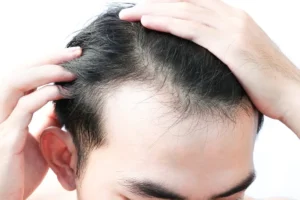
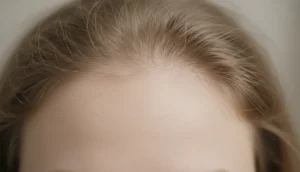
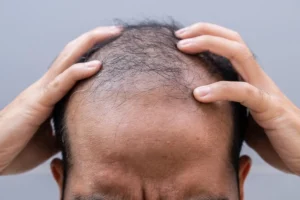
Many people notice that their big hairline makes their forehead appear larger and wonder whether it signals the start of hair loss. A big hairline is often a natural variation, but it can also be an early sign of a receding pattern that may progress over time. In this article we explore the underlying reasons, practical styling solutions, non‑surgical treatments, and when a surgical approach such as a hair transplant is the most effective answer.
According to dermatology studies, up to 30 % of men and 15 % of women report concerns about a wide forehead or high hairline before the age of 30. This early awareness can lead to proactive decisions that preserve confidence and appearance. Whether you have a naturally high hairline, a “big forehead” due to genetics, or a subtle recession, understanding the difference is key to choosing the right plan.
We will walk through how to identify the cause of your big hairline, compare it with a receding hairline, suggest flattering haircuts, review medical options like minoxidil and finasteride, and outline the benefits of advanced transplant techniques offered by Gold City Hair.
What Causes a Big Hairline?
A big hairline can stem from several factors that are often intertwined. Recognizing these origins helps you decide whether you need a simple styling adjustment or a more comprehensive treatment.
Genetics and Hormonal Influences
Family history plays a major role. If your parents or close relatives have a high hairline, you are more likely to inherit the trait. Hormonal fluctuations, especially elevated dihydrotestosterone (DHT), can also push the hairline upward, blurring the line between a naturally big hairline and early receding hairline development.
Age‑Related Changes
As we age, skin elasticity diminishes and the scalp may lose volume, making the hairline appear higher. This is especially common after the mid‑30s and can be mistaken for a receding pattern.
Trauma or Medical Conditions
Scalp injuries, certain skin disorders, and thyroid imbalances can cause localized hair loss that expands the forehead area.
- Genetic predisposition
- Hormonal shifts (DHT levels)
- Age‑related skin changes
- Scalp trauma or medical issues
How to Differentiate Between a Big Hairline and a Receding Hairline
Distinguishing a naturally big hairline from a receding one is essential before deciding on treatment. While both may present a larger forehead, the progression patterns differ.
Key Visual Indicators
Observe the hairline over a few months. A stable high line suggests a big hairline, whereas a gradual backward shift, especially at the temples, points to recession.
| Feature | Big Hairline | Receding Hairline |
|---|---|---|
| Shape | Uniform, often straight | Irregular, “M‑shaped” or widow’s peak |
| Change Over Time | Little to no change | Noticeable backward movement |
| Hair Density at Temples | Consistent density | Thinning or bald patches |
Other clues include the presence of a “widow’s peak” and whether the hairline recedes more on one side than the other. If you notice a “M‑shaped hairline” forming, it likely indicates early recession rather than a permanent big forehead hairline.
When in doubt, a professional scalp examination can clarify the diagnosis and recommend appropriate steps.
Styling Tips and Haircuts That Complement a Big Hairline
Even without medical intervention, smart styling can balance a big hairline and reduce the visual impact of a large forehead.
Haircut Strategies
Choosing the right cut creates the illusion of a lower hairline. Below are popular options that work well for both men and women.
- Side‑swept bangs: Softens the forehead and draws attention away from the hairline.
- Layered medium length: Adds volume around the crown, making the hairline less prominent.
- Textured crop (buzz haircut receding hairline style): A short, textured cut can mask a high hairline by adding density.
- Fringe with volume: Especially effective for women with a big forehead hairline.
- Undercut with longer top: Keeps the sides short while allowing the top to be styled forward.
When selecting a style, consider your face shape. For example, a round face benefits from height on top, whereas a square face looks balanced with softer side layers.
Regular trims every 4–6 weeks keep the shape fresh and prevent the hairline from appearing even higher due to split ends.
Non‑Surgical Treatments to Reduce the Appearance of a Big Hairline
When styling alone isn’t enough, several non‑invasive options can improve hair density and make the hairline appear lower.
Topical and Oral Medications
Minoxidil (Rogaine) and finasteride are the most studied treatments for hairline concerns. Minoxidil stimulates follicle activity, while finasteride blocks DHT conversion, slowing recession.
Platelet‑Rich Plasma (PRP) Therapy
PRP involves injecting concentrated platelets from your own blood into the scalp to promote growth. It’s often used alongside minoxidil for synergistic effects.
Low‑Level Laser Therapy (LLLT)
Laser caps and combs emit red light that can increase cellular metabolism in hair follicles, leading to modest thickening.
| Treatment | How It Works | Typical Results | Time to See Change |
|---|---|---|---|
| Minoxidil 5% | Topical vasodilator | Increased density, up to 10 % improvement | 3–6 months |
| Finasteride 1 mg | DHT blocker (oral) | Stabilizes loss, modest regrowth | 6–12 months |
| PRP Therapy | Platelet‑derived growth factors | Thicker hair, improved texture | 2–4 months |
| LLLT | Red‑light photobiomodulation | Gradual thickening | 3–6 months |
While these methods can improve the look of a big hairline, they work best when the underlying cause is not severe recession. Consistency is crucial; discontinuing treatment often leads to reversal of gains.
When Surgical Restoration Is the Best Option
If you have confirmed recession, significant thinning, or wish a permanent reduction of a big hairline, surgical hair restoration offers the most reliable outcome.
FUE and DHI Techniques
Gold City Hair specializes in Follicular Unit Extraction (FUE) and Direct Hair Implantation (DHI). Both methods transplant individual follicles from a donor area (usually the back of the head) to the frontal zone, creating a natural‑looking hairline.
What to Expect
- Consultation: A thorough assessment of hair density, scalp health, and aesthetic goals.
- Planning: Designing a customized hairline that matches your facial proportions.
- Extraction: Using micro‑punch tools to harvest grafts without linear scarring.
- Implantation: Precise placement of grafts at the desired angle and density.
- Recovery: Minimal downtime; most patients resume normal activities within a week.
Results typically become visible after 3–4 months, with full maturation around 12–18 months. The procedure can effectively lower a high hairline, creating a balanced forehead and boosting confidence.
Choosing a reputable clinic ensures that the transplanted hairline follows natural growth patterns, avoiding the “pluggy” look sometimes associated with older techniques.
Why Choose Gold City Hair for Your Hairline Restoration
Gold City Hair has been delivering personalized hair restoration solutions since 2017. Our team combines extensive experience in FUE, DHI, and eyebrow/beard transplants with a transparent, patient‑focused approach. We tailor each plan to your unique facial structure, ensuring a natural‑looking result that respects your aesthetic goals. With state‑of‑the‑art facilities in Turkey and a commitment to safety, we provide a reliable path to a confident, balanced hairline.
Ready to transform your big hairline into a confident look? Contact Gold City Hair today to schedule your free, no‑obligation consultation and discover the best personalized solution for you.
FAQ
What causes a big hairline?
A big hairline can be caused by genetics, hormonal changes, age‑related skin elasticity loss, scalp trauma, or medical conditions.
How can I tell if my big hairline is actually receding?
Observe the hairline over several months; a stable line suggests a natural big hairline, while gradual backward movement indicates recession.
What styling options can hide a big hairline?
Side‑swept bangs, layered cuts, textured crops, fringe with volume, and undercuts with longer tops are effective styling solutions.
Are non‑surgical treatments effective for a big hairline?
Yes, topical minoxidil, oral finasteride, PRP therapy, and low‑level laser therapy can improve density and lower the visual height of a hairline.
When is surgical hair restoration the best choice for a big hairline?
Surgery is ideal when there is confirmed recession, significant thinning, or a desire for a permanent, natural‑looking lower hairline.