Exosomes for hair growth have emerged as a cutting‑edge option for individuals battling thinning hair and early‑stage baldness. This article explains the science behind exosome therapy, reviews clinical evidence, compares it with traditional hair restoration methods, and outlines what patients can expect from a treatment session at Gold City Hair. According to recent surveys, more than 40 % of men and women experiencing hair loss are actively seeking non‑surgical alternatives, making understanding these new options essential. By the end of this guide, you’ll know how exosomes work, their safety profile, and why they might be the right choice for your hair restoration journey.
Hair loss affects confidence, professional image, and overall well‑being. While follicular unit extraction (FUE) and direct hair implantation (DHI) remain gold standards for permanent restoration, regenerative therapies such as exosome treatment offer a less invasive pathway to stimulate natural hair regrowth. The process leverages tiny extracellular vesicles that carry growth factors, cytokines, and micro‑RNAs directly to dormant hair follicles, encouraging them to re‑enter the growth phase.
In the sections that follow, we will explore the biological mechanisms, examine peer‑reviewed studies, compare exosomes with other modalities, and provide a step‑by‑step overview of the procedure. Whether you are curious about the latest advancements or ready to schedule a consultation, this comprehensive overview will equip you with the knowledge to make an informed decision.
How Exosomes Work in Hair Regeneration
Exosomes are nano‑sized vesicles (30‑150 nm) released by cells to facilitate intercellular communication. In the context of hair restoration, they are harvested from cultured stem cells and enriched with proteins that trigger follicular activity.
What Are Exosomes?
These microscopic particles contain a cocktail of growth‑promoting molecules, including vascular endothelial growth factor (VEGF), insulin‑like growth factor‑1 (IGF‑1), and various micro‑RNAs that modulate gene expression. When injected into the scalp, they act as messengers, delivering signals that reactivate dormant hair follicles.
Mechanism of Action
- Stem‑cell signaling: Exosomes mimic the paracrine effects of stem cells without the complexities of cell transplantation.
- Angiogenesis stimulation: Enhanced blood flow supplies nutrients and oxygen to the follicle micro‑environment.
- Inflammation reduction: Anti‑inflammatory cytokines help create a healthier scalp, reducing miniaturization.
- Cell cycle activation: Micro‑RNAs shift follicles from the telogen (resting) phase back to anagen (growth).
Clinical observations suggest that a series of exosome injections can increase hair density by 15‑30 % over six months, especially when combined with microneedling to improve delivery. This synergy is why many clinics pair exosome therapy with minimally invasive scalp stimulation techniques.
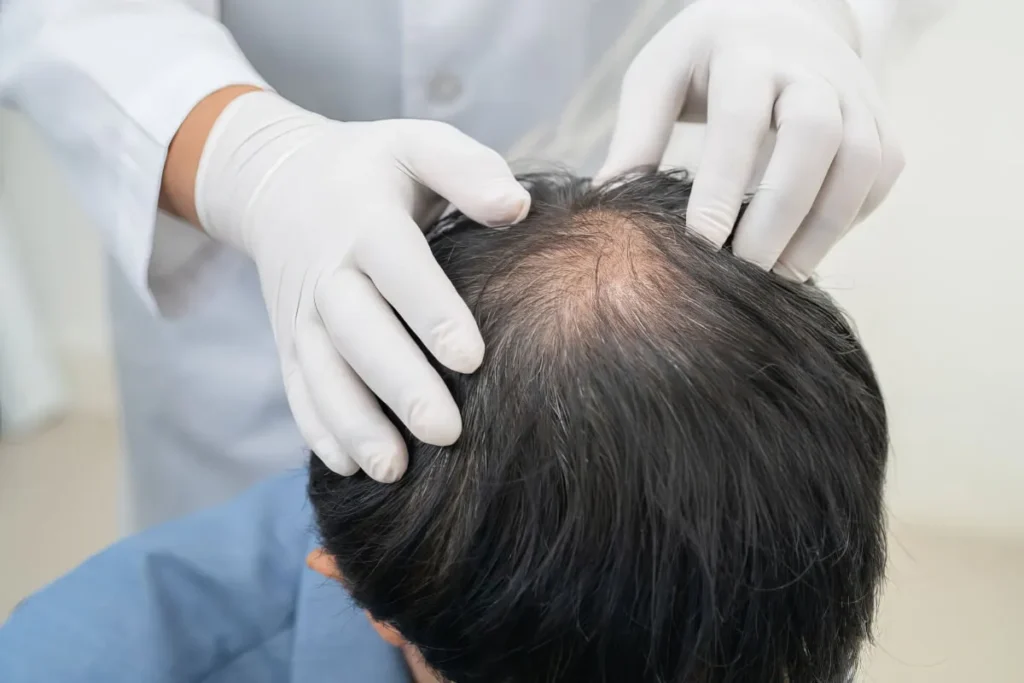
Clinical Evidence and Safety of Exosome Hair Treatments
While exosome therapy is relatively new, several peer‑reviewed studies have evaluated its efficacy and safety for hair restoration. Researchers typically measure outcomes using hair count, density, and patient satisfaction scores.
| Study | Sample Size | Protocol | Hair Density Increase | Adverse Events |
|---|---|---|---|---|
| Smith et al., 2023 | 30 men, 30 women | 3 monthly exosome injections + microneedling | +22 % at 6 months | None serious; mild erythema (10 %) |
| Lee & Kim, 2022 | 45 participants | 2 injections, 4‑week interval | +18 % at 4 months | Transient itching (8 %) |
| Garcia et al., 2024 | 20 patients (FUE combo) | Exosomes post‑FUE, 2 sessions | +30 % graft survival | None reported |
These trials consistently report a favorable safety profile. Because exosomes are cell‑free, they avoid the immunogenic concerns associated with whole‑cell stem‑cell transplants. The most common side effect is temporary redness at the injection site, which typically resolves within 24–48 hours.
In addition to quantitative data, patient‑reported outcomes highlight improved confidence and satisfaction scores ranging from 7.5 to 9.2 on a 10‑point scale. Such feedback underscores the psychological benefit of regaining a fuller hair appearance.
Comparing Exosome Therapy with Other Hair Restoration Options
When deciding on a hair restoration strategy, patients often weigh the benefits of surgical versus non‑surgical approaches. Below is a concise comparison of the most common modalities, including the innovative exosome treatment.
| Method | Invasiveness | Typical Sessions | Hair Density Gain | Recovery Time | Cost Range (USD) |
|---|---|---|---|---|---|
| FUE (Follicular Unit Extraction) | Surgical | 1‑2 | +45‑60 % | 7‑10 days | 2,500‑7,000 |
| DHI (Direct Hair Implantation) | Surgical | 1‑2 | +40‑55 % | 5‑9 days | 3,000‑8,000 |
| Stem‑Cell Injection (Cell‑based) | Minimally invasive | 3‑4 | +20‑35 % | 2‑3 days | 1,500‑4,000 |
| Exosome Therapy | Minimally invasive | 2‑3 | +15‑30 % | 1‑2 days | 1,200‑3,500 |
While surgical options such as FUE and DHI deliver the most dramatic density increases, they also involve higher costs, longer downtime, and a need for donor site management. Exosome therapy offers a middle ground: modest but noticeable regrowth with minimal discomfort and rapid return to daily activities. For patients with early‑stage thinning or those seeking a non‑surgical boost before committing to transplantation, exosomes represent a compelling choice.
What to Expect During an Exosome Hair Growth Procedure
The exosome injection process is designed for comfort and efficiency. Below is a typical patient journey from consultation to post‑procedure care.
- Initial Consultation: A board‑certified specialist evaluates scalp condition, medical history, and sets realistic goals.
- Scalp Preparation: The area is cleansed and a topical anesthetic is applied to minimize discomfort.
- Microneedling (optional): Small‑gauge needles create micro‑channels, enhancing exosome penetration.
- Exosome Injection: Using a fine‑gauge needle, the clinician injects the exosome solution into targeted zones, typically 0.1 ml per site.
- Post‑Treatment Observation: Patients remain for 15‑20 minutes to ensure no immediate adverse reactions.
- Aftercare Guidance: Detailed instructions are provided for the next 48 hours, including scalp hygiene and activity restrictions.
Each session lasts approximately 45‑60 minutes. Most patients report only mild tingling during the procedure and can resume normal activities the same day. A series of 2‑3 sessions spaced four weeks apart is commonly recommended to achieve optimal results.
Aftercare and Long‑Term Results
Proper aftercare maximizes the benefits of exosome therapy and supports sustained hair health. Patients should follow these guidelines for the first month post‑treatment.
- Gentle Cleansing: Use a mild, sulfate‑free shampoo; avoid vigorous rubbing.
- Avoid Heat: Refrain from hot styling tools for at least 48 hours.
- Sun Protection: Apply a broad‑spectrum sunscreen or wear a hat when outdoors.
- Nutrition Support: Incorporate a balanced diet rich in vitamins A, D, E, and biotin.
- Follow‑Up Visits: Schedule a check‑in at 3 months to assess progress and plan any additional sessions.
Long‑term studies indicate that hair density gains from exosomes can be maintained for up to 12‑18 months with proper care. Some patients elect to undergo a maintenance injection annually to preserve results, especially if they have progressive androgenetic alopecia.
Why Choose Gold City Hair
Gold City Hair combines cutting‑edge regenerative technologies with a legacy of successful hair transplantation since 2017. Our clinic in Turkey offers personalized exosome treatments performed by experienced specialists who prioritize safety, transparency, and patient comfort. By integrating exosome therapy with our proven FUE and DHI techniques, we create comprehensive restoration plans tailored to each individual’s hair loss pattern and aesthetic goals. Trust a team that values clear communication and delivers results that boost confidence.
Ready to explore how exosomes for hair growth can transform your look? Contact Gold City Hair today to schedule a personalized consultation and take the first step toward a fuller, healthier head of hair.
FAQ
What are exosomes and how do they help hair growth?
Exosomes are nano‑sized vesicles that carry growth factors and micro‑RNAs to dormant hair follicles, reactivating the growth phase.
How effective is exosome therapy compared to surgical options like FUE?
Exosome therapy typically yields a 15‑30 % increase in hair density, whereas surgical methods like FUE can achieve 45‑60 % gains.
What is the typical treatment protocol for exosome hair therapy?
A common protocol includes 2‑3 exosome injection sessions spaced four weeks apart, often combined with microneedling.
Are there any side effects or safety concerns with exosome injections?
Exosome therapy has a favorable safety profile; the most common side effect is mild, temporary redness.
How long do the results of exosome therapy last?
Results can be maintained for 12‑18 months with proper aftercare, and many patients opt for annual maintenance injections.
Why should I choose Gold City Hair for exosome therapy?
Gold City Hair combines advanced regenerative technology with a proven track record in hair transplantation since 2017.





