The red light hair comb has emerged as a popular at‑home device for people seeking to combat thinning hair without invasive procedures. By delivering low‑level red wavelengths directly to the scalp, this tool aims to activate cellular processes that support hair growth. In this article we explore the science behind the technology, practical usage tips, expected results, and how it fits into a broader hair‑restoration plan.
Hair loss affects more than 40 % of men and women by age 35, and many look for non‑surgical alternatives before considering a transplant. A recent survey found that 62 % of respondents were interested in light‑based therapies after learning about their potential to improve follicle health. Understanding whether a red light hair comb can deliver those benefits is essential for making an informed decision.
We will examine the underlying mechanism of photobiomodulation, compare the comb to clinic‑based red light panels, and provide a step‑by‑step guide for safe and effective use. Whether you are a newcomer to light therapy or already using a red light mask for skin, this guide will help you determine if a dedicated hair comb is the right addition to your routine.
How Red Light Therapy Stimulates Hair Follicles
Red light therapy, also known as low‑level laser therapy (LLLT), utilizes wavelengths typically between 630 nm and 660 nm to penetrate the scalp and reach the dermal papilla cells that regulate hair growth cycles. When these cells absorb photons, a cascade of biochemical events is triggered, including increased adenosine triphosphate (ATP) production, reduced oxidative stress, and activation of the transcription factor NF‑kB, which together promote the anagen (growth) phase of hair.
Key benefits reported in clinical studies include:
- Up to 30 % increase in hair density after 12 weeks of regular treatment.
- Improved scalp circulation, delivering more oxygen and nutrients to follicles.
- Reduced inflammation that can accelerate hair shedding.
Below is a simplified comparison of red light therapy delivered via a comb versus a traditional panel:
| Feature | Red Light Hair Comb | Clinic Red Light Panel |
|---|---|---|
| Portability | Handheld, battery‑operated | Stationary, requires power outlet |
| Treatment Time | 5‑10 minutes per session | 20‑30 minutes per session |
| Wavelength Range | 630 nm ± 10 nm | 630‑660 nm |
| Cost (Initial) | $150‑$300 | $1,000‑$3,000 |
While the comb offers convenience, the intensity (measured in milliwatts per square centimeter) is generally lower than that of a professional panel. Nonetheless, consistent daily use can accumulate a therapeutic dose comparable to weekly clinic visits.
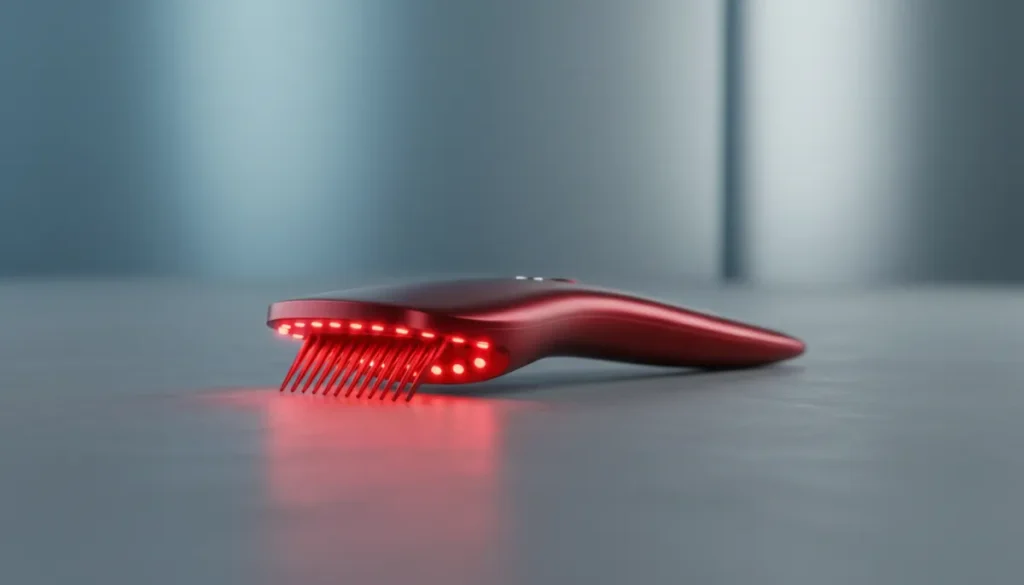
Choosing the Right Red Light Hair Comb for Your Needs
Not all red light hair combs are created equal. When selecting a device, consider the following criteria to ensure safety and efficacy:
- Wavelength Accuracy: Verify that the product specifies a wavelength within the 630‑660 nm range, which is optimal for stimulating hair follicles.
- Power Density: Look for a power output of at least 5 mW/cm²; lower values may not deliver sufficient energy.
- Battery Life: Devices with rechargeable lithium‑ion batteries lasting 20 + sessions reduce downtime.
- Ergonomic Design: A comb with flexible bristles and a comfortable grip encourages regular use.
- Safety Certifications: CE, FCC, or FDA clearance indicates compliance with electromagnetic safety standards.
Below is a quick reference table summarizing popular models (as of 2026) and their key specifications:
| Model | Wavelength | Power Density | Battery Life | Price |
|---|---|---|---|---|
| HairGlow Pro | 635 nm | 6 mW/cm² | 30 sessions | $199 |
| LaserLux Comb | 660 nm | 5.5 mW/cm² | 25 sessions | $249 |
| VitaBeam Lite | 630 nm | 4 mW/cm² | 20 sessions | $149 |
Choosing a device with verified specifications helps you achieve consistent results while minimizing the risk of skin irritation. Always read the user manual for recommended session length and frequency.
Integrating Red Light Comb Use with Existing Hair‑Restoration Strategies
For many patients, the red light hair comb is not a standalone solution but part of a comprehensive regimen that may include topical minoxidil, nutritional supplements, and, in some cases, surgical options such as FUE or DHI transplants. Combining therapies can amplify results because each approach targets a different aspect of follicle health.
Here’s a suggested weekly schedule that aligns the comb with other treatments:
- Monday, Wednesday, Friday: 5‑minute red light comb session on a clean, dry scalp.
- Tuesday, Thursday: Apply minoxidil (2 mL) after the scalp has cooled for at least 30 minutes.
- Saturday: Take a biotin‑rich supplement and perform a gentle scalp massage.
- Sunday: Rest day – allow the scalp to recover.
Clinical observations suggest that patients who maintain this routine for at least three months notice a measurable increase in hair thickness. It is crucial to avoid overlapping applications; for instance, do not use the comb immediately after applying topical solutions, as the light may alter absorption rates.
Consulting with a qualified hair restoration specialist, such as those at Gold City Hair, can help you tailor the plan to your specific pattern of hair loss, ensuring that the red light comb complements any ongoing medical or surgical treatments.
Potential Side Effects and Safety Considerations
Red light therapy is generally regarded as safe when used according to manufacturer guidelines. The most common mild side effects include temporary scalp redness, a warm sensation during treatment, or mild itching. These effects typically resolve within a few hours.
More serious concerns, such as the theoretical risk of DNA damage, have not been substantiated in peer‑reviewed studies. The wavelengths used in hair combs are far below the ultraviolet spectrum, which is the primary driver of phototoxicity. Nonetheless, users with photosensitive conditions or those taking photosensitizing medications should consult a dermatologist before beginning treatment.
Key safety tips:
- Do not use the comb on broken or inflamed skin.
- Keep the device at the recommended distance (usually 0.5‑1 cm) from the scalp.
- Limit sessions to the suggested duration (5‑10 minutes) to avoid over‑exposure.
- Store the comb in a cool, dry place and avoid exposure to water unless the device is rated as waterproof.
By adhering to these guidelines, most users experience a comfortable, hassle‑free therapy that can be incorporated into daily grooming routines.
Evaluating Results: What to Expect and When to See Change
Patience is essential when assessing the effectiveness of a red light hair comb. Most clinical protocols recommend a minimum of 12 weeks of consistent use before measurable changes become apparent. Early indicators may include reduced shedding, a feeling of increased scalp vitality, and subtle thickening of existing hairs.
Objective evaluation methods include:
- Phototrichogram: High‑resolution photographs taken at baseline and after 12 weeks to quantify hair density.
- Hair Pull Test: A simple in‑office test where a small bundle of hair is gently tugged to assess shedding.
- Patient‑Reported Outcomes: Surveys rating confidence and perceived improvement.
Below is a typical timeline of progress reported by users:
| Week | Observed Changes |
|---|---|
| 1‑4 | Scalp warmth, no visible change. |
| 5‑8 | Reduced daily shedding, hair feels stronger. |
| 9‑12 | Noticeable increase in hair thickness, early signs of new growth. |
| 13‑24 | Continued density improvement, visible new strands in previously bald areas. |
If after 16 weeks you see no improvement, it may be advisable to reassess your overall hair‑loss strategy with a professional. Combining the comb with proven medical treatments can often bridge the gap between modest and significant regrowth.
Why Choose Gold City Hair
Gold City Hair has been a trusted leader in hair restoration since 2017, offering personalized treatment plans that blend surgical expertise with the latest non‑invasive technologies. Our team of experienced surgeons and clinicians stays up‑to‑date with advances such as red light therapy, ensuring that every patient receives evidence‑based recommendations. By choosing Gold City Hair, you benefit from transparent communication, individualized care, and a commitment to achieving natural‑looking results that boost confidence.
Ready to explore whether a red light hair comb can complement your hair‑restoration journey? Contact Gold City Hair today to schedule a free consultation and receive a personalized plan that aligns with your goals.
FAQ
What is a red light hair comb and how does it work?
A red light hair comb is a handheld device that emits low‑level red wavelengths (630‑660 nm) to the scalp, stimulating cellular activity that promotes hair growth.
How does red light therapy differ from traditional laser panels?
Red light combs are portable, lower‑cost, and require shorter treatment times, while clinic panels are stationary, more powerful, and typically used for longer sessions.
What should I look for when buying a red light hair comb?
Check wavelength (630‑660 nm), power density (≥5 mW/cm²), battery life, ergonomic design, and safety certifications like CE, FCC, or FDA clearance.
Can I combine a red light hair comb with other hair‑loss treatments?
Yes, it can be integrated with minoxidil, supplements, and even surgical options, but timing must be managed to avoid interference.
What side effects might I experience with a red light hair comb?
Most users report mild scalp redness, warmth, or itching that resolves within hours; serious adverse effects are rare.
How long does it take to see results from using a red light hair comb?
Visible improvements typically appear after 12‑16 weeks of consistent daily use, with early signs like reduced shedding appearing sooner.





