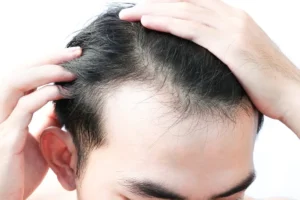
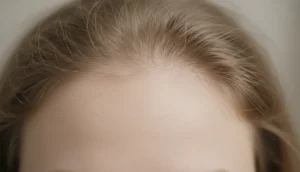
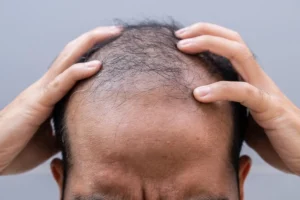
When it comes to addressing thinning hair, knowing the different hair baldness types is the first step toward an effective solution. Whether you notice a receding hairline, a bald spot, or overall thinning, each pattern has its own cause and treatment pathway. In this article we break down the most common classifications, explain why they occur, and outline what you can expect from modern restoration techniques.
Hair loss affects millions worldwide, with studies showing that up to 40% of men and 30% of women experience noticeable thinning by age 35. This prevalence makes it essential to differentiate between temporary shedding and progressive baldness, as the appropriate intervention varies dramatically.
We’ll explore the science behind each type, discuss diagnostic tools such as the Norwood scale, and provide practical guidance on next steps—whether that means lifestyle adjustments, medical therapy, or a hair transplant at Gold City Hair.
Common Classifications of Hair Baldness
Clinicians typically group hair loss into several distinct categories based on pattern, underlying cause, and progression speed. Understanding these classifications helps both patients and doctors choose the right diagnostic tests and treatment plans.
| Type | Typical Pattern | Common Causes | Gender Prevalence |
|---|---|---|---|
| Androgenetic alopecia | Gradual thinning on the crown and frontal hairline | Genetic sensitivity to dihydrotestosterone (DHT) | Both, more severe in men |
| Alopecia areata | Sudden round patches of hair loss | Autoimmune attack on hair follicles | Both, often in younger adults |
| Traction alopecia | Hair loss along the hairline or temples | Chronic tension from tight hairstyles | More common in women |
| Telogen effluvium | Diffuse shedding across the scalp | Stress, hormonal shifts, medication | Both |
| Scarring alopecia | Permanent loss with scar tissue | Inflammatory skin conditions | Both |
These five categories cover the majority of cases you’ll encounter in a clinic. While some, like androgenetic alopecia, are progressive and hereditary, others such as telogen effluvium are often reversible once the trigger is removed.

Androgenetic Alopecia: Male and Female Patterns
Androgenetic alopecia—often called male or female pattern baldness—is the most prevalent form of permanent hair loss. In men, the condition typically follows the Norwood scale, progressing from a receding hairline (stage I) to extensive crown thinning (stage VII). Women experience a diffuse thinning that usually spares the frontal hairline, described by the Ludwig classification.
Key characteristics include:
- Gradual miniaturization of hair follicles.
- Increased sensitivity of follicles to DHT.
- Family history as a strong risk factor.
Medical options such as finasteride, minoxidil, and low‑level laser therapy can slow progression, but many patients eventually opt for surgical restoration. Understanding the stage of baldness—often visualized with the Norwood or Ludwig scales—helps surgeons plan the density and placement of grafts for a natural look.
Alopecia Areata and Other Autoimmune Forms
Alopecia areata is an autoimmune condition where the body mistakenly attacks hair follicles, leading to sudden, often circular patches of hair loss. Unlike androgenetic alopecia, the hair loss can be rapid and may affect any part of the scalp or body, including eyebrows and beard.
Typical signs include:
- Well‑defined, smooth bald patches.
- Exclamation‑point hairs at the margin of lesions.
- Possible nail changes such as pitting.
While the exact trigger remains unclear, stress and genetic predisposition play roles. Treatment options range from topical corticosteroids and intralesional injections to systemic immunotherapy for extensive cases. Some patients experience spontaneous regrowth, but others may progress to alopecia totalis (complete scalp loss) or alopecia universalis (total body hair loss).
Traction Alopecia and Lifestyle‑Related Hair Loss
Traction alopecia results from chronic tension on the hair shaft, commonly caused by tight braids, ponytails, or extensions. Over time, the repeated pulling damages the follicle, leading to permanent loss if the stress continues.
Key risk factors include:
- Frequent use of tight hairstyles.
- Hair accessories that pull at the scalp.
- Occupational or cultural practices involving headgear.
The early stage is often reversible; stopping the tension allows follicles to recover. However, once scarring develops, surgical transplantation may be the only viable option. Educating patients about gentle styling and regular scalp breaks can prevent progression.
Telogen Effluvium and Temporary Thinning
Telogen effluvium is a temporary, diffuse shedding that often follows a physiological stressor such as major surgery, severe illness, drastic weight loss, or hormonal changes. The hair follicles prematurely enter the telogen (resting) phase, resulting in noticeable shedding about two to three months after the trigger.
Typical presentation includes:
- Sudden increase in hair shedding during washing or brushing.
- Even thinning across the entire scalp, not limited to a specific area.
- Absence of scarring or permanent follicle damage.
Because the follicles remain intact, regrowth usually occurs within six to nine months once the underlying cause is resolved. Management focuses on identifying and eliminating the trigger, supporting scalp health with nutrition, and, when appropriate, using mild topical agents to promote a healthy growth cycle.
Diagnosing and Choosing the Right Treatment
Accurate diagnosis is essential for selecting the most effective therapy. Dermatologists and hair restoration surgeons employ a combination of visual assessment, patient history, and diagnostic tools.
| Diagnostic Tool | Purpose | Typical Findings |
|---|---|---|
| Scalp Examination | Identify pattern and severity | Pattern consistent with androgenetic alopecia, patchy loss, etc. |
| Trichoscopy | Magnified view of follicles | Miniaturized hairs, exclamation‑point hairs, inflammation |
| Blood Tests | Rule out hormonal or nutritional causes | Thyroid levels, iron, ferritin, DHT |
| Biopsy | Confirm scarring vs. non‑scarring alopecia | Inflammatory infiltrate, follicular fibrosis |
Once the type is confirmed, treatment options range from medical therapy (e.g., minoxidil, finasteride) to procedural interventions like platelet‑rich plasma (PRP) or hair transplantation techniques such as FUE and DHI. For patients with reversible conditions, addressing the root cause often restores density without surgery.
Why Choose Gold City Hair
Gold City Hair has been a trusted hair transplant center in Turkey since 2017, offering personalized care and transparent communication throughout every step of the journey. Our experienced team specializes in advanced techniques like FUE and DHI, ensuring natural‑looking results for all hair baldness types. We combine state‑of‑the‑art technology with a patient‑first approach, helping you regain confidence and a fuller head of hair.
Ready to take the next step toward restoring your hair? Contact Gold City Hair today to schedule a personalized consultation and discover the most effective solution for your specific baldness type.
FAQ
What are the main types of hair baldness?
The primary types are androgenetic alopecia, alopecia areata, traction alopecia, telogen effluvium, and scarring alopecia.
How does androgenetic alopecia differ between men and women?
Men typically show a receding hairline and crown thinning (Norwood scale), while women experience diffuse thinning that spares the frontal hairline (Ludwig classification).
Can telogen effluvium be reversed?
Yes, because the hair follicles remain intact, regrowth typically occurs once the underlying trigger is removed.
What diagnostic tools are used to identify hair loss types?
Clinicians use scalp examination, trichoscopy, blood tests, and sometimes a biopsy to determine the pattern and cause of hair loss.
When is surgical hair restoration recommended?
Surgery is advised for permanent hair loss types like androgenetic alopecia or scarring alopecia when medical therapy is insufficient.
Why choose Gold City Hair for hair restoration?
Gold City Hair offers experienced surgeons, advanced FUE and DHI techniques, and personalized care in Turkey since 2017.