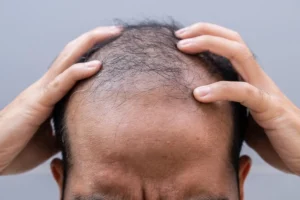
Many people wonder what it really means to be going bald and why it happens at different ages. Whether you notice a thinning crown, a receding hairline, or an overall loss of density, the journey from a full head of hair to a balding one can feel sudden and unsettling. This article breaks down the science behind hair loss, highlights early warning signs, and outlines both medical and lifestyle strategies to slow or reverse the process. By the end, you’ll have a clear roadmap for taking control of your hair health and confidence.
According to global research, roughly 40 % of men and 20 % of women experience noticeable hair thinning by age 35, and the numbers rise sharply after the age of 50. Understanding the underlying mechanisms—such as genetics, hormonal shifts, and environmental stressors—helps you make informed decisions about treatment options before the condition progresses.
We’ll explore the most common triggers, how to differentiate between temporary shedding and permanent loss, and which professional interventions—like the advanced FUE and DHI techniques offered by Gold City Hair—deliver lasting results. Let’s start by uncovering the root causes of going bald.
What Triggers the Process of Going Bald?
The first step in addressing hair loss is recognizing the multitude of factors that can set the scalp on a path toward thinning. While genetics play a dominant role, several other contributors can accelerate the condition.
Genetic Predisposition
Androgenetic alopecia, often referred to as male or female pattern baldness, is the most prevalent form of hair loss. It is driven by inherited sensitivity of hair follicles to dihydrotestosterone (DHT), a hormone derived from testosterone. Individuals with a family history of early balding are more likely to experience the same pattern.
Hormonal Imbalances
Beyond DHT, fluctuations in thyroid hormones, estrogen, and progesterone can affect hair growth cycles. Conditions such as hypothyroidism or polycystic ovary syndrome (PCOS) often manifest with diffuse thinning, making it essential to rule out endocrine issues.
Medical Conditions and Medications
Autoimmune disorders like alopecia areata cause sudden patchy hair loss, while chronic illnesses, chemotherapy, and certain medications (e.g., anticoagulants, beta‑blockers) can trigger temporary shedding.
Environmental and Lifestyle Factors
- Stress: Prolonged psychological stress can push hair follicles into the telogen (resting) phase, leading to telogen effluvium.
- Nutrition: Deficiencies in iron, zinc, vitamin D, and protein undermine keratin production.
- Hair Practices: Tight hairstyles, frequent heat styling, and harsh chemicals contribute to traction alopecia and follicle damage.

Understanding these triggers equips you to target the right interventions, whether they involve lifestyle adjustments, medical therapy, or surgical restoration.
Recognizing Early Signs and Patterns of Hair Loss
Detecting the first signs of going bald can make a significant difference in treatment success. Early identification allows for less invasive options and improves the likelihood of regaining lost density.
Typical Patterns
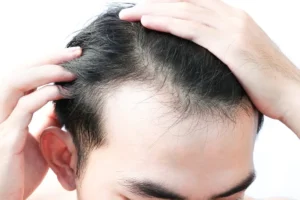
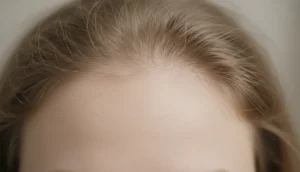
Patterned hair loss follows predictable routes. In men, the classic “M” shape receding hairline and thinning at the crown are hallmark signs. Women usually experience diffuse thinning over the top of the scalp while maintaining the frontal hairline.
Diagnostic Tools
| Tool | Purpose | What It Reveals |
|---|---|---|
| Scalp Examination | Visual assessment | Pattern, density, and miniaturization of follicles |
| Trichoscopy | Dermatoscopic imaging | Follicular health, inflammation, and early miniaturization |
| Blood Tests | Laboratory analysis | Hormone levels, iron status, thyroid function |
When to Seek Professional Help
If you notice any of the following, schedule a consultation:
- Visible recession of the hairline or widening part.
- Excessive shedding during washing or brushing (more than 100 hairs per day).
- Patchy bald spots that appear suddenly.
- Accompanying scalp itching, redness, or pain.
Early detection not only clarifies the underlying cause but also expands the range of effective treatments, from topical solutions to advanced hair transplantation.
Medical and Non‑Surgical Options to Slow or Reverse Baldness
Once the cause of going bald is identified, a spectrum of interventions can be tailored to your specific needs. These range from prescription medications to cutting‑edge surgical techniques.
Topical and Oral Medications
Two FDA‑approved drugs dominate the medical landscape:
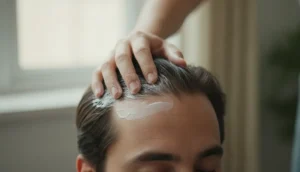
- Minoxidil (2 % or 5 % solution) stimulates follicular blood flow and prolongs the anagen phase, making it effective for both men and women.
- Finasteride (1 mg daily) inhibits the conversion of testosterone to DHT, slowing follicle miniaturization in androgenetic alopecia.
Both treatments require consistent use for at least 3–6 months before visible improvement.
Low‑Level Laser Therapy (LLLT)
LLLT devices emit red light that promotes cellular metabolism in hair follicles. Clinical studies suggest modest gains in hair density after regular sessions over 6 months.
Surgical Hair Restoration
For permanent, natural‑looking results, hair transplantation remains the gold standard. Gold City Hair specializes in:
- Follicular Unit Extraction (FUE) – Individual follicles are harvested and implanted with minimal scarring.
- Direct Hair Implantation (DHI) – A refined method using a patented implanter pen for precise placement.
- Eyebrow & Beard Transplants – Tailored solutions for facial hair restoration.
These procedures are performed by experienced surgeons in Istanbul, offering high graft survival rates and natural hairline design.
Emerging Therapies
Platelet‑rich plasma (PRP) injections and stem‑cell‑derived treatments are gaining traction. While promising, they are best considered adjuncts to proven methods.
Choosing the right combination of treatments depends on the stage of hair loss, budget, and personal preferences. A qualified specialist can develop a customized plan that maximizes results while minimizing downtime.
Lifestyle Changes and Home Remedies That Support Hair Health
While medical interventions are powerful, everyday habits play a crucial role in maintaining a healthy scalp and encouraging regrowth.
Nutrition for Strong Hair
Hair is primarily made of keratin, a protein that requires specific nutrients:
| Nutrient | Key Food Sources | Benefit for Hair |
|---|---|---|
| Protein | Lean meat, legumes, eggs | Provides building blocks for keratin |
| Iron | Spinach, red meat, lentils | Prevents anemia‑related shedding |
| Omega‑3 Fatty Acids | Salmon, walnuts, flaxseed | Reduces inflammation, supports scalp health |
| Biotin (Vitamin B7) | Egg yolks, nuts, sweet potatoes | Improves keratin structure |
Scalp Care Practices
- Gentle cleansing with sulfate‑free shampoos to avoid stripping natural oils.
- Periodic scalp massage to enhance blood circulation.
- Avoiding excessive heat and tight hairstyles that cause traction alopecia.
Stress Management
Chronic stress elevates cortisol, which can disrupt the hair growth cycle. Incorporate relaxation techniques such as meditation, yoga, or regular exercise to mitigate this effect.
Adopting these lifestyle adjustments can complement clinical treatments, creating a holistic approach to combating going bald.
Choosing the Right Hair Restoration Clinic: What to Look For
When you decide to pursue a surgical solution, selecting a reputable clinic is essential for safety and optimal outcomes.
Key Criteria
- Accreditation and Experience – Verify that the clinic follows international medical standards and that surgeons have a proven track record.
- Technique Transparency – A trustworthy center will explain the differences between FUE, DHI, and other methods, helping you choose the best fit.
- Before‑and‑After Portfolio – Review real patient results, focusing on graft density, hairline design, and long‑term follow‑up.
- Patient Support – Comprehensive pre‑operative assessment, post‑operative care, and clear communication are hallmarks of quality service.
Why Gold City Hair Stands Out
Since 2017, Gold City Hair has combined cutting‑edge technology with personalized care. Their team of certified surgeons performs both FUE and DHI procedures in state‑of‑the‑art facilities in Turkey, offering competitive pricing without compromising quality. Transparent communication, individualized treatment plans, and a focus on natural results have earned them a strong reputation among international patients.
Choosing a clinic that aligns with these standards ensures you receive safe, effective, and lasting solutions to the challenges of going bald.
Why Choose Gold City Hair
Gold City Hair delivers a personalized, transparent experience for anyone seeking to restore their hair and confidence. With over six years of expertise, the clinic offers advanced FUE and DHI techniques performed by board‑certified surgeons. Patients benefit from comprehensive consultations, customized graft designs, and post‑procedure support that prioritizes natural‑looking results. By choosing Gold City Hair, you invest in a trusted partner dedicated to your aesthetic goals.
Ready to take the first step toward a fuller, healthier head of hair? Contact Gold City Hair today for a free, no‑obligation consultation and discover the best plan for your unique needs.
FAQ
What are the main causes of going bald?
Genetics, hormonal imbalances, medical conditions, medications, stress, nutrition deficiencies, and harsh hair practices can all trigger baldness.
How can I tell if my hair loss is temporary or permanent?
Temporary loss often appears as diffuse shedding and recovers with time, while permanent loss shows patterned thinning and miniaturized follicles.
What are the most effective medical treatments for hair loss?
FDA‑approved minoxidil and finasteride are the cornerstone treatments, often combined with lifestyle changes and laser therapy.
What is the difference between FUE and DHI hair transplantation?
FUE extracts individual follicles and implants them with tiny incisions, while DHI uses a patented implanter pen for direct placement without pre‑made channels.
Can lifestyle changes help prevent or reverse baldness?
Yes, proper nutrition, stress management, gentle scalp care, and avoiding damaging hair practices can support hair health and improve treatment outcomes.
When should I consult a specialist for hair loss?
Schedule a consultation if you notice a receding hairline, increased daily shedding, sudden bald patches, or scalp discomfort.