Alopecia areata in kids is an autoimmune condition that causes sudden, patchy hair loss on the scalp and sometimes other body areas. While the exact cause remains unclear, the condition can be distressing for both children and their families. This article explains what alopecia areata is, how to recognize its early signs, the most effective treatment approaches, and practical ways to support a child’s emotional well‑being throughout the journey.
According to pediatric dermatology studies, up to 2 % of children will experience some form of alopecia during their school years, and alopecia areata accounts for a significant portion of those cases. Early detection and a tailored care plan can dramatically improve outcomes and reduce the risk of long‑term hair loss.
We will explore the underlying mechanisms, diagnostic steps, medical and non‑medical therapies, and everyday strategies that empower families to manage the condition confidently. By the end of this guide, you’ll have a clear roadmap for navigating alopecia areata in kids and helping your child maintain self‑esteem.
What Is Alopecia Areata?
Alopecia areata is an autoimmune disorder in which the body’s immune system mistakenly attacks hair follicles, leading to rapid hair shedding. The condition can appear at any age, but it is most commonly diagnosed in children between 5 and 12 years old. While the exact trigger is still under investigation, genetic predisposition, environmental factors, and stress are frequently cited as contributors.
Key characteristics of alopecia areata include:
- Round or oval bald patches, often on the scalp.
- Exclamation‑mark hairs—short broken hairs at the edge of a bald spot.
- Possible involvement of eyebrows, eyelashes, beard (in boys), or body hair.
Although the condition is not painful or contagious, its visual impact can be profound, especially for children who are sensitive to peer perception.
| Feature | Typical Presentation | Notes for Parents |
|---|---|---|
| Onset Age | 5‑12 years (most common) | Early detection improves treatment response. |
| Pattern | Patchy, round spots | Can progress to larger areas or total scalp loss. |
| Progression | Variable; may resolve spontaneously | Regular monitoring is essential. |
Understanding the autoimmune nature of alopecia areata helps families appreciate why treatments often focus on modulating the immune response rather than simply “growing hair back.”
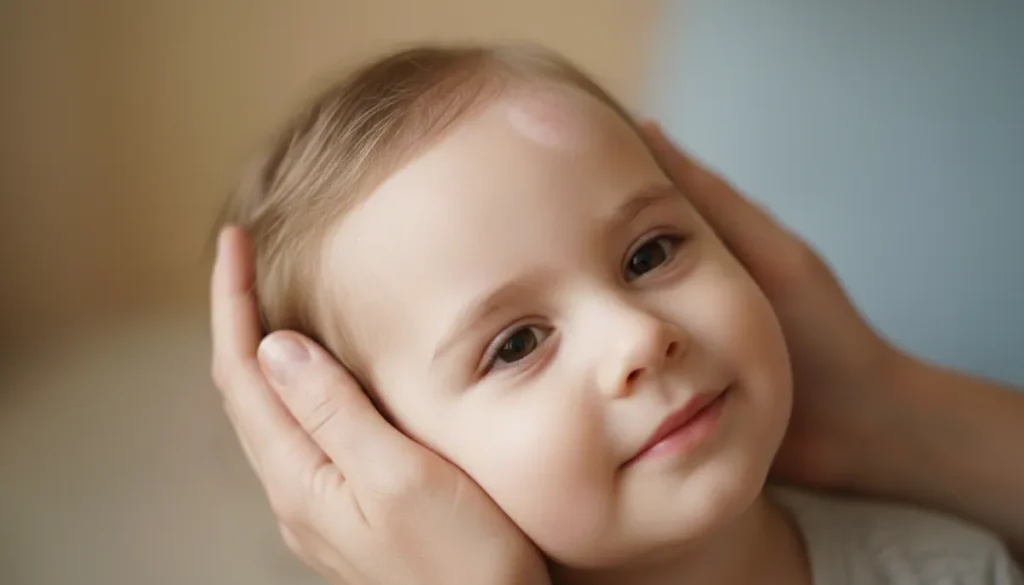
Recognizing the Signs in Children
Early identification of alopecia areata in kids can prevent unnecessary anxiety and enable prompt treatment. Parents should look for the following warning signs:
- Sudden appearance of smooth, round bald spots.
- Exclamation‑mark hairs at the border of the patch.
- Itching or mild tenderness in the affected area.
- Hair loss on eyebrows, eyelashes, or facial hair in boys.
Because hair loss can be mistaken for other conditions—such as tinea capitis (ringworm) or traction alopecia—consulting a pediatric dermatologist is crucial. The diagnostic process typically includes:
- Physical examination of the scalp and affected areas.
- Dermoscopy to visualize hair follicle health.
- Blood tests to rule out thyroid disorders or iron deficiency, which can mimic or exacerbate hair loss.
When a diagnosis of alopecia areata is confirmed, the dermatologist will classify the severity using the Alopecia Areata Severity Index (AASI), which guides treatment decisions. For children, the goal is to halt progression while minimizing side effects.
Treatment Options for Kids
Managing alopecia areata in kids requires a balanced approach that addresses the immune response, supports hair regrowth, and considers the child’s overall health. Treatment plans are individualized, but common options include:
Topical Corticosteroids
These are often the first line of therapy for mild to moderate cases. Potent steroids applied directly to the bald patches can reduce inflammation and stimulate hair follicles. Treatment duration typically ranges from 4 to 12 weeks, with periodic monitoring for skin thinning.
Intralesional Injections
For localized patches, dermatologists may inject a diluted corticosteroid directly into the scalp. This method delivers a higher concentration to the affected follicles and has shown higher success rates in children when performed by an experienced practitioner.
Topical Immunotherapy
Agents such as diphenylcyclopropenone (DPCP) or squaric acid dibutylester (SADBE) provoke a mild allergic reaction that can redirect the immune system away from attacking hair follicles. Although effective, this approach requires careful supervision and is usually reserved for refractory cases.
Systemic Treatments
In severe or rapidly spreading cases, oral corticosteroids or newer Janus kinase (JAK) inhibitors may be prescribed. These medications modulate the immune system more broadly but carry a higher risk of side effects, so they are used cautiously in pediatric patients.
Adjunctive Therapies
- Low‑level laser therapy (LLLT) to stimulate follicular activity.
- Biotin and zinc supplements if nutritional deficiencies are identified.
- Stress‑reduction techniques such as mindfulness, yoga, or counseling.
Below is a quick comparison of the most common treatment modalities for children:
| Treatment | Typical Use | Pros | Cons |
|---|---|---|---|
| Topical Steroids | Mild‑to‑moderate patches | Easy to apply, low systemic risk | Possible skin thinning |
| Intralesional Injections | Localized lesions | Higher efficacy than topical | Needles may cause discomfort |
| Topical Immunotherapy | Refractory cases | Can induce lasting remission | Requires frequent clinic visits |
| Systemic JAK Inhibitors | Severe or rapidly spreading | Promising results in trials | Potential systemic side effects |
Choosing the right treatment hinges on the child’s age, disease severity, and family preferences. A collaborative discussion with a pediatric dermatologist ensures that the chosen plan aligns with the child’s health goals.
Managing Emotional Impact and Support
Hair loss at a young age can affect self‑esteem, social interactions, and school performance. Children may experience embarrassment, bullying, or withdrawal, making emotional support as vital as medical treatment.
Effective strategies for families include:
- Open Communication: Encourage the child to express feelings about their hair loss without judgment.
- Peer Education: Work with teachers to foster an inclusive classroom environment.
- Support Groups: Connect with local or online communities of families dealing with alopecia.
- Professional Counseling: Child psychologists can provide coping tools and resilience training.
Wigs, headscarves, or turbans can be used temporarily to boost confidence while treatment progresses. Modern wig technology offers lightweight, breathable options that look natural and are comfortable for active children.
Parents should also monitor for signs of anxiety or depression, such as changes in appetite, sleep disturbances, or loss of interest in favorite activities. Early referral to a mental health professional can prevent long‑term psychosocial consequences.
Lifestyle Tips and Long‑Term Care
Beyond medical interventions, everyday habits play a supportive role in hair health and overall well‑being.
Gentle Hair Care
Use mild, sulfate‑free shampoos and avoid harsh chemical treatments. When drying hair, pat gently with a soft towel rather than rubbing. A wide‑tooth comb reduces breakage.
Balanced Nutrition
Ensure a diet rich in protein, iron, zinc, and vitamins A, C, D, and E. Foods such as lean meats, leafy greens, nuts, and berries provide essential nutrients that support follicular function.
Stress Management
Regular physical activity, adequate sleep, and mindfulness practices can lower cortisol levels, which may otherwise exacerbate autoimmune activity.
Regular Follow‑Up
Schedule routine appointments with the dermatologist to track progress, adjust treatments, and address any side effects promptly. Early detection of new patches allows for swift intervention.
Below is a quick checklist for parents to incorporate into daily routines:
- Check scalp daily for new bald spots.
- Maintain a hair‑friendly diet.
- Limit heat styling and tight hairstyles.
- Encourage open dialogue about feelings.
- Keep a treatment journal for medication timing and side effects.
By integrating these practices, families create a supportive environment that complements clinical care and promotes long‑term hair regrowth potential.
Why Choose Gold City Hair
Gold City Hair combines years of expertise in hair restoration with a compassionate, patient‑centered approach. Since 2017, our team has delivered personalized treatment plans that prioritize safety, transparency, and lasting results. While we specialize in advanced hair transplant techniques such as FUE and DHI, we also collaborate closely with dermatologists to support children dealing with alopecia areata. Our commitment to clear communication ensures families understand every step of the process, empowering them to make informed decisions for their child’s confidence and well‑being.
Ready to take the next step toward confident hair health for your child? Contact Gold City Hair today to schedule a personalized consultation with our experienced specialists. Let us help you create a supportive plan that blends medical expertise with caring guidance.
FAQ
What are the early signs of alopecia areata in children?
Early signs include sudden round bald patches, exclamation‑mark hairs at the edges, and possible loss of eyebrows or eyelashes.
How is alopecia areata diagnosed in kids?
Diagnosis involves a physical exam, dermoscopic evaluation, and sometimes blood tests to rule out other causes.
What treatment options are available for children with alopecia areata?
Options range from topical steroids and intralesional injections to topical immunotherapy and systemic JAK inhibitors for severe cases.
Are JAK inhibitors safe for pediatric alopecia areata patients?
JAK inhibitors show promise but are used cautiously in children due to potential systemic side effects.
How can parents support the emotional well‑being of a child with alopecia areata?
Open communication, peer education, support groups, counseling, and confidence‑boosting accessories help.
What lifestyle changes can help manage alopecia areata in kids?
Gentle hair care, balanced nutrition, stress reduction, and regular dermatologist follow‑ups are key.





