Exhaustion and hair loss often appear together, leaving many people puzzled about why fatigue can thin their hair. When the body is constantly running on empty, it sends signals that can disrupt the normal hair growth cycle, leading to noticeable shedding. In fact, studies show that up to 30% of individuals experiencing severe burnout report increased hair thinning within weeks.
This article explores the physiological link between chronic fatigue and hair loss, examines common underlying conditions, and offers evidence‑based strategies to protect your scalp while you restore energy levels. Whether you’re dealing with a demanding job, sleepless nights, or a medical condition that drains your vitality, understanding the root causes empowers you to take effective action.
We’ll break down the science of telogen effluvium, discuss how stress‑related alopecia manifests, and highlight lifestyle adjustments that support both recovery and hair health. By the end, you’ll have a clear roadmap for preventing further loss and knowing when professional treatment, such as a hair transplant, may be the right next step.
How Physical Exhaustion Disrupts the Hair Growth Cycle

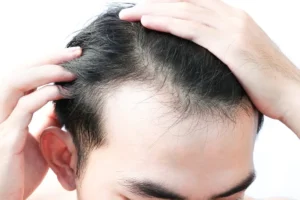
When you push your body beyond its limits, the exhaustion response triggers hormonal changes that directly affect the hair follicle. The hair growth cycle consists of three phases: anagen (growth), catagen (transition), and telogen (rest). Prolonged fatigue can force a larger proportion of follicles into the telogen phase, a condition known as telogen effluvium. This shift results in diffuse shedding rather than patterned baldness.
Key mechanisms include:
- Elevated cortisol levels that suppress the anagen phase.
- Reduced blood flow to the scalp due to chronic vasoconstriction.
- Impaired nutrient delivery, especially iron and zinc, essential for keratin synthesis.
These factors combine to create a perfect storm for hair thinning. The shedding typically becomes noticeable 2–3 months after the exhausting event, aligning with the natural duration of the telogen phase.
Mental Fatigue, Stress, and Alopecia
Beyond physical tiredness, mental exhaustion—often caused by chronic stress—can lead to various forms of alopecia. While telogen effluvium is the most common, some individuals develop alopecia areata, an autoimmune condition where the immune system mistakenly attacks hair follicles.
Below is a comparison of the most prevalent stress‑related hair loss types:
| Type | Trigger | Pattern | Typical Onset |
|---|---|---|---|
| Telogen Effluvium | Physical/mental exhaustion, illness, surgery | Diffuse shedding | 2–3 months after trigger |
| Alopecia Areata | Autoimmune response, severe stress | Patchy bald spots | Variable, can be rapid |
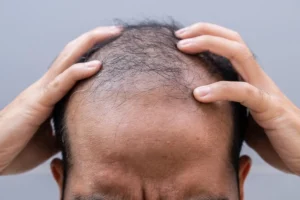
| Androgenetic Alopecia | Genetics, hormonal factors (may be worsened by stress) | Patterned thinning (male/female) | Gradual over years |
Stress also influences the hypothalamic‑pituitary‑adrenal (HPA) axis, which regulates cortisol. Persistent high cortisol can shrink follicles, shortening the anagen phase and accelerating shedding. Recognizing the signs early—such as sudden increase in hair fall on the pillow or in the shower—helps you intervene before permanent thinning sets in.
Medical Conditions That Link Exhaustion to Hair Loss
Chronic fatigue is often a symptom of underlying health issues that also manifest as hair loss. Identifying and treating these conditions can alleviate both exhaustion and shedding.
Thyroid Imbalance
Both hypothyroidism and hyperthyroidism disrupt the metabolic balance required for healthy hair production. An underactive thyroid slows down cellular turnover, while an overactive thyroid speeds it up—both resulting in fragile strands and increased shedding.
Iron‑Deficiency Anemia
Iron is a critical component of hemoglobin, which transports oxygen to hair follicles. Low iron levels limit oxygen delivery, forcing follicles into premature telogen.
Chronic Infections and Autoimmune Disorders
Conditions such as lupus, rheumatoid arthritis, and chronic fungal infections can cause systemic inflammation, leading to both fatigue and diffuse hair loss.
Regular blood work to check thyroid hormones, ferritin, and inflammatory markers is advisable for anyone experiencing prolonged exhaustion paired with unexplained hair shedding.
Lifestyle Adjustments to Counter Exhaustion‑Related Hair Thinning
Addressing the root causes of fatigue often restores the hair growth cycle without medical intervention. Consider incorporating these evidence‑based habits:
- Prioritize Sleep: Aim for 7–9 hours of uninterrupted rest. Deep sleep promotes growth hormone release, essential for anagen maintenance.
- Balanced Nutrition: Include protein‑rich foods, omega‑3 fatty acids, and micronutrients like zinc, biotin, and vitamin D.
- Stress Management: Practice mindfulness, yoga, or short daily breathing exercises to lower cortisol.
- Regular Physical Activity: Moderate exercise improves circulation, delivering nutrients to the scalp.
- Avoid Harsh Treatments: Limit heat styling, tight hairstyles, and chemical processes that can exacerbate follicle stress.
Tracking progress with a simple hair diary—recording sleep hours, diet, and daily hair fall—helps you identify patterns and adjust strategies promptly.
When Professional Hair Restoration Becomes the Best Option
Even with optimal lifestyle changes, some individuals experience persistent thinning that does not reverse. In such cases, consulting a hair restoration specialist is advisable. Modern techniques like Follicular Unit Extraction (FUE) and Direct Hair Implantation (DHI) provide natural‑looking, long‑lasting results with minimal downtime.
Key indicators that you may benefit from a transplant include:
- Hair density loss exceeding 30% despite lifestyle modifications.
- Stable, non‑progressive shedding after addressing medical causes.
- Desire for a permanent solution to restore confidence.
During an initial consultation, a specialist will evaluate your scalp, discuss your exhaustion history, and recommend a personalized plan—whether it involves medication, PRP therapy, or a surgical transplant.
Why Choose Gold City Hair
Gold City Hair has been delivering personalized hair restoration solutions in Turkey since 2017. Our clinic combines state‑of‑the‑art FUE and DHI techniques with a compassionate, transparent approach. Each patient receives a tailored treatment plan that considers underlying health factors, such as exhaustion‑related hair loss, ensuring optimal, lasting results. With a focus on safety, expertise, and client confidence, Gold City Hair is a trusted partner for those ready to reclaim a fuller, healthier head of hair.
Ready to stop exhaustion from stealing your hair? Contact Gold City Hair today to schedule a comprehensive evaluation and discover the best path to revitalized growth. Take the first step toward renewed confidence and lasting results.
FAQ
How does chronic exhaustion cause hair loss?
Prolonged fatigue alters hormone levels, reduces scalp blood flow, and depletes nutrients, pushing hair follicles into the resting telogen phase.
What is telogen effluvium and how is it related to fatigue?
Telogen effluvium is a temporary, diffuse hair shedding caused by a large number of follicles entering the telogen phase, often triggered by physical or mental exhaustion.
Can stress lead to alopecia areata?
Yes, severe or chronic stress can trigger alopecia areata, an autoimmune attack on hair follicles that results in patchy hair loss.
Which medical conditions link exhaustion to hair thinning?
Thyroid disorders, iron‑deficiency anemia, and chronic autoimmune or infectious diseases can cause both fatigue and hair loss.
What lifestyle changes can help reverse exhaustion‑related hair loss?
Prioritizing sleep, balanced nutrition, stress management, regular exercise, and avoiding harsh hair treatments can restore the hair growth cycle.
When should I consider a hair transplant for exhaustion‑related hair loss?
If hair density drops more than 30% despite lifestyle and medical interventions, a transplant may be the most effective solution.