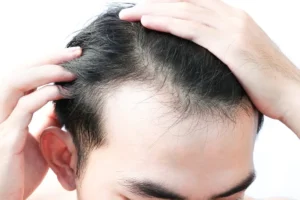
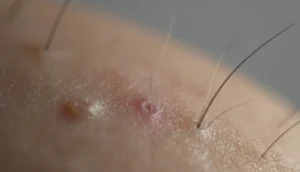
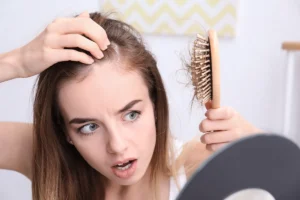
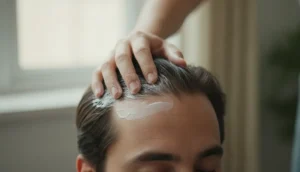
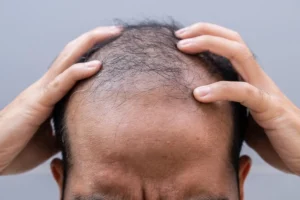
Alopecia areata treatment cream is often the first line of defense for people noticing sudden patches of hair loss. This article explains how topical solutions can help, what ingredients to look for, and when a more comprehensive approach—such as a hair transplant—might be necessary. With an estimated 2% of the global population experiencing alopecia areata at some point, understanding effective treatments is essential for restoring confidence.
We will explore the science behind cream formulations, compare popular products, and provide practical tips for maximizing results. Whether you are seeking over‑the‑counter hair growth products or a prescription‑strength solution, the information here will help you make an informed decision.
By the end of this guide, you’ll know how to evaluate a cream’s efficacy, recognize potential side effects, and understand how topical therapy fits into a broader hair loss treatment plan.
Understanding Alopecia Areata and How Creams Work
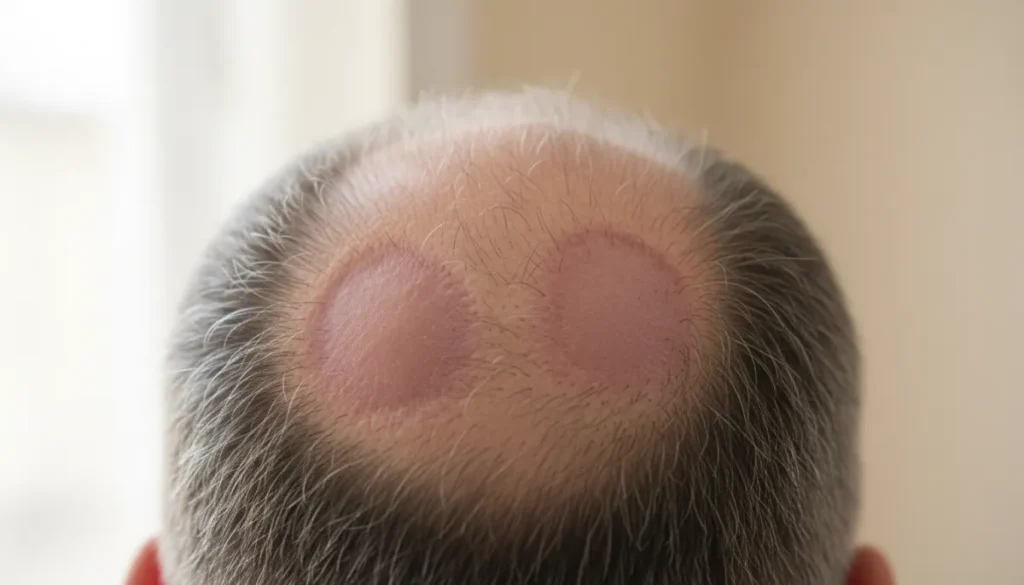
Alopecia areata is an autoimmune condition where the immune system mistakenly attacks hair follicles, leading to smooth, round bald patches. While the exact trigger remains unclear, genetics and stress are common contributors. Topical treatments aim to calm the immune response, stimulate follicular activity, and create a favorable environment for hair regrowth.
What Is Alopecia Areata?
- Sudden, patchy hair loss on the scalp, beard, or eyebrows.
- Often reversible, but can progress to total scalp loss (alopecia totalis).
- Diagnosed through clinical examination and sometimes a scalp biopsy.
Mechanisms of Topical Treatments
Topical creams work by delivering active agents directly to the affected follicles. This localized approach reduces systemic exposure compared with oral medications, while still providing anti‑inflammatory and vasodilatory effects that encourage hair growth.
Key mechanisms include:
- Immunosuppression: Corticosteroids reduce inflammation around the follicle.
- Vasodilation: Minoxidil widens blood vessels, increasing nutrient flow.
- Cellular Stimulation: Anthralin and certain natural extracts promote keratinocyte activity.
| Action | Typical Ingredient | Result |
|---|---|---|
| Anti‑inflammatory | Corticosteroids (e.g., clobetasol) | Reduces immune attack on follicles |
| Blood flow enhancement | Minoxidil | Improves nutrient delivery |
| Cell turnover | Anthralin, tea tree oil | Stimulates new hair shaft formation |
When selecting an alopecia areata treatment cream, it’s crucial to match the product’s action with the stage of hair loss you’re experiencing.
Key Ingredients Found in Effective Treatment Creams
The success of a cream often hinges on its active ingredients. Below are the most common components found in clinically supported formulations.
Corticosteroids
Topical steroids such as clobetasol propionate are the gold standard for suppressing the autoimmune response. They are typically prescribed for short‑term use due to potential skin thinning with prolonged application.
Minoxidil
Originally approved for androgenic alopecia, minoxidil’s vasodilatory properties also benefit alopecia areata by increasing blood supply to dormant follicles. Over‑the‑counter 2% and 5% solutions are widely available.
Anthralin
Anthralin works by irritating the skin mildly, which paradoxically reduces the immune attack on hair follicles. It is often used in a “stop‑and‑go” regimen to minimize irritation.
Natural Extracts
Ingredients like rosemary oil, pumpkin seed extract, and saw palmetto are gaining popularity for their anti‑inflammatory and antioxidant properties. While evidence is less robust than for prescription agents, many users report improved hair density.
- Rosemary oil – stimulates microcirculation.
- Pumpkin seed extract – contains phytosterols that may block DHT.
- Saw palmetto – offers mild anti‑androgenic effects.
When choosing a product, verify that the concentration of each active ingredient aligns with clinical guidelines. For example, a clobetasol cream should contain 0.05% to be considered high‑potency.
Choosing the Right Cream: Factors to Consider
Selecting the appropriate alopecia areata treatment cream involves more than just reading the label. Consider the following criteria to ensure the product matches your needs.
Severity and Location of Hair Loss
For limited patches on the scalp, a low‑potency steroid may suffice. Extensive involvement or eyebrow loss may require a combination of minoxidil and a higher‑potency corticosteroid.
Prescription vs. Over‑the‑Counter
Prescription creams typically contain stronger steroids and may be combined with other actives. Over‑the‑counter options are safer for long‑term use but may deliver slower results.
Skin Sensitivity
Individuals with sensitive skin should start with a low‑concentration formula and perform a patch test. Irritation is a common side effect of anthralin and high‑potency steroids.
Treatment Goals and Timeline
If you aim for rapid regrowth, a prescription‑strength regimen under dermatologist supervision is advisable. For gradual improvement, a natural‑extract‑based cream can be integrated into a daily routine.
- Check active ingredient concentration.
- Confirm the product’s expiration date.
- Read user reviews for real‑world efficacy.
- Consult a dermatologist for personalized guidance.
Remember that topical therapy is often most effective when combined with lifestyle measures such as stress management, a balanced diet rich in vitamins for hair growth, and gentle hair care practices.
When Creams Aren’t Enough: Integrating Medical and Surgical Options
Topical solutions can halt progression and stimulate regrowth, but some cases require additional interventions. Understanding when to transition to advanced treatments ensures the best possible outcome.
Medical Adjuncts
Systemic corticosteroids, immunotherapy (e.g., diphencyprone), and JAK inhibitors have shown promise for extensive alopecia areata. These are typically prescribed when topical therapy fails after 3–6 months.
Surgical Solutions
For patients with stable disease and permanent hair loss, hair transplant techniques such as Follicular Unit Extraction (FUE) or Direct Hair Implantation (DHI) provide lasting coverage. Gold City Hair specializes in these procedures, offering personalized treatment plans that integrate prior topical therapy results.
| Option | Typical Use | Pros | Cons |
|---|---|---|---|
| Topical Creams | Early‑stage patches | Non‑invasive, low cost | May require months for visible results |
| Systemic Meds | Extensive or resistant cases | Rapid immune modulation | Potential systemic side effects |
| Hair Transplant | Stable, permanent loss | Long‑term natural results | Higher cost, surgical recovery |
Combining a short course of alopecia areata treatment cream with a later transplant can improve graft survival by reducing local inflammation before surgery.
Safety and Side Effects: What to Watch For
While many creams are safe when used correctly, awareness of potential adverse reactions helps prevent complications.
Common Side Effects
- Skin irritation or redness – often with anthralin or high‑potency steroids.
- Dryness or flaking – can be managed with moisturizers.
- Unwanted hair growth on adjacent skin – avoid spreading the cream.
Rare but Serious Reactions
Prolonged use of potent corticosteroids may cause skin atrophy, telangiectasia, or systemic absorption leading to hormonal effects. If you notice thinning skin, bruising, or unusual fatigue, discontinue use and seek medical advice.
Best Practices for Safe Use
- Follow the prescribed frequency (often once daily).
- Apply a thin layer only to affected areas.
- Use a gentle cleanser before application.
- Store the cream at room temperature, away from direct sunlight.
- Schedule regular follow‑ups with a dermatologist to monitor progress.
By adhering to these guidelines, you can maximize the benefits of your alopecia areata treatment cream while minimizing risks.
Why Choose Gold City Hair
Gold City Hair has been a trusted leader in hair restoration since 2017, offering personalized care that blends cutting‑edge medical treatments with world‑class surgical expertise. Our team understands that each case of alopecia is unique, and we tailor solutions—from prescription creams to FUE and DHI transplants—to match your specific goals. With transparent communication, state‑of‑the‑art facilities in Turkey, and a commitment to lasting results, we help you regain confidence and a fuller head of hair.
Ready to start your hair restoration journey? Contact Gold City Hair today to schedule a personalized consultation and discover the most effective treatment plan for your needs.
Take the first step toward renewed confidence—your new look awaits.
FAQ
How do alopecia areata treatment creams work?
They deliver active agents directly to affected follicles to reduce inflammation, improve blood flow, and stimulate cell turnover.
What are the most effective ingredients in alopecia areata creams?
Corticosteroids, minoxidil, anthralin, and certain natural extracts like rosemary oil are the most commonly supported ingredients.
When should I consider moving from creams to medical or surgical options?
If there is no noticeable improvement after 3–6 months of consistent cream use, or if hair loss is extensive, medical or surgical interventions may be needed.
What side effects should I watch for when using treatment creams?
Common side effects include skin irritation, dryness, and unwanted hair growth; rare but serious effects involve skin atrophy and systemic hormone changes.
How can I safely apply alopecia areata treatment cream?
Apply a thin layer once daily to clean, dry affected areas, avoid spreading to surrounding skin, and follow dermatologist instructions.
Are over‑the‑counter creams as effective as prescription options?
OTC creams are safer for long‑term use but generally provide slower or less dramatic results compared with prescription‑strength formulations.