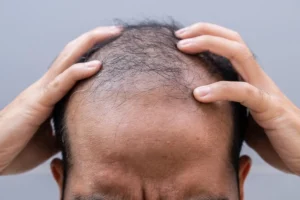
If you’ve ever typed “what does fue mean” into a search engine, you’re not alone. Many people experiencing hair loss wonder about this abbreviation that appears on clinic brochures and online forums. Understanding the term is the first step toward making an informed decision about hair restoration.
In this article we’ll break down the meaning of FUE, explain how the technique works, compare it with other methods, and outline what you can expect before, during, and after the procedure. Whether you’re exploring options for a subtle density boost or a full scalp transformation, knowing the details helps you choose the right solution for your confidence and lifestyle.
Hair loss affects up to 40 % of men by age 35 and 70 % of men by age 50, according to global dermatology surveys. The rise of minimally invasive procedures like FUE has turned what once required extensive surgery into an outpatient experience with rapid recovery. By the end of this guide, the answer to “what does fue mean” will be clear, and you’ll be equipped to discuss the process with a qualified specialist.
Defining FUE: The Basics of Follicular Unit Extraction
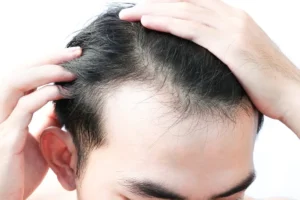
Follicular Unit Extraction, commonly abbreviated as FUE, is a modern hair transplant technique that removes individual hair follicles directly from the donor area—usually the back of the head—and implants them into the thinning or balding zones. Unlike older strip‑harvesting methods, FUE does not require a linear incision, which means no visible scar and a quicker healing time.
The process begins with a detailed assessment of hair density, scalp laxity, and aesthetic goals. Using a specialized micro‑punch tool, typically ranging from 0.7 mm to 1.0 mm in diameter, the surgeon extracts each follicular unit—containing 1 to 4 hairs—one by one. These grafts are then carefully preserved in a nutrient solution before being placed into pre‑made recipient sites that follow the natural hair growth pattern.
- Precision: Each graft is harvested with millimeter accuracy.
- Minimal Scarring: No linear scar, only tiny dot‑like marks that fade over time.
- Flexibility: Suitable for scalp, beard, eyebrow, and even body hair transplantation.
Understanding the term FUE is essential because it signals a commitment to a less invasive, highly customizable approach. When you ask “what does fue mean,” the answer is a technique that prioritizes natural results and patient comfort.
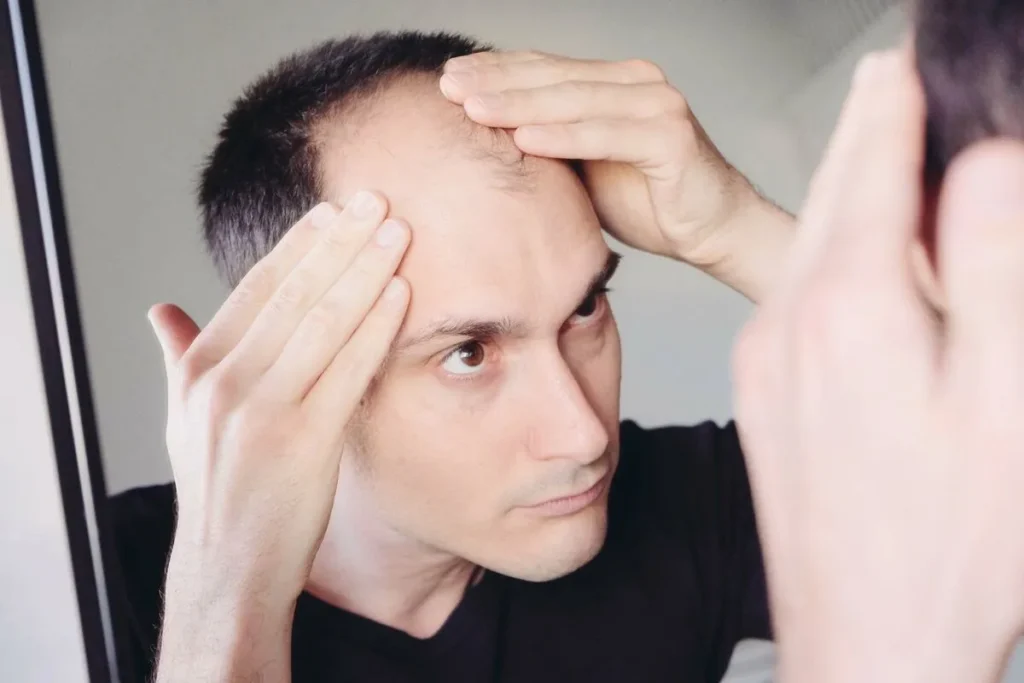
How FUE Differs from Other Hair Transplant Techniques
When evaluating hair restoration options, it’s helpful to compare FUE with the most common alternatives: strip harvesting (also known as FUT), Direct Hair Implantation (DHI), and traditional hair plug methods. Each technique has distinct procedural steps, recovery timelines, and aesthetic outcomes.
| Technique | Method of Harvesting | Scarring | Typical Recovery | Ideal Candidate |
|---|---|---|---|---|
| FUE | Individual follicular units extracted with a micro‑punch | Dot‑like scars, virtually invisible | 3‑7 days for basic activities | Patients seeking minimal downtime and no linear scar |
| FUT (Strip Harvest) | Linear strip of scalp removed, then dissected | Linear scar, visible if hair is short | 10‑14 days for full recovery | Those needing a high volume of grafts in a single session |
| DHI | FUE‑style extraction, grafts loaded into a pen‑like implanter | Similar to FUE, tiny dot scars | 4‑8 days | Patients wanting precise depth control during implantation |
| Hair Plugs | Clusters of 10‑30 hairs transplanted as a unit | Noticeable “plug” appearance, outdated | 7‑10 days | Rarely recommended today due to unnatural look |
In short, the answer to “what does fue mean” also clarifies why many clinics, including Gold City Hair, prioritize this method: it balances graft yield, aesthetic naturalness, and patient comfort better than most legacy techniques.
The FUE Procedure Step‑by‑Step
Understanding the exact flow of a Follicular Unit Extraction session helps demystify the process and sets realistic expectations. Below is a detailed walkthrough of each phase.
Consultation and Planning
The journey begins with a comprehensive consultation. A specialist evaluates your hair loss pattern, donor area density, and personal goals. Using digital imaging software, the surgeon designs a customized graft distribution map that mimics natural hair direction.
Local Anesthesia
Before any extraction, the donor and recipient zones are numbed with a safe, fast‑acting local anesthetic. Patients remain fully awake, but feel no discomfort during the micro‑punch movements.
Extraction
Using a motorized or manual FUE device, the surgeon creates a circular incision around each follicular unit. The graft is gently lifted and placed into a sterile tray. Modern devices can harvest 1,000–2,500 grafts in a single session, depending on the patient’s needs.
Graft Preparation
Extracted grafts are kept in a chilled, nutrient‑rich solution to preserve viability. Technicians sort them by size (single‑hair, double‑hair, etc.) to ensure optimal placement.
Implantation
Following the pre‑planned map, the surgeon makes tiny recipient sites at the appropriate depth and angle. Each graft is then inserted, respecting the natural hair growth pattern to achieve seamless blending.
Recovery and After‑Care
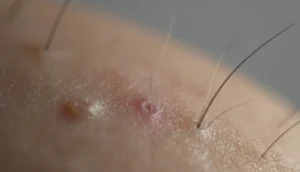
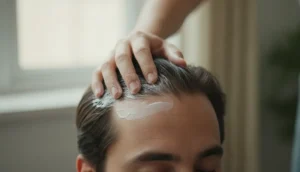
Post‑procedure instructions include gentle washing, avoiding direct sun, and taking prescribed medications to reduce swelling and support graft survival. Most patients resume light activities within a week and see initial hair growth after 3‑4 months.
- Day 0‑2: Mild redness and crusting, normal.
- Day 3‑7: Scalp may feel tight; follow cleaning guidelines.
- Month 2‑3: Shedding of transplanted hairs (normal “shock loss”).
- Month 4‑6: New hair emergence, gradual thickening.
By breaking down the process, the phrase “what does fue mean” transforms from a vague abbreviation into a clear, stepwise experience that you can discuss confidently with your surgeon.
Benefits and Considerations of Choosing FUE
FUE has become the gold standard for many patients, but it’s important to weigh its advantages against potential limitations.
Key Benefits
- Minimal Scarring: Only tiny puncture marks that are virtually invisible.
- Quick Recovery: Most daily activities resume within a week.
- Flexibility: Works for scalp, beard, eyebrows, and body hair.
- Natural Results: Individual graft placement mimics natural hair direction.
- Low Infection Risk: Small incisions reduce exposure.
Considerations
- Session Length: Extracting thousands of grafts can take 6‑10 hours.
- Cost: FUE may be priced higher per graft compared to strip methods.
- Donor Availability: Patients with limited donor hair may need multiple sessions.
- Skill Dependency: Outcomes rely heavily on surgeon expertise and equipment quality.
When you ask “what does fue mean” in the context of your own situation, these points help you decide if the technique aligns with your expectations, budget, and timeline.
Common Questions About FUE and What to Expect
Even after a thorough explanation, prospective patients often have lingering queries. Below are the most frequently discussed topics.
- How much does an FUE session cost? Prices vary by clinic, graft count, and country. In Turkey, reputable centers offer competitive rates while maintaining high standards.
- When will I see results? Visible growth typically begins 3‑4 months post‑procedure, with full density developing by 12‑18 months.
- Is the procedure painful? Local anesthesia ensures a pain‑free experience during extraction and implantation. Some mild discomfort may occur during the first few days.
- Can I shave my head before FUE? Yes, a short haircut helps the surgeon access the donor area more easily.
- Will my transplanted hair fall out? Transplanted follicles are permanent; they continue to grow for a lifetime, just like native hair.
Answering “what does fue mean” often leads to these deeper inquiries, and a qualified clinic will provide personalized guidance for each concern.
Why Choose Gold City Hair for Your FUE Treatment
Gold City Hair has been delivering high‑quality hair restoration in Turkey since 2017. Our team combines extensive experience with the latest FUE technology to ensure precise extraction and natural‑looking results. We prioritize transparent communication, personalized treatment plans, and a comfortable, modern clinic environment. Trust a center that values your confidence as much as your hair.
Ready to discover how FUE can transform your look? Contact Gold City Hair today to schedule a free, no‑obligation consultation and take the first step toward lasting confidence.
FAQ
What does FUE stand for?
FUE stands for Follicular Unit Extraction, a method of harvesting individual hair follicles for transplantation.
How does FUE differ from FUT (strip harvesting)?
FUE extracts individual follicles with a micro‑punch, leaving tiny dot scars, while FUT removes a strip of scalp, leaving a linear scar.
What is the typical recovery time after an FUE procedure?
Most patients resume normal activities within a week, with full healing of the donor area in 3‑7 days.
How many grafts can be harvested in a single FUE session?
Modern FUE devices can extract between 1,000 and 2,500 grafts in one session, depending on donor density.
What are the main benefits of choosing FUE?
FUE offers minimal scarring, quick recovery, natural results, and flexibility for different body areas.
Is the FUE procedure painful?
Local anesthesia numbs the donor and recipient areas, making the extraction and implantation pain‑free.
When will I see results after an FUE hair transplant?
Initial hair shedding occurs around 2‑3 months, with new growth visible at 3‑4 months and full density by 12‑18 months.
How much does an FUE session cost?
Cost varies by clinic, country, and graft count, ranging from $2 to $6 per graft in many markets.