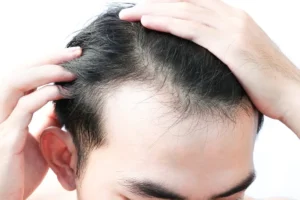
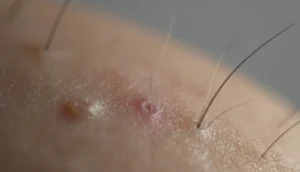
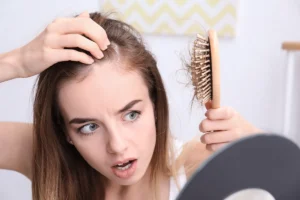
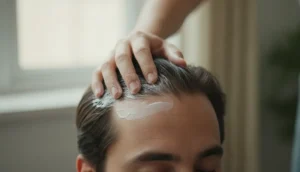
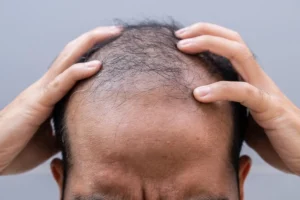
Understanding how to repair damaged hair follicles is essential for anyone facing thinning or patchy hair. Damage to the follicle can be caused by genetics, stress, poor nutrition, or harsh styling practices, leading to reduced hair density and confidence loss. Recent studies show that up to 40% of adults experience some form of follicular damage by age 35, making early intervention crucial.
This article explores the science behind follicle injury and outlines practical steps you can take at home, in the clinic, and through emerging technologies. We’ll examine nutritional support, lifestyle adjustments, light‑based therapies, and medical options that target the root causes of damage. By the end, you’ll have a clear roadmap to promote healthier follicles and stimulate natural regrowth.
Whether you’re dealing with scalp hair loss, eyebrow thinning, or beard gaps, the strategies discussed here are designed to complement professional hair restoration procedures offered by Gold City Hair, ensuring you achieve the best possible outcomes.
Understanding Hair Follicle Damage
Hair follicles are tiny, dynamic structures that cycle through growth (anagen), regression (catagen), and rest (telogen) phases. When external or internal stressors disrupt this cycle, follicles can become miniaturized or die, resulting in visible hair loss. Common culprits include oxidative stress, inflammation, hormonal imbalances, and mechanical trauma.
Identifying the type of damage is the first step toward effective repair. For instance, oxidative damage often stems from free radicals generated by UV exposure or smoking, while inflammatory damage may arise from scalp conditions like seborrheic dermatitis.
- Oxidative stress – leads to weakened follicle cells.
- Inflammation – can block nutrient flow to the hair bulb.
- Hormonal shifts – especially excess DHT, shrink follicles.
- Mechanical trauma – tight hairstyles or harsh chemicals.
Below is a simple comparison of damage types and their typical signs:
| Damage Type | Typical Signs | Primary Cause |
|---|---|---|
| Oxidative | Dry, brittle hair; early graying | UV exposure, smoking |
| Inflammatory | Redness, itching, flaky scalp | Dermatitis, fungal infection |
| Hormonal | Gradual thinning, receding hairline | Elevated DHT, hormonal imbalance |
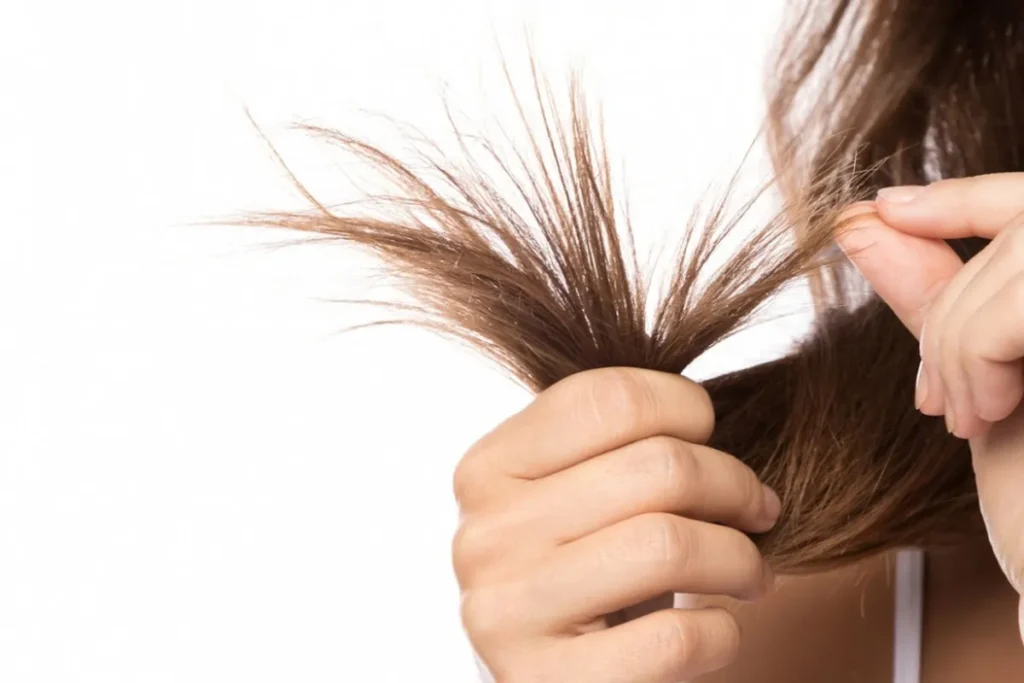
| Mechanical | Breakage near roots, traction alopecia | Frequent pulling, heat styling |
Nutritional and Lifestyle Approaches to Repair
Diet and lifestyle play a pivotal role in supporting follicle regeneration. Essential nutrients such as biotin, zinc, iron, and omega‑3 fatty acids provide the building blocks for keratin production and reduce inflammation.
Incorporating the following foods can boost follicle health:
- Eggs – rich in biotin and protein.
- Spinach – high in iron and magnesium.
- Salmon – provides omega‑3s for anti‑inflammatory effects.
- Brazil nuts – an excellent source of selenium.
- Legumes – supply zinc and folate.
Beyond nutrition, lifestyle habits such as adequate sleep, stress management, and avoiding harsh chemicals are vital. Chronic stress elevates cortisol, which can disrupt the hair growth cycle. Practices like meditation, regular exercise, and limiting exposure to pollutants help maintain a balanced hormonal environment.
Here’s a weekly plan to integrate these habits:
| Day | Nutrition Focus | Lifestyle Activity |
|---|---|---|
| Monday | Egg and spinach omelet | 30‑minute mindfulness meditation |
| Wednesday | Grilled salmon with quinoa | Strength training + stretching |
| Friday | Bean and lentil soup | Evening walk in nature |
| Weekend | Brazil nut snack | Digital detox (no screens after 8 PM) |
Consistently following this regimen supports the hair bulb and encourages the anagen phase to dominate, laying a solid foundation for any subsequent clinical treatment.
Advanced Light Therapies for Follicle Recovery
Light‑based treatments, especially red light therapy, have gained popularity for their ability to stimulate cellular metabolism within the follicle. Photobiomodulation uses specific wavelengths (typically 630–660 nm) to enhance mitochondrial activity, increase blood flow, and reduce inflammation.
Clinical trials show that regular sessions with a red light panel can improve hair density by up to 30% after 12 weeks. The therapy is non‑invasive, painless, and can be combined with other interventions.
Key advantages of red light therapy include:
- Stimulating ATP production for stronger follicle cells.
- Reducing oxidative stress and inflammation.
- Improving scalp circulation and nutrient delivery.
- Compatibility with existing hair loss treatments.
When selecting a device, look for:
| Feature | Recommended Specification |
|---|---|
| Wavelength | 630‑660 nm (red) or 810‑850 nm (near‑infrared) |
| Power Density | 5‑10 mW/cm² for safe home use |
| Treatment Time | 10‑20 minutes per session, 3‑5 times weekly |
While red light therapy is safe for most users, it is essential to follow manufacturer guidelines and consult a specialist if you have photosensitivity or skin conditions.
Medical Treatments and Professional Options
When follicle damage is extensive, medical interventions may be necessary. Options range from topical minoxidil to advanced procedures like platelet‑rich plasma (PRP) injections and follicular unit extraction (FUE) transplants.
Topical treatments:
- Minoxidil – widens blood vessels, prolonging the anagen phase.
- Finasteride – oral DHT blocker, reduces hormonal miniaturization.
Procedural therapies:
| Procedure | How It Works | Typical Results |
|---|---|---|
| PRP Injections | Concentrated platelets release growth factors. | 5‑15% increase in hair thickness after 3‑4 sessions. |
| FUE Transplant | Individual follicles are harvested and implanted. | Natural‑looking permanent restoration. |
| DHI Technique | Direct implantation using a specialized pen. | Higher graft survival, faster recovery. |
Gold City Hair specializes in FUE, DHI, and eyebrow/beard transplants, offering personalized treatment plans that consider the extent of follicle damage, donor area quality, and patient goals. A thorough pre‑procedure evaluation helps determine the most suitable approach, ensuring optimal graft survival and natural results.
Home Care Practices and Preventive Measures
Even after professional treatment, daily care is critical to maintain repaired follicles. Gentle cleansing, appropriate moisturization, and avoiding harsh styling tools help preserve the newly revitalized hair.
Recommended home‑care routine:
- Use a sulfate‑free shampoo with biotin and tea tree oil.
- Apply a lightweight, non‑comedogenic conditioner.
- Massage the scalp for 2‑3 minutes daily to boost circulation.
- Limit heat styling to once a week; use a heat protectant spray.
- Protect hair from UV exposure with a hat or SPF‑infused hair product.
Preventive habits that reduce future damage include:
| Habit | Benefit |
|---|---|
| Regular scalp exfoliation | Removes dead skin, improves follicle breathing. |
| Balanced hormone levels | Minimizes DHT‑related miniaturization. |
| Avoid tight hairstyles | Prevents traction alopecia. |
Consistency is key; integrating these practices with professional follow‑ups maximizes the chance of long‑term success in repairing damaged hair follicles.
Why Choose Gold City Hair
Gold City Hair has been delivering advanced hair restoration solutions in Turkey since 2017. Our clinic combines cutting‑edge techniques such as FUE, DHI, and eyebrow/beard transplants with a personalized approach that prioritizes patient comfort and transparent communication. Our experienced medical team tailors each treatment plan to the unique condition of your follicles, ensuring optimal graft survival and natural‑looking results. Trust a clinic that values integrity, expertise, and your confidence.
Ready to start repairing your damaged hair follicles? Contact Gold City Hair today to schedule a free consultation and discover a customized plan that restores your confidence.
Take the first step toward healthier hair—your journey begins now.
FAQ
How can I repair damaged hair follicles at home?
Home repair focuses on nutrition, stress reduction, gentle scalp care, and light therapy.
What nutrients are essential for hair follicle health?
Biotin, zinc, iron, selenium, and omega‑3 fatty acids are crucial.
Does red light therapy really improve hair growth?
Clinical studies show up to 30% increase in density after regular use.
What are the differences between PRP and FUE hair transplants?
PRP stimulates existing follicles; FUE moves healthy follicles to balding areas.
How often should I use minoxidil for best results?
Apply twice daily to the scalp, consistently for at least four months.
What daily habits help prevent further follicle damage?
Gentle cleansing, scalp massage, UV protection, and stress control are key.