Hair specialist expertise can be the turning point for anyone facing hair loss or thinning. This article walks you through what a hair specialist actually does, how to evaluate credentials, the most common restoration techniques, and what to expect before, during, and after treatment. Whether you are considering a subtle eyebrow transplant or a full scalp restoration, understanding the process helps you make an informed decision and achieve lasting confidence.
According to recent studies, over 40% of men and 30% of women experience noticeable hair thinning by age 35, yet many remain unsure how to find a trustworthy professional. By demystifying the role of the hair specialist and outlining clear selection criteria, you can avoid common pitfalls and choose a clinic that aligns with your goals.
In the sections that follow, we’ll explore the core responsibilities of a hair restoration expert, compare the most popular techniques such as FUE and DHI, and provide actionable checklists for your first consultation. Let’s begin the journey toward healthier hair and renewed self‑esteem.
What Does a Hair Specialist Do?
A qualified hair specialist—often referred to as a hair transplant surgeon or trichologist—offers a range of services aimed at diagnosing and treating hair loss. Their primary responsibilities include:
- Conducting a detailed scalp analysis to identify the type and extent of hair loss.
- Recommending personalized treatment plans that may involve surgical and non‑surgical options.
- Performing hair graft extraction and implantation using techniques like FUE, DHI, or robotic assistance.
- Providing post‑procedure care instructions to maximize graft survival and growth.
- Monitoring long‑term results and offering maintenance therapies such as PRP or low‑level laser therapy.
Below is a comparison of the most common services offered by hair restoration experts:
| Service | Typical Candidates | Key Benefits |
|---|---|---|
| FUE (Follicular Unit Extraction) | Patients with moderate to extensive thinning | Minimally invasive, natural‑looking results |
| DHI (Direct Hair Implantation) | Those seeking higher graft density | Precise placement, reduced trauma |
| Eyebrow & Beard Transplant | Individuals needing facial hair restoration | Customized aesthetic outcomes |
| PRP Therapy | Early‑stage loss or post‑surgery support | Stimulates natural growth, non‑surgical |
Understanding these offerings helps you align expectations with the specialist’s capabilities. A reputable professional will explain each option in clear, jargon‑free language and tailor the plan to your unique hair pattern and lifestyle.
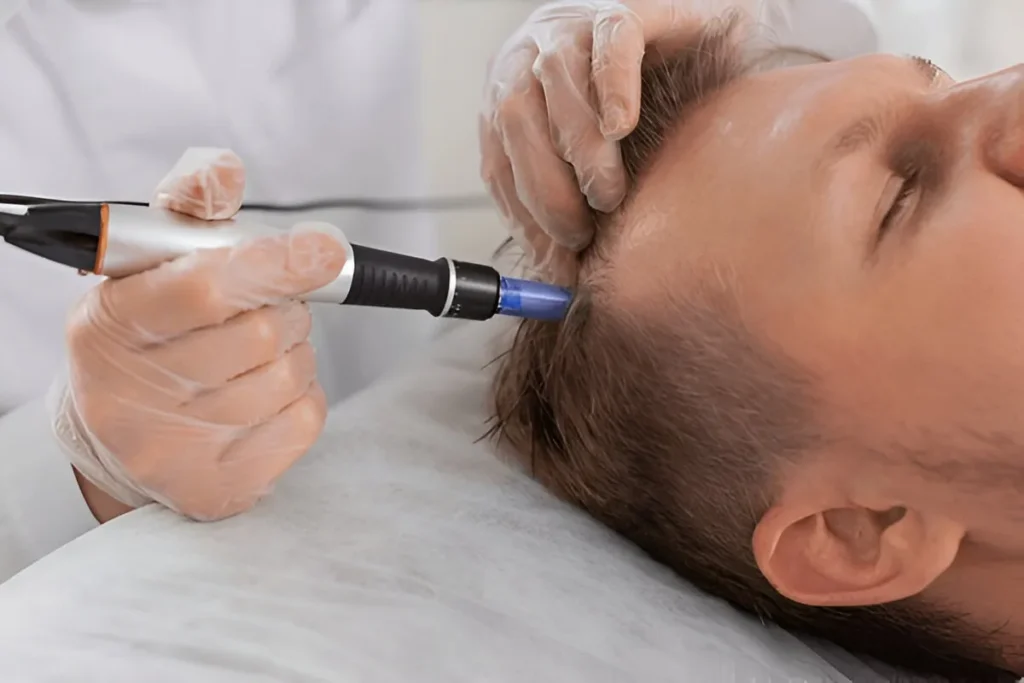
How to Choose a Qualified Hair Specialist
Selecting the right professional is crucial for successful outcomes. Below is a step‑by‑step checklist to evaluate potential specialists:
- Verify Credentials: Look for board certification in dermatology or plastic surgery, and specific training in hair transplantation.
- Review Experience: Ask how many procedures they have performed and request before‑and‑after photos of patients with similar hair loss patterns.
- Assess Facility Standards: The clinic should meet international hygiene standards, use FDA‑approved equipment, and provide a comfortable recovery area.
- Understand the Technique: A good specialist will explain why a particular method (e.g., FUE vs. DHI) suits your condition.
- Check Transparency: Look for clear pricing, detailed consent forms, and a realistic timeline for results.
- Seek Patient Testimonials: Independent reviews and video testimonials can reveal the specialist’s communication style and after‑care support.
When you meet a potential specialist, ask these targeted questions:
- What is your success rate for graft survival?
- Can you provide references from recent patients?
- How do you handle complications, should they arise?
- What post‑procedure regimen do you recommend?
By following this systematic approach, you reduce the risk of choosing an underqualified provider and increase confidence that your investment will deliver natural, lasting results.
Understanding Hair Restoration Techniques
Modern hair restoration offers several advanced techniques, each with distinct advantages. Below is a concise overview of the most widely used methods:
| Technique | Procedure Overview | Ideal Candidates | Recovery Time |
|---|---|---|---|
| FUE (Follicular Unit Extraction) | Individual follicular units are harvested using a micro‑punch and implanted into recipient sites. | Patients with moderate to severe thinning seeking natural density. | 7‑10 days for mild soreness; full results in 9‑12 months. |
| DHI (Direct Hair Implantation) | Grafts are loaded into a Choi implanter pen and placed directly without creating channels first. | Those desiring higher precision and denser packing. | 5‑8 days; final outcome similar timeline to FUE. |
| Robotic‑Assisted FUE | Robotic arm assists in extraction, improving consistency and speed. | Patients seeking minimal human error and fast sessions. | Similar to manual FUE, with slightly reduced postoperative discomfort. |
| PRP (Platelet‑Rich Plasma) Therapy | Patient’s blood is processed to concentrate platelets, then injected into scalp to stimulate growth. | Early‑stage loss or adjunct to surgical grafting. | Minimal downtime; results visible after 3‑4 months. |
Choosing the appropriate technique depends on factors such as donor hair availability, scalp laxity, and personal aesthetic goals. A seasoned hair specialist will perform a thorough assessment and recommend the method that balances graft survival, natural appearance, and recovery convenience.
Preparing for Your First Consultation
A successful outcome starts long before the first incision. Proper preparation ensures the specialist has all the information needed to design a customized plan.
- Gather Medical History: Include any scalp conditions, medications, and previous hair procedures.
- Bring Visual References: Photos of your current hair, as well as images of desired results, help convey expectations.
- List Lifestyle Factors: Smoking, alcohol consumption, and stress levels can affect graft survival.
- Ask About Pre‑Procedure Guidelines: Some clinics recommend avoiding certain supplements or hair products a week prior.
- Plan Logistics: Arrange transportation and post‑procedure rest, especially if you’ll be under sedation.
During the consultation, the specialist will typically conduct:
- Visual examination and photographic documentation.
- Trichoscopic analysis to assess follicle density.
- Discussion of technique options, expected outcomes, and potential risks.
- Presentation of a detailed treatment plan, including cost breakdown.
Being proactive and organized not only streamlines the appointment but also builds trust with your hair specialist, setting the stage for a smoother treatment journey.
Aftercare and Long‑Term Success
Post‑procedure care is as critical as the surgery itself. Following the specialist’s guidelines maximizes graft survival and accelerates natural growth.
- First 48 Hours: Keep the scalp clean, avoid direct sunlight, and sleep with the head elevated.
- Medication Regimen: Use prescribed antibiotics, anti‑inflammatories, and any recommended topical solutions.
- Gentle Washing: Use a mild shampoo and avoid vigorous rubbing for the first two weeks.
- Activity Restrictions: Refrain from heavy exercise, swimming, or sauna use for at least two weeks.
- Follow‑Up Visits: Attend scheduled appointments to monitor graft take and address any concerns.
Long‑term maintenance may include periodic PRP sessions, low‑level laser therapy, or topical minoxidil to sustain density. Most patients notice visible hair growth between 3‑6 months, with full maturation at 12‑18 months.
By adhering to a structured aftercare plan and maintaining open communication with your hair specialist, you safeguard the investment and enjoy lasting confidence in your renewed appearance.
Why Choose Gold City Hair
Gold City Hair combines cutting‑edge technology with a personalized approach, making us a trusted hair restoration expert in Turkey since 2017. Our team of board‑certified surgeons specializes in FUE, DHI, and facial hair transplants, delivering natural results while maintaining transparent communication throughout every step. With a commitment to patient safety, state‑of‑the‑art facilities, and post‑procedure support, we help you regain confidence and a full, healthy head of hair.
Ready to start your transformation? Contact Gold City Hair today to schedule a free, no‑obligation consultation and discover the personalized plan that’s right for you.
Take the first step toward lasting confidence—your new hair journey begins now.
FAQ
What qualifications should I look for in a hair specialist?
Look for board certification in dermatology or plastic surgery, plus specific training and experience in hair transplantation.
How do FUE and DHI hair transplant techniques differ?
FUE extracts follicles with a micro‑punch and implants them later, while DHI uses a Choi pen to place grafts directly without pre‑made channels.
What is the typical recovery time after a hair transplant?
Mild soreness subsides in 7‑10 days, while full graft growth is usually visible between 9‑12 months.
What pre‑consultation information should I prepare for my appointment?
Gather medical history, current hair photos, lifestyle factors, and any previous hair‑loss treatments.
How important is post‑procedure aftercare for graft survival?
Proper aftercare is critical; it maximizes graft take and speeds up natural growth.
Can PRP therapy be combined with surgical hair restoration?
Yes, PRP is often used alongside surgery to boost graft survival and accelerate growth.





