Keeping up with hair loss treatment news is essential for anyone facing thinning hair or baldness, as new discoveries can dramatically improve outcomes. In 2024, researchers reported that red light therapy reduced shedding by up to 45% in a six‑month trial, sparking worldwide interest. This article compiles the most relevant updates, from cutting‑edge laser devices to the newest clinical studies shaping the field.
Understanding the evolving landscape helps you make informed choices, whether you are considering a non‑surgical option or planning a full‑scale hair transplant. We’ll explore emerging technologies, review recent clinical evidence, and outline what modern clinics—like Gold City Hair—are offering today.
By the end of this read, you’ll have a clear picture of the current state of hair restoration, the safety and efficacy of popular therapies, and practical steps to select the right solution for your personal goals.
Emerging Technologies Transforming Hair Restoration
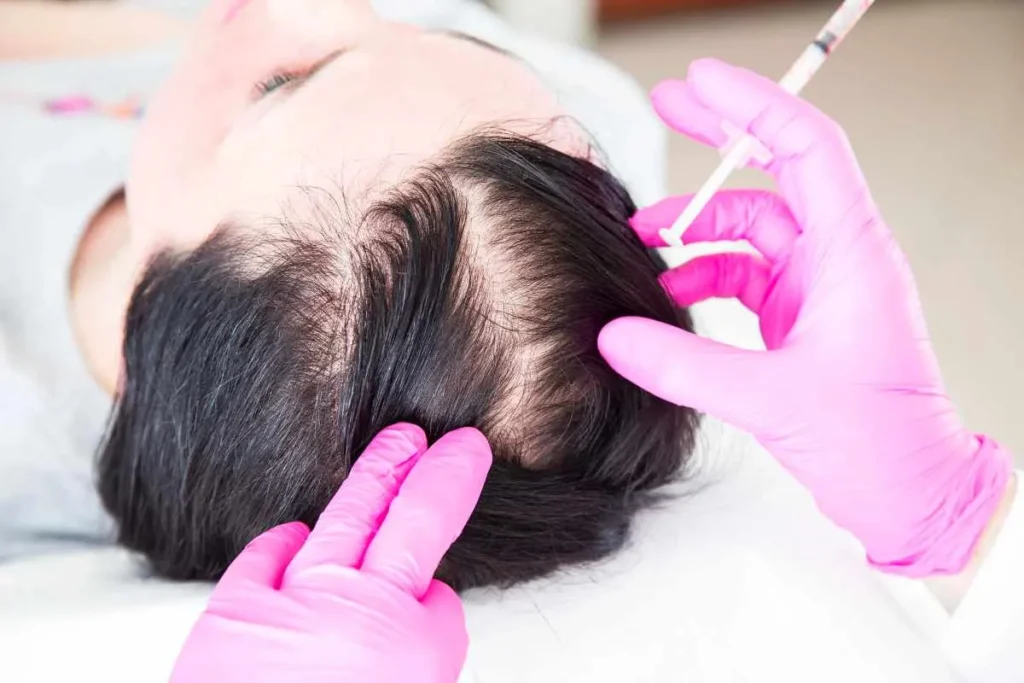
In the past few years, several innovative approaches have moved from experimental labs to mainstream clinics. The most talked‑about is red light therapy, a form of photobiomodulation that uses low‑level wavelengths to stimulate cellular activity in hair follicles. Studies suggest it can increase the anagen (growth) phase duration and improve scalp circulation.
Other notable technologies include:
- LED light therapy panels that combine red and near‑infrared light for deeper penetration.
- Low‑level laser combs and masks designed for home use, offering convenient daily treatment.
- Exosome‑enriched platelet‑rich plasma (PRP) injections that deliver growth factors directly to the follicular niche.
- Artificial intelligence‑guided scalp mapping, which helps surgeons plan the most natural‑looking graft distribution.
These tools are often used in combination with traditional grafting methods to accelerate healing and improve graft survival. For example, many clinics now apply red light therapy immediately after a hair transplant session to reduce inflammation and promote faster regrowth.
While the hype is strong, it’s important to assess each technology based on clinical data, safety profiles, and realistic expectations.
Clinical Evidence Driving New Hair Loss Treatments
Robust clinical trials are the backbone of any credible hair loss treatment advancement. Below is a summary of three pivotal studies published in 2023‑2024.
| Study | Population | Intervention | Results (6‑month) |
|---|---|---|---|
| Red Light Therapy Randomized Trial | 120 men, Norwood II‑IV | Daily 630 nm red light sessions, 15 min | 45% reduction in shedding, 30% increase in density |
| Exosome‑PRP Combination Study | 80 women, Ludwig I‑II | Three PRP injections + exosome serum | 35% improvement in hair thickness, high patient satisfaction |
| Topical Minoxidil vs. New Peptide Gel | 150 mixed gender, early‑stage alopecia | 5% minoxidil vs. peptide‑based gel | Peptide gel showed 20% faster regrowth than minoxidil |
These results reinforce that combination protocols—pairing a proven hair loss medication with emerging light or biologic therapies—often yield the most noticeable improvements. Importantly, safety data across the board remain favorable, with adverse events limited to mild scalp irritation in less than 5% of participants.
When evaluating any new option, ask your practitioner for peer‑reviewed study references, sample before‑and‑after photos, and a clear explanation of expected timelines.
Non‑Surgical Options: Light Therapy and Topical Solutions
For many individuals, surgery is not the first choice. Non‑surgical alternatives have grown in both variety and efficacy, offering viable paths for those seeking a low‑risk approach.
Red light masks and panels are now marketed specifically for scalp application. They typically emit wavelengths between 630‑660 nm, which have been shown to stimulate the dermal papilla cells responsible for hair follicle health. Users often report a noticeable reduction in thinning after 8‑12 weeks of consistent use.
Topical treatments remain a cornerstone of hair loss therapy. In addition to traditional minoxidil, newer peptide gels and botanical extracts (such as caffeine, saw palmetto, and biotin) aim to block DHT production while nourishing the follicle.
Key considerations when choosing a non‑surgical regimen:
- Safety profile: Most light devices are FDA‑cleared for safety, but it’s essential to follow manufacturer guidelines to avoid overexposure.
- Consistency: Benefits are cumulative; missing sessions can delay results.
- Adjunct use: Combining light therapy with topical agents often amplifies outcomes.
While these methods may not achieve the dramatic density of a transplant, they provide a meaningful improvement for early‑stage alopecia and can serve as a bridge while planning longer‑term solutions.
What a Modern Hair Transplant Clinic Offers
Today’s leading clinics combine surgical precision with patient‑centric services. At the core are techniques such as Follicular Unit Extraction (FUE) and Direct Hair Implantation (DHI), both of which minimize scarring and reduce recovery time.
Typical services include:
- Comprehensive scalp analysis using high‑resolution imaging.
- Personalized treatment plans that may integrate red light therapy, PRP, or medication.
- Eyebrow and beard transplants for facial aesthetic enhancement.
- Post‑procedure support, including wound care kits and scheduled follow‑up visits.
Clinics also prioritize transparency. Detailed cost breakdowns, realistic before‑and‑after galleries, and clear timelines help patients set realistic expectations. Moreover, many centers now provide virtual consultations, allowing international clients to discuss options before traveling.
Choosing a clinic with a proven track record, certified surgeons, and a commitment to ongoing research ensures you receive the most up‑to‑date care.
Choosing the Right Treatment Path for You
Deciding between surgical and non‑surgical routes depends on several personal factors. Below is a quick checklist to guide your conversation with a specialist.
| Factor | Consideration | Typical Recommendation |
|---|---|---|
| Stage of hair loss | Early (Norwood I‑II) vs. advanced (III‑V) | Early stages → light therapy & topicals; advanced → transplant |
| Budget | One‑time surgical cost vs. ongoing device subscriptions | Allocate for long‑term results if budget allows |
| Time commitment | Daily device use vs. recovery period after surgery | Busy schedules may favor non‑surgical options |
| Medical history | Scalp conditions, medication interactions | Consult a dermatologist before starting any regimen |
Remember that many patients benefit from a hybrid approach—starting with red light therapy or PRP to stabilize loss, followed by a targeted transplant once the scalp environment is optimized. Discuss your goals, expectations, and any concerns openly with a qualified provider to craft a plan that aligns with your lifestyle and desired outcomes.
Why Choose Gold City Hair
Since 2017, Gold City Hair has delivered personalized hair restoration solutions from the heart of Turkey, combining state‑of‑the‑art FUE and DHI techniques with the latest non‑surgical advancements. Our team prioritizes transparent communication, detailed pre‑procedure assessments, and post‑treatment support, ensuring every patient feels confident throughout their journey. With a focus on natural results and lasting confidence, we help individuals regain not just hair, but self‑esteem.
Ready to explore the newest hair loss treatment options? Contact Gold City Hair today to schedule a free virtual consultation and discover a plan tailored to your unique needs.
Take the first step toward renewed confidence—your transformation begins now.
FAQ
What is red light therapy and how does it help hair loss?
Red light therapy uses low‑level wavelengths to stimulate hair‑follicle cells, extending the growth phase and improving scalp circulation.
Are LED light therapy panels effective for hair growth?
LED panels combine red and near‑infrared light, offering deeper penetration and comparable results to laser devices when used consistently.
What are the benefits of combining PRP with exosome therapy?
The combo delivers growth factors and extracellular vesicles together, boosting follicle regeneration more than PRP alone.
How does the success rate of FUE hair transplants compare to older methods?
FUE offers higher graft survival, minimal scarring, and faster recovery than strip‑harvest techniques.
What factors should I consider when choosing between surgical and non‑surgical hair loss treatments?
Consider stage of loss, budget, time commitment, and medical history to decide the best approach.
How can I evaluate the credibility of a hair loss clinical study?
Look for peer‑reviewed publication, sample size, control groups, and clear outcome metrics.