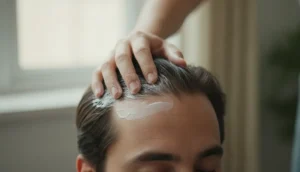
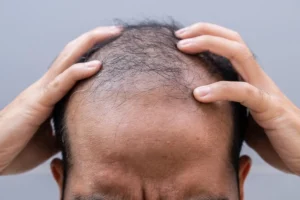
Experiencing post chemo hair growth can feel like a hopeful milestone after months of treatment, but many wonder how long it takes for hair to grow back and what steps can speed up the process. This article explains the biology behind chemotherapy‑induced hair loss, offers natural and medical strategies to support regrowth, and sets realistic expectations for your journey.
According to recent studies, approximately 70% of patients notice some hair regrowth within three to six months after completing chemotherapy. However, the texture, thickness, and speed of growth can vary widely based on the drugs used, individual health, and after‑care practices.
We’ll explore the science of hair follicles, practical tips for nurturing new strands, and safe treatments—including those offered at specialized clinics—so you can make informed decisions and restore your self‑esteem.
Understanding Hair Loss After Chemotherapy
Chemotherapy targets rapidly dividing cells, which unfortunately includes the cells in hair follicles. This leads to the well‑known side effect of chemo hair loss. While the degree of loss varies, most patients experience thinning or complete shedding within weeks of starting treatment.
Key factors influencing hair regrowth after chemo include:
- Type of chemotherapy agents (e.g., taxanes, anthracyclines)
- Dosage and treatment duration
- Individual genetic and hormonal factors
- Overall nutritional status
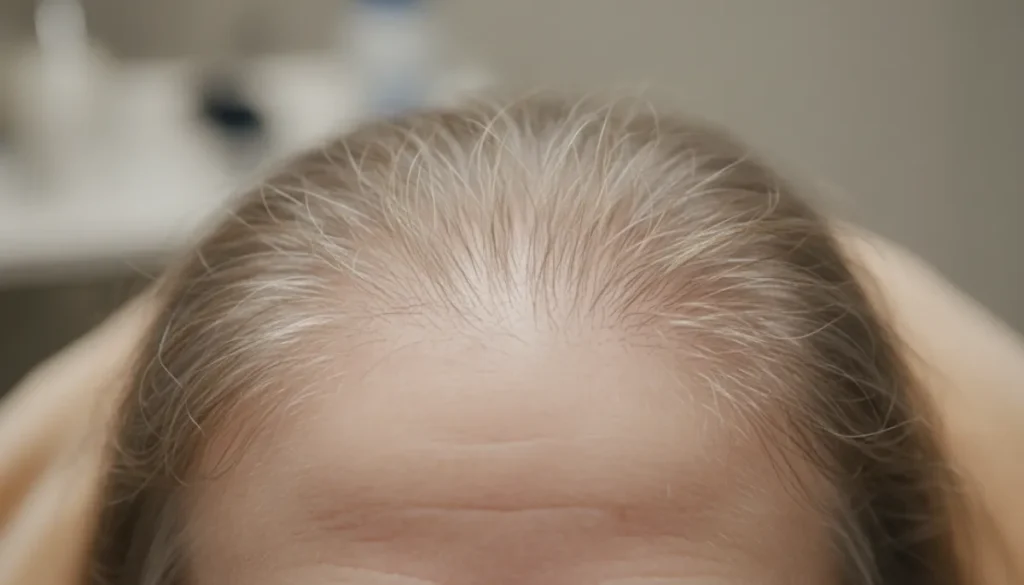
After the chemotherapy cycle ends, the follicles enter a resting phase before re‑entering the growth cycle. This is why many ask, “how long does it take for hair to grow back?” Typically, the first fine, often lighter‑colored hairs appear within 2–4 weeks, with noticeable length after 3–6 months.
Below is a simple timeline illustrating typical stages of hair recovery:
| Time After Treatment | Typical Hair Changes |
|---|---|
| 0–2 weeks | Shedding continues; scalp may feel sensitive |
| 2–4 weeks | First fine “baby hairs” emerge, often lighter |
| 1–3 months | Gradual thickening; texture may differ from pre‑chemo hair |
| 3–6 months | Visible length; many patients see 50‑70% of original volume |
| 6–12 months | Hair approaches pre‑treatment density; some may still notice subtle differences |
Understanding this natural progression helps set realistic goals and reduces anxiety during the regrowth phase.
Natural Ways to Support Hair Regrowth
While the body’s healing mechanisms are powerful, certain lifestyle choices can enhance post chemo hair growth and improve overall scalp health.
Nutrition and Supplements
Hair follicles require a steady supply of protein, vitamins, and minerals. Incorporating the following foods can provide essential building blocks:
- Lean proteins such as fish, poultry, and legumes
- Omega‑3 rich sources like salmon, walnuts, and flaxseeds
- Vitamin‑rich vegetables: spinach, kale, and carrots
- Biotin‑rich foods: eggs, nuts, and sweet potatoes
Some patients find that supplements like biotin, zinc, and vitamin D help, but it’s important to consult your oncologist before adding any new product, especially if you’re on medication.
Scalp Care Practices
Gentle scalp stimulation can promote circulation and encourage follicles to awaken. Consider these low‑risk techniques:
- Soft brushing with a natural‑bristle brush once daily
- Scalp massage using fingertips in circular motions for 5‑10 minutes
- Warm oil treatments (e.g., coconut or jojoba) applied once a week
Avoid harsh chemicals, heat styling, and tight hairstyles that can cause tension on new growth. The question “does radiation cause hair loss” is also relevant for patients receiving combined treatments; radiation can further stress follicles, so extra care is warranted.
Below is a quick reference guide comparing common natural interventions:
| Intervention | Potential Benefit | Safety Considerations |
|---|---|---|
| Biotin Supplement | May strengthen keratin structure | Check for interactions with chemotherapy drugs |
| Scalp Massage | Improves blood flow | Use gentle pressure only |
| Warm Oil Treatment | Moisturizes scalp, reduces dryness | Test for allergic reactions first |
Medical Treatments and Procedures for Post Chemo Hair Growth
When natural methods are insufficient, several medical options can accelerate hair regrowth after chemotherapy. These treatments are typically safe for cancer survivors but should always be discussed with a healthcare professional.
Topical Minoxidil
Minoxidil (2% or 5%) is an FDA‑approved topical solution that widens blood vessels, increasing nutrient delivery to follicles. Studies show that consistent use can improve hair density within 3–6 months. It is generally well‑tolerated, though some users experience mild scalp irritation.
Platelet‑Rich Plasma (PRP) Therapy
PRP involves drawing a small amount of your blood, concentrating platelets, and injecting the serum into the scalp. Growth factors in PRP may stimulate dormant follicles and improve thickness. While not a substitute for a hair transplant, PRP can be a valuable adjunct for those seeking faster results.
Low‑Level Laser Therapy (LLLT)
LLLT devices emit red light that penetrates the scalp, enhancing cellular metabolism. Clinical trials suggest modest improvements in hair count and thickness after regular sessions over several months.
Hair Transplant Options
For patients with permanent follicle loss or those desiring a permanent solution, hair transplant techniques such as Follicular Unit Extraction (FUE) or Direct Hair Implantation (DHI) offer lasting results. Gold City Hair specializes in these procedures, providing a personalized plan that takes into account the unique post‑cancer scalp condition.
Below is a comparison of these medical approaches:
| Treatment | Typical Onset of Results | Duration of Effect | Key Considerations |
|---|---|---|---|
| Minoxidil | 3–6 months | Continuous use required | Potential scalp irritation |
| PRP Therapy | 2–4 months | 6–12 months per session | Requires multiple sessions |
| LLLT | 4–6 months | Ongoing maintenance | Device cost |
| Hair Transplant (FUE/DHI) | 6–12 months | Permanent | Surgical procedure, recovery time |
Lifestyle Tips for Stronger, Healthier Hair
Beyond nutrition and medical interventions, everyday habits play a pivotal role in the quality of post chemo hair growth. Implementing these strategies can help you achieve thicker, more resilient strands.
Stress Management
Elevated cortisol levels from chronic stress can impede hair follicle activity. Practices such as mindfulness meditation, gentle yoga, or even regular walks can lower stress hormones, supporting the regrowth cycle.
Sleep Hygiene
During deep sleep, the body releases growth hormone, which assists tissue repair, including hair follicles. Aim for 7–9 hours of uninterrupted sleep per night.
Avoiding Harsh Styling
While you may be eager to style new hair, limit heat tools, chemical treatments, and tight ponytails. Opt for loose braids or soft headbands to protect delicate strands.
Below is a concise checklist you can keep at bedside:
- Drink at least 8 glasses of water daily
- Include a source of protein in every meal
- Practice 10 minutes of scalp massage each evening
- Use a sulfate‑free, gentle shampoo
- Schedule a weekly relaxation activity
Monitoring Progress and Setting Realistic Expectations
Tracking your journey helps you stay motivated and identify any concerns early. Keep a simple journal noting:
- Date of each observation
- Hair length and density measurements
- Any new symptoms (e.g., itching, redness)
- Treatments or supplements used that week
Remember, “hair falling out with chemo” is often temporary, but some patients experience slower regrowth due to factors like age or the specific chemotherapy regimen. If you notice prolonged stagnation beyond 12 months, consult a dermatologist or a hair restoration specialist to explore advanced options.
Finally, celebrate small milestones—whether it’s the first visible curl, a new shade, or simply feeling more confident. Your perseverance, combined with informed care, will guide you toward full, vibrant hair restoration.
Why Choose Gold City Hair
Gold City Hair has been a leading hair transplant center in Turkey since 2017, offering personalized, transparent care for individuals seeking lasting solutions. Our experts specialize in FUE, DHI, and eyebrow/beard transplants, ensuring each patient receives a tailored plan that respects their medical history, including post‑cancer considerations. With state‑of‑the‑art facilities and a commitment to ethical practice, we help you restore confidence through natural‑looking results.
Ready to start your journey toward healthier hair? Contact Gold City Hair today to schedule a personalized consultation and explore the best options for your post chemo hair growth.
Take the first step toward renewed confidence—your new hair story begins now.
FAQ
How long does it take for hair to grow back after chemotherapy?
Most patients see fine baby hairs within 2–4 weeks and noticeable length after 3–6 months, with full density approaching 6–12 months.
What natural methods can help post chemo hair growth?
A balanced diet rich in protein, omega‑3s, vitamins, scalp massage, gentle brushing, and regular oil treatments support regrowth.
Is minoxidil safe to use after chemotherapy?
Minoxidil is generally considered safe for post‑chemo patients but should be discussed with a doctor to rule out irritation or interactions.
How does PRP therapy aid hair regrowth for cancer survivors?
PRP injects concentrated growth factors into the scalp, stimulating dormant follicles and improving thickness over several months.
Can stress affect post chemo hair regrowth?
Yes, chronic stress raises cortisol, which can slow follicle activity and delay hair regrowth.
When should I consider a hair transplant after chemotherapy?
If permanent follicle loss persists beyond 12 months and other methods haven’t restored satisfactory density, a transplant may be appropriate.