Cisplatin alopecia is a common side effect experienced by patients undergoing cisplatin‑based chemotherapy. While the primary goal of treatment is to target cancer cells, the drug can also affect rapidly dividing cells in hair follicles, leading to noticeable thinning or complete hair loss. Understanding the mechanisms behind this condition, identifying who is most at risk, and exploring practical strategies for managing hair loss are essential steps for anyone facing chemotherapy.
Statistics from oncology studies show that up to 70% of patients receiving cisplatin report some degree of hair loss, making it one of the most distressing side effects alongside nausea and fatigue. This article explains how cisplatin interferes with the hair growth cycle, outlines preventive measures, and reviews the latest options for regaining hair after treatment, including the role of modern hair restoration techniques.
Whether you are currently in the middle of a treatment cycle or looking ahead to post‑chemo recovery, the information below will help you navigate the emotional and physical challenges of cisplatin‑induced hair loss and make informed decisions about care.
How Cisplatin Causes Hair Loss
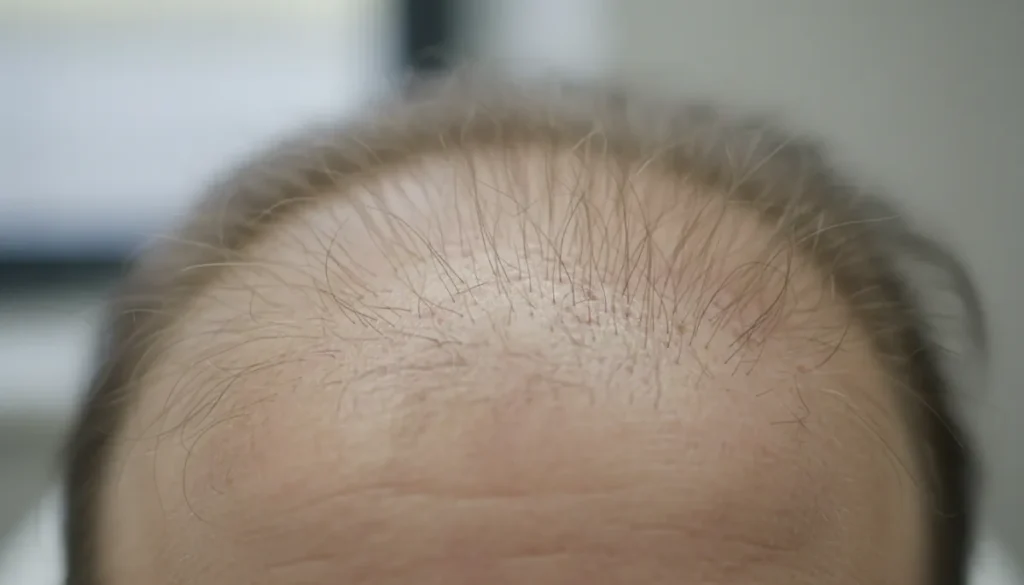
Cisplatin belongs to the class of platinum‑based chemotherapy agents that damage DNA in rapidly dividing cells. Hair follicles are among the fastest‑growing cells in the body, so they become unintended targets. The drug interferes with the anagen (growth) phase, pushing follicles into the catagen (regression) and telogen (resting) phases, which results in shedding.
Key points about the mechanism:
- DNA cross‑linking disrupts cell replication within the follicle matrix.
- Oxidative stress increases inflammatory cytokines that accelerate follicular miniaturization.
- Microvascular damage reduces nutrient delivery to the hair bulb.
These biological effects are similar to other chemo hair loss agents, but cisplatin’s high potency often leads to more pronounced alopecia. The severity can vary based on dosage, treatment schedule, and individual susceptibility.
Below is a simplified comparison of common chemotherapy drugs and their typical alopecia profiles:
| Drug | Alopecia Severity | Typical Onset |
|---|---|---|
| Cisplatin | Moderate to Severe | 2–4 weeks after first cycle |
| Doxorubicin | Severe | 1–3 weeks |
| Paclitaxel | Moderate | 3–5 weeks |
Understanding this process helps patients and clinicians anticipate hair loss timelines and plan supportive care accordingly.
Who Is Most Likely to Experience Cisplatin Alopecia?
Not every patient undergoing cisplatin therapy will lose hair to the same extent. Several factors influence the likelihood and intensity of alopecia:
- Dosage and schedule: Higher cumulative doses increase the risk.
- Age: Younger patients often have more active hair cycles, making them more susceptible.
- Genetic predisposition: Variations in DNA repair genes can affect follicular resilience.
- Nutritional status: Deficiencies in iron, zinc, and protein can exacerbate thinning.
- Concurrent treatments: Combining cisplatin with radiation or other chemotherapeutics can amplify hair loss.
Patients with a history of cisplatin side effects such as nephrotoxicity or neurotoxicity may also notice more pronounced alopecia, as systemic stress compounds follicular damage. Conversely, those receiving lower-dose regimens or protective agents like scalp cooling may experience milder hair shedding.
Clinicians often assess these risk factors before initiating therapy, allowing for personalized counseling about potential hair loss and the availability of preventive measures.
Managing Hair Loss During Cisplatin Treatment
While it is impossible to completely prevent cisplatin alopecia, several strategies can lessen its impact and improve scalp health:
Scalp Cooling (Cryotherapy)
Cold caps reduce blood flow to the scalp during infusion, limiting drug exposure. Clinical trials report a 30‑50% reduction in hair loss severity when cooling is applied correctly.
Gentle Hair Care Routine
Adopt the following practices:
- Use sulfate‑free, mild shampoos.
- Avoid heat styling, tight hairstyles, and harsh brushing.
- Pat dry with a soft towel instead of rubbing.
Nutrition and Supplements
Ensuring adequate intake of protein, biotin, zinc, and omega‑3 fatty acids supports follicular recovery. Some oncologists recommend a multivitamin formulated for chemotherapy patients.
Topical Treatments
Products containing minoxidil have shown modest benefits in maintaining existing hair density during chemo. Always discuss with your oncology team before adding any topical medication.
These measures, combined with emotional support from counseling or patient groups, can make the hair‑loss phase more manageable.
Hair Regrowth After Chemotherapy: What to Expect
Most patients experience some degree of hair regrowth within 3–6 months after completing cisplatin therapy. The new hair may initially be finer or a different texture, but it usually returns to its pre‑treatment state over time.
Key phases of regrowth:
- Early regrowth (1–3 months): Fine, often lighter‑colored vellus hairs appear.
- Intermediate phase (3–6 months): Hair thickens, pigment returns, and density improves.
- Long‑term (6–12 months): Full thickness and natural growth patterns are typically restored.
Factors influencing the speed and completeness of regrowth include age, overall health, and whether any hair regrowth after chemotherapy treatments were used during the alopecia phase. If hair does not return or remains significantly thin, patients may explore medical or surgical options.
Below is a quick reference table summarizing common post‑chemo hair outcomes:
| Outcome | Likelihood | Typical Timeframe |
|---|---|---|
| Full regrowth | 70‑80% | 6–12 months |
| Partial regrowth (thin) | 15‑20% | 3–9 months |
| Persistent alopecia | 5‑10% | 12+ months |
Patients with persistent alopecia can discuss further interventions, including low‑level laser therapy, platelet‑rich plasma (PRP), or surgical hair restoration.
When to Consider Hair Restoration Procedures
For the small percentage of individuals who experience lasting hair loss after cisplatin therapy, surgical options such as Follicular Unit Extraction (FUE) or Direct Hair Implantation (DHI) can provide permanent, natural‑looking results. Gold City Hair, with its expertise in FUE and DHI, offers a personalized approach that evaluates scalp health, donor area density, and aesthetic goals.
Ideal candidates typically meet the following criteria:
- At least 12 months post‑chemotherapy with stable hair loss.
- Healthy donor area with sufficient follicular units.
- No active skin infections or uncontrolled medical conditions.
During the initial consultation, specialists assess the feasibility of a transplant, discuss expected outcomes, and outline a post‑procedure care plan that supports both graft survival and overall scalp wellness.
Choosing a reputable clinic ensures that the procedure aligns with the patient’s recovery timeline and minimizes the risk of complications. For many, a successful transplant not only restores hair but also boosts confidence that may have been affected by the cancer journey.
Why Choose Gold City Hair
Gold City Hair has been delivering advanced hair restoration services in Turkey since 2017. Our team combines the latest FUE and DHI technologies with a compassionate, patient‑focused approach. We prioritize transparent communication, individualized treatment plans, and meticulous post‑operative care to help you achieve natural, lasting results. Whether you are seeking to recover from chemotherapy‑induced hair loss or looking for a permanent solution, our clinic offers expertise you can trust.
Ready to explore your hair‑restoration options after cisplatin treatment? Contact Gold City Hair today for a free, no‑obligation consultation and take the first step toward regaining your confidence.
FAQ
How does cisplatin cause hair loss?
Cisplatin damages DNA in rapidly dividing hair‑follicle cells, pushing them from the growth (anagen) phase into regression (catagen) and resting (telogen) phases, which leads to shedding.
Who is most at risk for cisplatin‑induced alopecia?
Patients receiving higher cumulative doses, younger individuals, those with certain genetic DNA‑repair variants, poor nutrition, or combined radiation/chemo are most susceptible.
What scalp‑care strategies can lessen hair loss during cisplatin therapy?
Use scalp cooling caps, gentle sulfate‑free shampoos, avoid heat styling, maintain a balanced diet, and consider minoxidil under medical supervision.
What is the typical timeline for hair regrowth after completing cisplatin treatment?
Most patients see fine vellus hairs within 1‑3 months, thicker hair by 3‑6 months, and near‑full regrowth by 6‑12 months post‑therapy.
When should a patient consider surgical hair restoration after cisplatin?
If at least 12 months have passed since chemotherapy, hair loss is stable, and the donor area has sufficient healthy follicles, surgical options can be evaluated.