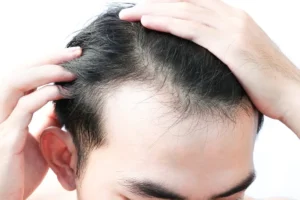
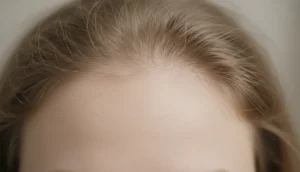
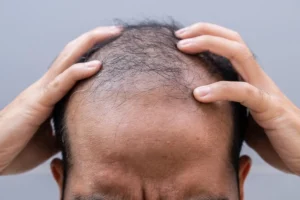
Learning how to regrow hairline naturally is a common goal for many who notice a receding hairline or thinning fringe. Whether you’re dealing with early signs of male pattern baldness, a hormonal shift, or simply want a fuller front line, understanding the science behind hair growth can empower you to make effective, non‑surgical choices. In this article we’ll explore the root causes of hairline recession, the role of nutrition and lifestyle, proven natural remedies, and the scalp‑care habits that support new growth. A recent study showed that up to 40 % of adults experience noticeable hairline thinning by age 30, highlighting the importance of early, proactive care.
We’ll break down practical steps you can start today, backed by clinical research and real‑world experience. From essential vitamins to herbal extracts, each recommendation is chosen for safety and efficacy, so you can confidently pursue a healthier hairline without invasive procedures.
Read on to discover a comprehensive roadmap that blends science, tradition, and everyday habits, helping you achieve a revitalized hairline and renewed self‑confidence.
Understanding the Causes of a Receding Hairline
Before diving into remedies, it’s crucial to identify why a hairline recedes in the first place. The most common factors include genetics, hormonal fluctuations, stress, and nutritional deficiencies. Recognizing the underlying cause allows you to tailor a targeted plan rather than applying generic solutions.
Genetic Predisposition
Family history remains the strongest predictor of a receding hairline. The androgen‑sensitive hair follicles in the frontal region shrink over time, a process known as miniaturization. While genetics cannot be changed, lifestyle adjustments can slow the progression.
Hormonal Influence
Elevated dihydrotestosterone (DHT) levels, often linked to testosterone conversion, accelerate follicle shrinkage. Women may experience similar effects due to hormonal shifts during menopause or thyroid imbalances.
Environmental and Lifestyle Factors
- Chronic stress increases cortisol, which can disrupt the hair growth cycle.
- Smoking reduces blood flow to the scalp, limiting nutrient delivery.
- Excessive heat styling or tight hairstyles cause mechanical stress.
| Factor | Impact on Hairline | Typical Signs |
|---|---|---|
| Genetics | Follicle miniaturization | Gradual thinning at temples |
| Hormones (DHT) | Accelerated shedding | Rapid recession over months |
| Stress | Disrupted growth phase | Diffuse thinning, hair shedding |
Understanding these triggers sets the stage for natural interventions that address the problem at its source.
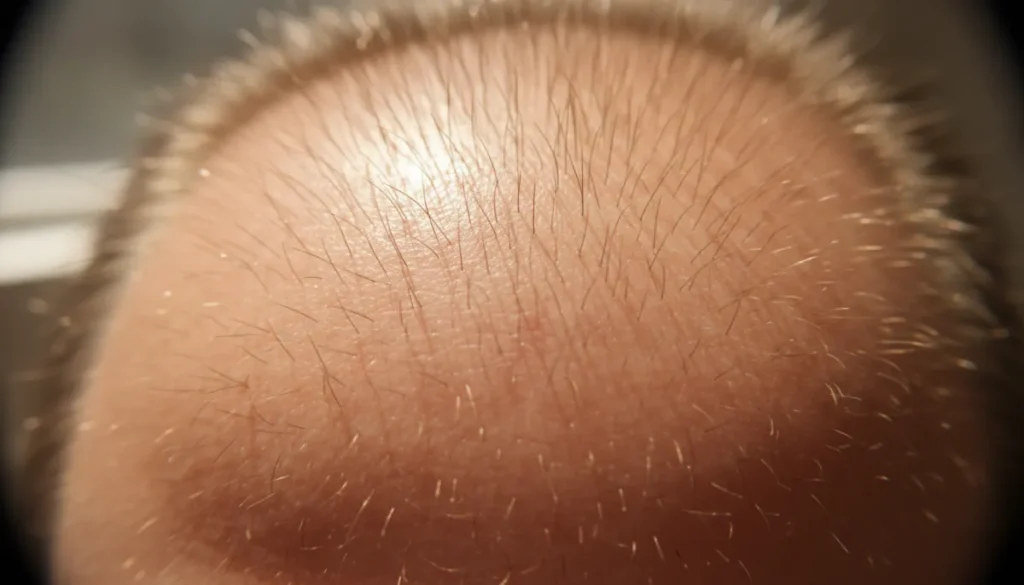
Nutrition and Lifestyle Changes for Hair Growth
What you eat and how you live directly influence the ability of hair follicles to produce new strands. A balanced diet rich in specific vitamins, minerals, and proteins creates an optimal environment for regrowing a hairline naturally.
Key Nutrients for Hair Health
- Biotin (Vitamin B7): Supports keratin production; found in eggs, nuts, and salmon.
- Vitamin D: Modulates hair follicle cycling; sunlight exposure and fortified foods are essential.
- Iron: Prevents anemia‑related shedding; sources include leafy greens and legumes.
- Zinc: Reduces inflammation around follicles; present in pumpkin seeds and oysters.
- Omega‑3 Fatty Acids: Improve scalp circulation; abundant in flaxseed oil and fatty fish.
Lifestyle Practices that Boost Circulation
Regular aerobic exercise enhances blood flow, delivering oxygen and nutrients to the scalp. Even a 30‑minute brisk walk three times a week can make a measurable difference. Additionally, practicing stress‑reduction techniques such as meditation, yoga, or deep‑breathing exercises helps keep cortisol levels in check, protecting the hair growth cycle.
Sample Daily Meal Plan
| Meal | Components | Hair‑Boosting Benefits |
|---|---|---|
| Breakfast | Greek yogurt, mixed berries, chia seeds | Protein, antioxidants, omega‑3s |
| Lunch | Grilled salmon, quinoa, spinach salad | Biotin, iron, vitamin D |
| Dinner | Lean turkey, sweet potatoes, broccoli | Zinc, vitamin A, complex carbs |
| Snack | Almonds & dark chocolate | Magnesium, antioxidants |
Adopting these nutritional habits not only supports overall health but also creates a fertile ground for the hair follicles at the front of the scalp to re‑enter the growth phase.
Proven Natural Remedies and Treatments
When it comes to how to regrow hairline naturally, several botanical extracts and over‑the‑counter products have demonstrated efficacy in clinical trials. While results vary per individual, these options are widely regarded as safe and accessible.
Essential Oils
Rosemary, peppermint, and lavender oils stimulate scalp circulation and possess anti‑inflammatory properties. Dilute 3–5 drops in a carrier oil (such as jojoba) and massage gently into the frontal scalp for 5 minutes, three times a week.
Herbal Supplements
- Saw Palmetto: Inhibits DHT conversion, helping to protect follicles.
- Ginkgo Biloba: Improves micro‑circulation, delivering nutrients to hair roots.
- Green Tea Extract: Rich in catechins that reduce oxidative stress.
Topical Natural Products
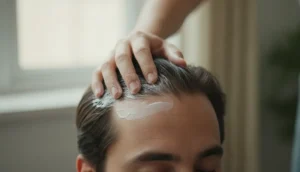
Products containing caffeine, niacinamide, or peptide complexes can enhance follicle activity. Look for formulations that specifically mention “frontal hairline” or “receding hairline” in the description.
DIY Scalp Mask
Blend 2 tbsp of aloe vera gel, 1 tbsp of honey, and 3 drops of rosemary oil. Apply to the hairline, leave for 30 minutes, then rinse with lukewarm water. This mask supplies moisture, antioxidants, and a mild stimulating effect.
While natural remedies are valuable, consistency is key. Most users notice subtle improvements after 8–12 weeks of regular application.
Scalp Care Techniques to Stimulate Growth
Beyond nutrition and topical treatments, the way you treat your scalp can dramatically affect the success of natural hairline regrowth. Gentle, consistent care maintains a healthy environment for follicles to thrive.
Scalp Massage
Using fingertips, massage the frontal scalp in circular motions for 5–10 minutes daily. This practice boosts blood flow, encourages the delivery of oxygen and nutrients, and can reduce tension that may impede follicle activity.
Exfoliation
Dead skin cells can clog hair follicles, especially around the hairline where products tend to accumulate. A gentle scalp scrub made from sugar and coconut oil, used once a week, helps keep pores clear.
Low‑Level Laser Therapy (LLLT)
While not a traditional “natural” method, handheld LLLT devices emit red light that has been shown to increase cellular metabolism in hair follicles. When used alongside herbal treatments, many patients report accelerated regrowth.
Heat‑Free Styling
Avoid high‑heat tools on the hairline. If you must use a blow dryer, select a cool‑air setting and keep the nozzle at least 6 inches away to prevent follicle damage.
Integrating these scalp‑care habits into your routine creates a supportive platform for the natural remedies discussed earlier, maximizing the chances of successfully regrowing your hairline.
When to Consider Professional Help
Even with diligent natural efforts, some individuals may reach a point where additional intervention is advisable. Recognizing the signs that it’s time to consult a specialist can prevent further loss and open pathways to more definitive solutions.
Red Flags
- Rapid hairline recession over a few months despite consistent natural care.
- Visible scalp exposure at the temples or crown.
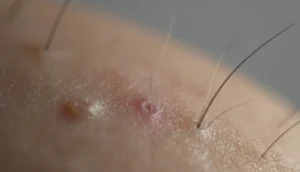
- Accompanying symptoms such as itching, scaling, or sudden shedding.
Medical Options Overview
Procedures such as Follicular Unit Extraction (FUE) and Direct Hair Implantation (DHI) performed by experienced clinics like Gold City Hair provide permanent restoration with minimal downtime. These techniques transplant healthy follicles from the donor area to the frontal hairline, delivering natural‑looking density.
Combining Natural and Surgical Approaches
Many patients achieve optimal results by preparing the scalp with natural nutrients and scalp‑care before undergoing a transplant. A well‑conditioned scalp can improve graft survival and overall outcome.
If you’re unsure whether natural methods alone will suffice, a professional evaluation can clarify the best course of action tailored to your unique hairline pattern.
Why Choose Gold City Hair
Gold City Hair has been delivering trusted hair restoration solutions in Turkey since 2017. Our clinic specializes in advanced techniques such as FUE and DHI, ensuring precise, minimally invasive procedures with natural‑looking results. We prioritize personalized care, transparent communication, and a supportive environment, helping clients regain confidence through expertly restored hairlines.
Ready to transform your hairline and boost your confidence? Contact Gold City Hair today for a personalized consultation and discover the most effective path—whether natural strategies or a professional transplant.
Take the first step toward a fuller, healthier hairline now.
FAQ
What are the main causes of a receding hairline?
Genetics, hormonal changes (especially DHT), stress, nutritional deficiencies, and lifestyle factors like smoking and heat styling can cause a receding hairline.
Which nutrients are most important for natural hairline regrowth?
Biotin, vitamin D, iron, zinc, and omega‑3 fatty acids are key nutrients that support hair follicle health and growth.
How can essential oils be used to stimulate hairline growth?
Mix 3–5 drops of rosemary, peppermint, or lavender oil with a carrier oil and massage into the frontal scalp three times a week.
What scalp care techniques help improve natural hairline regrowth?
Regular scalp massage, gentle exfoliation, low‑level laser therapy, and heat‑free styling are effective scalp care practices.
When should someone consider professional hair restoration instead of natural methods?
If rapid recession, visible scalp exposure, or persistent shedding occurs despite consistent natural care, a professional evaluation is advised.