One week after a hair transplant, many patients wonder how the grafts are healing and what visible changes they might notice. Understanding the hair transplant after 1 week stage helps you manage expectations, follow proper care, and avoid complications that could affect long‑term results. Within the first 7 days, the transplanted follicles are establishing a secure connection with the scalp, while the surrounding tissue undergoes a natural inflammatory response.
According to clinical observations, approximately 90% of patients experience mild scabbing and redness during this period, which are normal signs of the body’s healing process. However, the degree of discomfort varies based on individual factors such as skin type, the density of grafts, and post‑operative care routines. By staying informed and adhering to recommended guidelines, you can ensure a smooth transition from the immediate postoperative phase to the longer‑term growth cycle.
In this article we’ll walk you through the typical symptoms, recommended grooming practices, activity restrictions, and early visual cues you can expect during the hair transplant after 1 week period. Armed with this knowledge, you’ll feel confident in supporting your new hair follicles and setting the foundation for successful, natural‑looking results.
Healing Process in the First Week: Scabs, Redness, and Tissue Response
The initial seven days are crucial for graft survival. After the procedure, the scalp may appear pink or slightly reddened, and tiny scabs form around each transplanted follicle. This is a natural part of the healing cascade, as the body works to seal the micro‑incisions created during the extraction and implantation.
Key signs of normal healing include:
- Light to moderate redness that gradually fades after 3–5 days.
- Fine crusts (scabs) that protect the grafts; these typically fall off on their own between days 5 and 10.
- Mild swelling around the donor area, especially if a large strip was taken for FUT procedures.
It’s important to avoid picking at scabs, as premature removal can dislodge grafts and lead to patchy growth. Instead, let them detach naturally while keeping the scalp clean.
Below is a quick comparison of what to expect during week 1 versus week 2:
| Aspect | Week 1 | Week 2 |
|---|---|---|
| Redness | Visible, especially around graft sites | Significant reduction |
| Scabs | Present, begin to loosen | Most scabs fall off |
| Swelling | Common, especially donor area | Usually subsides |
| Discomfort | Mild to moderate, managed with prescribed medication | Minimal |
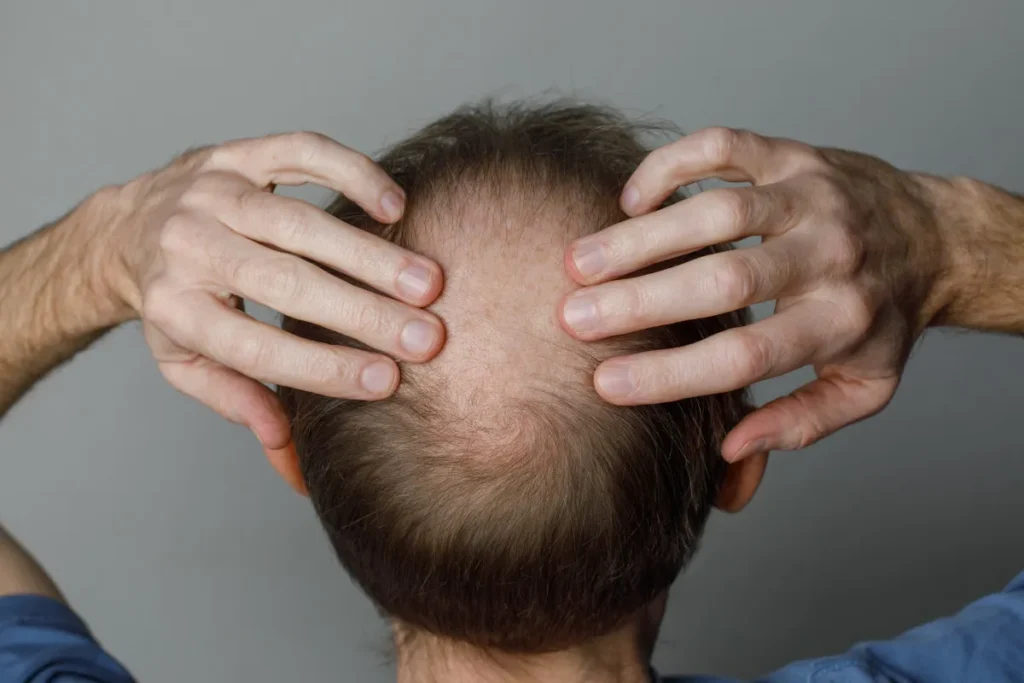
Washing and Grooming Guidelines at One Week
Proper cleansing is essential to prevent infection while preserving the delicate grafts. Most surgeons recommend a gentle shampoo routine starting 48 hours post‑surgery, but the technique changes slightly at the one‑week mark.
Steps for safe washing:
- Use lukewarm water to avoid shocking the scalp.
- Apply a mild, sulfate‑free shampoo in a light, circular motion—do not scrub directly over graft sites.
- Rinse thoroughly, allowing water to flow from the front to the back of the head, minimizing pressure on the transplanted area.
- Pat the scalp dry with a soft towel; avoid rubbing.
- Apply any prescribed topical antibiotics or soothing serums as directed.
After the first week, you may notice that some scabs start to detach during washing. This is normal; however, if you see excessive bleeding or large patches of skin coming off, contact your clinic immediately.
Below is a concise checklist you can keep handy during your daily routine:
- Temperature: Lukewarm (30‑35°C)
- Shampoo type: Sulfate‑free, pH‑balanced
- Technique: Gentle circular motion, no direct pressure
- Drying: Pat, don’t rub
- Follow‑up: Apply prescribed ointment
Activity Restrictions and When to Resume Normal Life
During the first week, the scalp is still fragile, and certain activities can jeopardize graft stability. While many patients feel eager to return to work or exercise, adhering to activity guidelines ensures optimal graft survival.
Recommended restrictions for the first seven days:
- Avoid strenuous exercise, heavy lifting, or any activity that causes excessive sweating.
- Refrain from direct sun exposure; wear a loose‑fitting hat if you must be outdoors.
- Skip sauna, steam rooms, and hot tubs, as high humidity can loosen scabs.
- Do not wear tight headgear, helmets, or caps that press against the grafted area.
- Limit alcohol consumption, as it can increase swelling.
Most patients can safely resume light activities, such as short walks, after the first 48‑72 hours, provided they avoid sudden movements that could tug on the scalp. By day 7, many are cleared for moderate exercise like stationary cycling, but it’s advisable to keep the intensity low and stay hydrated.
The table below outlines a typical activity timeline:
| Day | Allowed Activities | Restrictions |
|---|---|---|
| 1‑3 | Light walking, gentle stretching | Avoid sweating, no headgear |
| 4‑7 | Stationary bike, light yoga | No heavy lifting, no direct sun |
| 8‑10 | Moderate cardio, easy jogging | Monitor for swelling, keep head elevated |
Early Visual Changes: What You Can See After One Week
While the transplanted hairs are not yet visible, the scalp’s appearance provides clues about the healing quality. Most patients notice that the transplanted area looks slightly darker due to scabbing, and the donor site may show small crusts if a strip was taken.
It’s common to experience a phenomenon called “shock loss,” where existing hairs around the grafts temporarily shed. This is a normal response and usually resolves within the first month, making way for new growth that becomes apparent around the 3‑month mark.
Typical observations at the one‑week milestone:
- Scabs covering each graft—these will naturally fall off.
- Minor redness that fades gradually.
- Possible temporary thinning (shock loss) of surrounding hairs.
- Donor area may appear slightly pink or raw, especially after FUT.
Patience is key; the real transformation begins after the first month when the grafts enter the growth phase. Maintaining the care routine outlined above will support healthy follicle development and minimize the risk of complications.
Common Concerns and When to Contact Your Surgeon
Even with meticulous care, some patients experience issues that warrant professional attention. Recognizing warning signs early can prevent more serious complications.
Red flags to watch for:
- Excessive bleeding or large patches of skin separating from the scalp.
- Severe pain that does not improve with prescribed medication.
- Fever, chills, or signs of infection such as pus or foul odor.
- Sudden, extensive swelling beyond the donor area.
- Any grafts visibly displaced or missing.
If you encounter any of these symptoms, contact your clinic immediately—most surgeons provide a dedicated post‑operative line for urgent queries. For routine concerns like mild itching or slight discoloration, you can usually wait until your scheduled follow‑up, but do not hesitate to ask for clarification.
Below is a quick decision‑making flow for post‑operative concerns:
| Symptom | Urgency | Suggested Action |
|---|---|---|
| Minor itching | Low | Use prescribed soothing serum; monitor |
| Persistent redness > 5 days | Medium | Call clinic for advice |
| Bleeding or graft loss | High | Seek immediate medical attention |
Why Choose Gold City Hair
Gold City Hair has been delivering personalized hair restoration solutions in Turkey since 2017. Our clinic specializes in advanced FUE and DHI techniques, ensuring minimal scarring and natural‑looking results. With a focus on transparent communication, we guide each patient through every stage of the hair transplant after 1 week journey, providing tailored after‑care instructions and ongoing support. Trust a team that combines clinical expertise with a commitment to your confidence and satisfaction.
Ready to start your transformation? Contact Gold City Hair today to schedule a personalized consultation and take the first step toward lasting confidence.
FAQ
What are the normal signs of healing one week after a hair transplant?
Typical signs include mild redness, fine scabs around each graft, and slight swelling, especially around the donor area.
How should I wash my scalp during the first week post‑hair transplant?
Use lukewarm water, a mild sulfate‑free shampoo, gentle circular motions, and pat dry with a soft towel.
When can I resume exercise after a hair transplant?
Light walking can start after 48‑72 hours; moderate exercise like stationary cycling is usually safe by day 7.
What is shock loss and should I be worried about it after one week?
Shock loss is temporary shedding of existing hairs around grafts and is a normal response that usually resolves within a month.
Which symptoms after one week require immediate contact with my surgeon?
Excessive bleeding, large skin patches separating, severe pain, fever, pus, or visible graft displacement are red‑flag signs.





