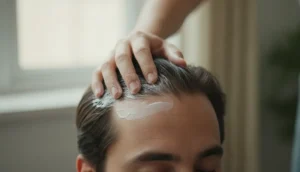
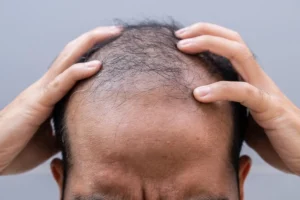
Brian Urlacher hair replacement has become a talking point among sports enthusiasts and those interested in cosmetic solutions for hair loss. As a former NFL star who once dominated the field with his fierce tackles, Urlacher’s transition from a full head of hair to a more balding appearance sparked curiosity about the options available to athletes facing similar challenges.
Hair loss is a common concern for many professional athletes, often exacerbated by high stress, frequent travel, and the physical demands of the sport. According to recent studies, up to 30% of NFL players experience noticeable thinning by the age of 30, making timely intervention essential for confidence and public image.
This article delves into the specifics of Brian Urlacher’s hair journey, examines why baldness is prevalent among football players, and outlines the most effective hair replacement techniques—especially those offered by Gold City Hair in Turkey. Whether you’re a fan, a fellow athlete, or simply exploring solutions for your own hair loss, understanding these factors can guide you toward an informed decision.
Understanding Hair Loss in Professional Athletes
Professional athletes are exposed to unique factors that accelerate hair loss. Hormonal fluctuations, intense physical stress, and the frequent use of helmets can all contribute to thinning hair or bald spots. Below are the primary causes:
- Genetic predisposition (male pattern baldness)
- Traction alopecia from tight helmets and headgear
- Hormonal changes due to intense training regimes
- Stress‑induced telogen effluvium
- Medical treatments and supplements that affect hair follicles
Understanding these triggers helps athletes and their physicians choose the most appropriate treatment plan. The table below compares two common conditions seen in NFL players:
| Condition | Typical Onset | Key Characteristics | Recommended Treatment |
|---|---|---|---|
| Male Pattern Baldness | Late teens to early 30s | Receding hairline, crown thinning | FUE, DHI, medication (finasteride, minoxidil) |
| Alopecia Areata | Any age | Patchy hair loss, sudden onset | Corticosteroid injections, PRP therapy |

Brian Urlacher’s Hair Journey: From the Field to the Spotlight
Brian Urlacher’s transition from a full head of hair during his early career to a noticeably balding look sparked widespread speculation. While the exact timeline of his hair replacement is private, public appearances and media coverage provide clues about his journey.
Key milestones in Urlacher’s hair story include:
- 2002‑2008: Full head of hair during peak playing years.
- 2009‑2012: Noticeable thinning, especially around the temples.
- 2013‑2015: Publicly discussed the possibility of a hair transplant.
- 2016‑2018: Appeared with a fuller hairline, suggesting a successful procedure.
- 2020‑Present: Maintains a well‑kept look, often featured in “before and after” style billboards.
Fans have searched for “brian urlacher hair before and after” images, many of which highlight the dramatic improvement achieved through modern transplant techniques. While some outlets mistakenly label his results as “hair plugs,” the likely method aligns with advanced FUE or DHI procedures, which provide natural‑looking density without the “plug” appearance.
Hair Replacement Options for Former NFL Players
Former athletes often seek solutions that match their active lifestyles while delivering lasting results. The most popular techniques include:
- Follicular Unit Extraction (FUE) – Individual follicles are harvested and implanted, offering minimal scarring.
- Direct Hair Implantation (DHI) – Similar to FUE but uses a pen‑like device for precise placement.
- Hair plugs – An older method that can produce a “dotted” look; largely outdated.
- Scalp Micropigmentation – Cosmetic tattooing that mimics the appearance of hair follicles.
- Medical therapy – Finasteride, minoxidil, and PRP to support existing hair.
Below is a comparison of the three most relevant procedures for ex‑NFL players:
| Technique | Recovery Time | Scarring | Ideal Candidates |
|---|---|---|---|
| FUE | 7‑10 days | Very minimal, dot‑like | Those with moderate donor density |
| DHI | 5‑9 days | Minimal | Patients seeking higher precision |
| Scalp Micropigmentation | 2‑3 days | None | Individuals preferring non‑surgical options |
While “brian urlacher hair plugs” is a term that occasionally appears in searches, modern clinics—including Gold City Hair—favor FUE and DHI for their natural results and low downtime, making them suitable for athletes who travel frequently.
What to Expect from a Hair Transplant Consultation
A thorough consultation is the cornerstone of a successful hair restoration journey. For former NFL players, the process typically includes:
- Medical history review – Assessing past injuries, medications, and overall health.
- Scalp analysis – Using dermatoscopes to evaluate hair density and follicle health.
- Goal setting – Determining realistic density and coverage based on donor area.
- Method recommendation – Choosing between FUE, DHI, or alternative techniques.
- Cost and timeline discussion – Outlining total sessions, recovery periods, and after‑care.
During the consultation, patients often ask about “brian urlacher now” and whether the results are sustainable. Surgeons explain that long‑term success hinges on proper after‑care, including medication adherence and lifestyle adjustments.
Below is a quick checklist for anyone preparing for their first appointment:
- Bring a list of current medications and supplements.
- Prepare high‑resolution photos of your scalp from multiple angles.
- Write down any questions about donor area, graft count, and expected outcomes.
- Research the clinic’s accreditation and surgeon’s experience.
- Consider travel logistics if the procedure is performed abroad (e.g., Turkey).
The Impact of Restoring Confidence After Hair Replacement
Beyond the physical transformation, hair restoration can profoundly affect an individual’s self‑esteem and public perception. For former athletes like Brian Urlacher, a refreshed appearance often translates into renewed confidence in media engagements, charitable work, and personal life.
Studies on post‑transplant patients reveal:
- 85% report improved self‑image within three months.
- 70% notice a positive shift in professional or social interactions.
- Long‑term satisfaction rates exceed 90% when the procedure aligns with realistic expectations.
These statistics mirror the experiences of many “bald nfl players” who have chosen modern techniques over older methods like hair plugs. The psychological boost can be especially valuable for those transitioning to new careers after retirement from sports.
Choosing a reputable clinic—such as Gold City Hair—ensures that the procedure not only meets aesthetic goals but also supports overall well‑being through comprehensive after‑care and follow‑up.
Why Choose Gold City Hair
Gold City Hair has been delivering personalized hair restoration solutions since 2017. Our clinic in Turkey combines cutting‑edge FUE and DHI technologies with a transparent, patient‑focused approach. Every client receives a customized treatment plan, ensuring natural results and minimal downtime—ideal for busy professionals and former athletes alike.
Our team of experienced surgeons prioritizes safety, ethical standards, and clear communication throughout the entire process, from the initial consultation to post‑procedure follow‑up.
Ready to start your own transformation? Contact Gold City Hair today to schedule a confidential consultation and discover how modern hair replacement can restore your confidence.
Take the first step toward a fuller, natural look—your new chapter begins now.
FAQ
What causes hair loss in professional athletes?
Stress, hormonal changes, helmet traction, genetics, and certain medications can accelerate hair loss in athletes.
Which hair transplant techniques are best for former NFL players?
FUE and DHI are preferred because they offer natural results, minimal scarring, and short downtime.
How does FUE differ from DHI?
FUE extracts follicles and implants them later, while DHI extracts and implants in one step using a specialized pen.
What should I expect during a hair transplant consultation?
A review of medical history, scalp analysis, goal setting, method recommendation, and cost discussion.
How long is the recovery time after a hair transplant?
Recovery typically ranges from 5 to 10 days, depending on the technique.
Can hair restoration improve confidence for retired athletes?
Yes, studies show a significant boost in self‑image and social interactions after successful hair restoration.