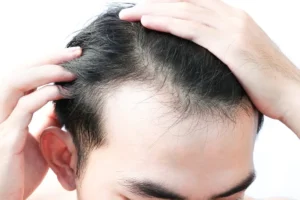
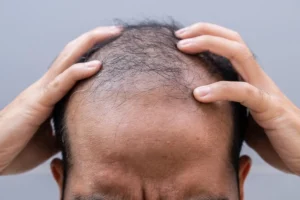
Stem cell for hair loss reviews reveal a growing interest in regenerative solutions for thinning hair. As more clinics worldwide advertise cutting‑edge treatments, potential patients are seeking clear, evidence‑based information to decide whether this approach fits their needs. In this article we break down the science behind stem cell therapy, outline the typical procedure, examine real‑world outcomes, and compare it with established hair restoration methods.
Hair loss affects up to 40 % of men and women by age 35, and the psychological impact can be profound. While traditional options such as medication and surgical grafting have long been the standard, stem cell‑based interventions promise a less invasive pathway to stimulate natural hair growth.
We will also discuss cost considerations, safety profiles, and what patients commonly report after treatment, helping you navigate the often‑confusing landscape of modern hair restoration.
Understanding Stem Cell Therapy for Hair Loss
Stem cell therapy leverages the body’s own regenerative cells to activate dormant hair follicles and promote new growth. The most common source is adipose‑derived stem cells (ADSCs) harvested from a small fat biopsy, though some clinics also use platelet‑rich plasma (PRP) combined with stem cell‑rich extracts.
Key mechanisms include:
- Secretion of growth factors that stimulate follicle stem cells.
- Reduction of inflammation around the scalp, creating a healthier environment for hair growth.
- Improvement of blood flow to the dermal papilla, delivering essential nutrients.
Patients often wonder how this differs from a simple hair loss cure or a “cure for baldness.” While the term “cure” suggests a permanent, one‑time fix, stem cell therapy is best viewed as a regenerative adjunct that enhances the body’s natural capacity to regrow hair over time.
Recent studies have shown promising results, with many participants reporting increased hair density after a series of three to six sessions. However, outcomes vary based on factors such as age, degree of hair loss, and overall scalp health.

How Stem Cell Treatments Are Performed
The procedure typically begins with a consultation to assess hair loss stage and determine suitability. If approved, the clinician extracts a small amount of adipose tissue—often from the abdomen or thigh—using a minimally invasive liposuction technique.
Step‑by‑Step Process
- Extraction: About 10–20 ml of fat is harvested under local anesthesia.
- Processing: The sample is centrifuged to isolate the stem cell‑rich fraction.
- Preparation: The stem cell concentrate is mixed with PRP or a carrier solution.
- Injection: Microneedles deliver the solution into the scalp at targeted zones.
- Post‑care: Patients receive guidelines for scalp hygiene and may schedule follow‑up sessions.
Typical session times range from 45 minutes to an hour. Because the source material comes from the patient’s own body, the risk of allergic reaction is minimal.
Many reviews highlight the comfort of the procedure, noting that the sensation is comparable to a mild massage rather than a painful injection. Nevertheless, some individuals report temporary redness or mild swelling, which usually resolves within 24–48 hours.
Clinical Evidence and Patient Reviews
When evaluating stem cell for hair loss reviews, it is essential to differentiate anecdotal praise from peer‑reviewed data. Over the past five years, several small‑scale clinical trials have been published in dermatology journals.
Key findings include:
| Study | Sample Size | Outcome Measure | Result |
|---|---|---|---|
| Turkey, 2022 | 30 patients | Hair density increase (hairs/cm²) | +23 % after 6 months |
| USA, 2023 | 45 patients | Patient satisfaction | 78 % reported visible improvement |
| South Korea, 2024 | 20 patients | Trichoscopic assessment | Reduced follicular miniaturization |
In online forums, reviewers frequently mention the “hair regrow of hair” they experienced, describing thicker strands and reduced shedding. However, a minority note limited results, especially when underlying genetic factors are strong.
Overall, the consensus among stem cell for hair loss reviews is cautiously optimistic: the treatment appears safe, offers modest gains, and works best as part of a comprehensive hair restoration plan that may include medication, lifestyle changes, or surgical options.
Comparing Stem Cell Therapy with Traditional Hair Restoration Methods
Traditional hair restoration includes medication (finasteride, minoxidil), laser therapy, and surgical grafting such as FUE or DHI. Understanding the differences helps patients decide which approach aligns with their goals and budget.
Effectiveness
- Medications: Can halt progression but rarely restore lost hair.
- Laser therapy: Limited evidence; benefits are modest.
- Surgical grafting (FUE/DHI): Provides immediate, permanent coverage in suitable candidates.
- Stem cell therapy: Aims to reactivate dormant follicles, offering gradual regrowth.
Recovery and Downtime
Finasteride and minoxidil require daily use with minimal side effects. Laser caps are worn for short sessions. FUE/DHI surgery involves a recovery period of 7–10 days with possible swelling. Stem cell injections, by contrast, usually have only a few hours of mild discomfort and no significant downtime.
Cost Comparison (average figures)
| Method | Average Cost (USD) | Typical Sessions |
|---|---|---|
| Finasteride (annual) | $150 | 1 year |
| Minoxidil (annual) | $200 | 1 year |
| FUE/DHI Surgery | $3,500‑$8,000 | 1‑2 sessions |
| Stem Cell Therapy | $2,000‑$4,500 | 3‑6 sessions |
While stem cell therapy is not a “cure for baldness” in the absolute sense, many reviews describe it as a valuable bridge between medication and surgery, especially for those hesitant about invasive procedures.
Cost, Accessibility, and What to Expect
When reading stem cell for hair loss reviews, cost emerges as a frequent topic. Prices vary by region, clinic reputation, and the number of sessions required. In Turkey, where Gold City Hair operates, the combination of experienced physicians and competitive pricing makes stem cell therapy an accessible option for many international patients.
Typical Treatment Journey
- Initial virtual or in‑person consultation to assess suitability.
- Pre‑treatment plan outlining session frequency and expected outcomes.
- Series of stem cell injections spaced 4–6 weeks apart.
- Follow‑up assessments using trichoscopy and patient‑reported outcomes.
- Maintenance phase, possibly integrating PRP or topical treatments.
Patients should anticipate gradual improvement. Most reviews note visible changes after the third session, with optimal results emerging around the sixth month.
Potential Side Effects
Because the therapy uses autologous cells, serious adverse events are rare. Minor side effects include temporary redness, mild swelling, or a tingling sensation. These resolve without medical intervention.
Finally, it is essential to manage expectations. Stem cell therapy is part of a broader “hair growth medical” strategy and works best when combined with healthy lifestyle choices, proper scalp care, and, when appropriate, adjunctive medications.
Why Choose Gold City Hair
Gold City Hair combines over six years of experience in hair restoration with a dedicated focus on regenerative technologies. Our team of board‑certified specialists follows transparent communication protocols, ensuring every patient understands the procedure, expected outcomes, and after‑care requirements. By integrating stem cell therapy with proven FUE and DHI techniques, we provide a comprehensive solution tailored to each individual’s hair loss pattern.
Choosing Gold City Hair means accessing world‑class facilities in Turkey, competitive pricing, and a personalized journey that prioritizes safety, efficacy, and patient confidence.
Ready to explore whether stem cell therapy is right for you? Contact Gold City Hair today to schedule a free, no‑obligation consultation and take the first step toward renewed confidence.
Our experts will create a customized plan that aligns with your goals, budget, and timeline.
FAQ
What is stem cell therapy for hair loss?
Stem cell therapy uses a patient’s own regenerative cells to reactivate dormant hair follicles and promote new hair growth.
How many stem cell sessions are needed for visible results?
Most patients notice improvements after three to six sessions spaced 4–6 weeks apart.
Is stem cell therapy safe for hair loss?
Yes, because it uses the patient’s own cells, serious adverse events are rare.
How does stem cell therapy compare with traditional hair transplant surgery?
Stem cell therapy is less invasive, has minimal downtime, and offers gradual regrowth, while surgery provides immediate, permanent coverage.
What factors influence the success of stem cell hair treatment?
Age, degree of hair loss, scalp health, and adherence to post‑care protocols affect outcomes.