When hair follicles become inflamed or damaged, many patients turn to cortisone shots for hair loss as a targeted medical option. These injections deliver a potent anti‑inflammatory steroid directly into the scalp, aiming to halt the progression of certain types of alopecia. Understanding the science, candidacy criteria, and procedural details can help you decide if this treatment aligns with your goals for regaining confidence and a fuller head of hair.
Hair loss affects up to 40 % of men and 30 % of women worldwide, with autoimmune conditions like alopecia areata accounting for a significant portion of cases. While surgical solutions such as FUE or DHI provide permanent restoration, they are not always appropriate for inflammatory hair loss. Corticosteroid therapy offers a non‑surgical alternative that can reduce inflammation, promote regrowth, and serve as a bridge to other treatments.
In this article we will explore how cortisone injections work, who is most likely to see results, what the procedure entails, potential risks, and how this approach stacks up against other hair loss therapies available at Gold City Hair.
How Cortisone Injections Work to Combat Hair Loss
Corticosteroids, the active agents in cortisone shots, mimic the body’s natural glucocorticoids. When injected into affected scalp areas, they suppress the immune response that mistakenly attacks hair follicles. This reduction in inflammation creates a more favorable environment for follicles to re‑enter the growth phase (anagen) and produce new hair shafts.
Key mechanisms include:
- Inhibition of T‑cell activity that targets follicular antigens.
- Decrease in pro‑inflammatory cytokines such as interleukin‑2 and tumor necrosis factor‑α.
- Stabilization of the hair cycle, allowing dormant follicles to resume growth.
Clinical studies on corticosteroid for alopecia areata have shown regrowth rates ranging from 30 % to 60 % after a series of injections, especially when treatment begins early in the disease course. The effectiveness varies depending on the extent of scalp involvement, the specific formulation used (e.g., triamcinolone acetonide), and the skill of the practitioner.
While cortisone shots are most commonly associated with alopecia areata, they can also benefit patients with other inflammatory conditions such as lichen planopilaris or traction alopecia, where inflammation plays a central role.
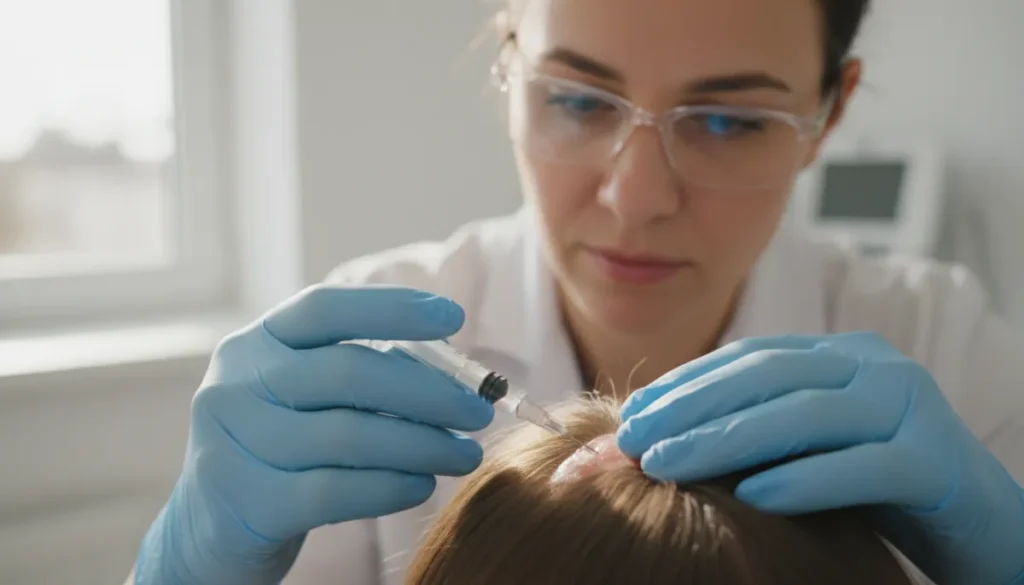
Who Can Benefit from Cortisone Shots?
Not every type of hair loss responds to steroid therapy. The primary candidates for cortisone injections for hair loss are individuals with autoimmune‑driven or inflammation‑related alopecia. Below is a quick guide to determine suitability.
| Condition | Inflammatory Component | Typical Response to Cortisone |
|---|---|---|
| Alopecia Areata | High | 30‑60 % regrowth after 3‑6 sessions |
| Androgenetic Alopecia (Pattern Baldness) | Low | Limited; usually combined with other therapies |
| Lichen Planopilaris | Moderate‑High | Improved inflammation, variable hair regrowth |
| Scarring Alopecia | Variable | Often minimal; may require surgical options |
Patients with early‑stage alopecia areata often experience the most noticeable benefits. Women and men alike can be candidates, though dosage and injection intervals may differ based on scalp thickness and hormone considerations.
Before proceeding, a thorough dermatological assessment—including scalp biopsy in ambiguous cases—ensures that cortisone shots are the appropriate choice and helps rule out contraindications such as active infections or uncontrolled diabetes.
Procedure Overview: What to Expect During a Cortisone Shot Session
The treatment process is straightforward but requires careful preparation to maximize comfort and efficacy. Below is a step‑by‑step outline of a typical session.
- Consultation and Assessment: The clinician evaluates the pattern of hair loss, reviews medical history, and determines injection sites.
- Preparation: The scalp is cleansed with an antiseptic solution. A topical anesthetic may be applied to minimize discomfort.
- Injection: Using a fine gauge needle (usually 30‑32 G), the practitioner injects a measured dose of cortisone into the dermal layer at each target area. The number of injection points varies from 5 to 20 per session.
- Post‑Procedure Care: Patients receive instructions on avoiding vigorous washing, excessive sun exposure, and applying any prescribed topical steroids or moisturizers.
- Follow‑Up: A follow‑up visit is scheduled 4‑6 weeks later to assess response and plan subsequent injections if needed.
Each session typically lasts 20‑30 minutes, and most patients report only mild discomfort—often described as a brief pinch. The total number of sessions required depends on the severity of the condition; many clinicians recommend a series of 3‑4 injections spaced 4‑6 weeks apart before evaluating final outcomes.
It is essential to adhere to the after‑care guidelines, as premature washing or exposure to irritants can diminish the therapeutic effect and increase the risk of side effects.
Risks, Side Effects, and Safety Considerations
While cortisone injections are generally safe when performed by an experienced specialist, they are not without potential drawbacks. Understanding these helps patients make informed decisions.
| Potential Side Effect | Incidence | Management |
|---|---|---|
| Localized Pain or Tenderness | Common | Over‑the‑counter analgesics, cool compress |
| Skin Atrophy or Thinning | Rare (with repeated high‑dose) | Limit injection frequency, use lower concentration |
| Hypopigmentation | Uncommon | Monitor and adjust dosage |
| Systemic Absorption | Very Rare | Screen for systemic conditions, avoid in uncontrolled diabetes |
Other considerations include the possibility of temporary worsening of hair loss due to the “flare” effect, which usually resolves within a few weeks. Patients with a history of keloid scarring, active infections, or certain hormonal disorders should discuss alternative options with their clinician.
Choosing a clinic that follows strict aseptic techniques and employs certified dermatologists or hair‑restoration surgeons—such as Gold City Hair—minimizes the likelihood of complications.
Cortisone Injections vs. Other Hair Loss Treatments
When deciding on a hair‑loss strategy, it is helpful to compare the benefits, limitations, and costs of each option. Below is a concise comparison of cortisone shots against other common therapies offered at Gold City Hair.
| Treatment | Mechanism | Ideal For | Typical Results | Duration |
|---|---|---|---|---|
| Cortisone Injections | Anti‑inflammatory steroid delivery | Autoimmune or inflammatory alopecia | 30‑60 % regrowth after series | 3‑6 months (multiple sessions) |
| FUE/DHI Hair Transplant | Autologous follicle relocation | Pattern baldness, stable hair loss | Permanent, natural‑looking growth | 12‑18 months for full result |
| Minoxidil (Topical) | Vasodilator, prolongs anagen phase | Early‑stage male/female pattern loss | Modest thickening, ongoing use required | 4‑6 months to notice |
| Finasteride (Oral) | DHT inhibition | Male pattern baldness | Slows loss, modest regrowth | 6‑12 months |
| Platelet‑Rich Plasma (PRP) | Growth factor infusion | Mild‑to‑moderate thinning | Variable, often 10‑30 % improvement | 3‑4 sessions over 6 months |
While surgical options such as FUE or DHI provide permanent restoration, they are not suitable for active inflammation. Cortisone shots fill that niche by addressing the underlying immune response, often making the scalp more receptive to later transplant procedures if needed.
Choosing the right combination—perhaps cortisone injections followed by PRP or a transplant—depends on individual diagnosis, expectations, and budget. Consulting with a qualified hair‑restoration specialist ensures a personalized plan.
Why Choose Gold City Hair
Gold City Hair has been delivering personalized hair‑restoration solutions in Turkey since 2017. Our team combines expertise in advanced transplant techniques—such as FUE and DHI—with comprehensive medical treatments, including cortisone injections for inflammatory hair loss. We prioritize transparent communication, thorough patient evaluation, and post‑procedure support to ensure safe, effective outcomes. Whether you seek a non‑surgical solution or a permanent transplant, our clinic offers a trusted, results‑driven pathway to regain confidence.
Ready to explore whether cortisone injections can restore your hair and confidence? Contact Gold City Hair today to schedule a personalized consultation and take the first step toward a fuller, healthier scalp.
FAQ
How do cortisone injections help with hair loss?
Cortisone injections deliver anti‑inflammatory steroids directly into the scalp, suppressing the immune response that attacks hair follicles and allowing them to re‑enter the growth phase.
Who is a good candidate for cortisone shots for hair loss?
Ideal candidates are patients with autoimmune or inflammatory forms of alopecia, such as alopecia areata, lichen planopilaris, or early‑stage inflammatory scalp conditions.
What does a typical cortisone injection session involve?
A session includes a consultation, scalp cleansing, optional topical anesthetic, injection of cortisone with a fine‑gauge needle, post‑procedure care instructions, and a follow‑up appointment.
What are the common side effects of cortisone injections on the scalp?
Common side effects include localized pain, tenderness, and rare skin atrophy; less common effects are hypopigmentation and very rare systemic absorption.
How do cortisone injections compare to hair transplants and other treatments?
Cortisone injections target inflammation and are suited for autoimmune alopecia, while hair transplants provide permanent restoration for stable pattern baldness; other options like minoxidil, finasteride, and PRP serve different roles.
How many cortisone injection sessions are usually needed for results?
Most clinicians recommend 3‑4 sessions spaced 4‑6 weeks apart before evaluating final outcomes.





