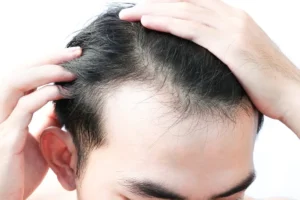
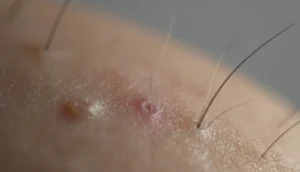
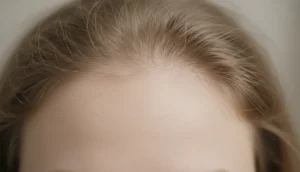
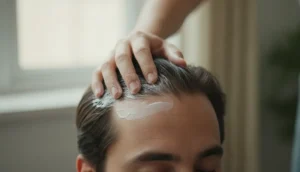
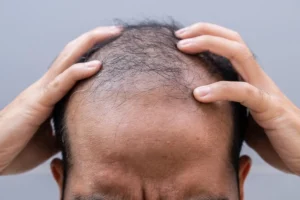
Understanding how do you know if hair follicles are dead is essential for anyone concerned about thinning or patchy hair. When follicles stop functioning, hair may appear lifeless, brittle, or fail to grow back after shedding. Recognizing the early warning signs can prevent permanent loss and guide you toward appropriate medical or cosmetic interventions.
Every year, millions of people notice their hair becoming thinner without an obvious cause. Studies show that up to 40% of men and 30% of women experience some form of follicular damage before the age of 35. This prevalence underscores the importance of distinguishing between normal shedding and a deeper issue such as dead hair follicles.
In this article, we will explore the biology of hair follicles, outline the visual and tactile clues that indicate follicle death, discuss common causes, and present proven options to revive or replace non‑functional follicles. By the end, you will have a clear roadmap for assessing scalp health and taking confident steps toward restoration.
Understanding Hair Follicle Biology
Hair follicles are mini‑organs embedded in the scalp that undergo a cyclical growth process consisting of anagen (growth), catagen (transition), and telogen (resting) phases. Healthy follicles receive nutrients from blood vessels, respond to hormonal signals, and produce keratinized strands that emerge from the skin.
When a follicle becomes dormant or damaged, it may enter a state where it no longer produces viable hair. This condition is often referred to as a dead hair follicle. Differentiating a dormant follicle from a truly dead one involves examining several key characteristics:
- Growth activity: Active follicles show visible regrowth within weeks after shedding.
- Scalp texture: Healthy follicles are surrounded by supple skin; dead follicles may feel hardened or scarred.
- Color and sheen: Living hair reflects light and has a natural hue, while dead hair appears dull and may turn gray or white.
| Feature | Healthy Follicle | Dead Follicle |
|---|---|---|
| Growth Cycle | Regular anagen phase, visible regrowth | Stalled cycle, no new growth |
| Scalp Feel | Soft, elastic | Hard, scar‑like |
| Hair Appearance | Shiny, pigmented | Dull, often grayish |
By familiarizing yourself with these biological markers, you can more accurately answer the question of how do you know if hair follicles are dead and decide whether observation or professional evaluation is needed.
Common Signs That Indicate Dead or Damaged Follicles
Spotting the early signs of follicular death can save you from irreversible hair loss. While normal shedding is part of the hair cycle, certain symptoms suggest that the underlying follicle is no longer viable.
Visual Indicators
- Persistent bald patches that do not fill in over several months.
- Hair shafts that break easily at the root, leaving short stubble.
- Grey or white hair in areas that previously had dark pigment, without a genetic cause.
Tactile Indicators
- Scalp feels rough or raised, indicating scar tissue.
- Loss of elasticity; the skin does not bounce back when pinched.
- Presence of small, hard nodules where follicles have calcified.
| Symptom | Likely Cause | Action Needed |
|---|---|---|
| Patchy hair loss | Dead follicles | Consult a trichologist |
| Hair breakage at root | Follicle damage | Strengthen scalp with nutrients |
| Grey hair in young adults | Melanin loss in dead follicles | Investigate underlying health issues |
When you notice any of these signs, it is prudent to answer how do you know if hair follicles are dead by seeking a professional scalp assessment. Early detection opens the door to restorative treatments before permanent scarring occurs.
Causes of Follicle Death and Prevention
Understanding why follicles become non‑functional helps you address the root problem rather than just the symptoms. Several factors contribute to follicular death, ranging from lifestyle choices to medical conditions.
Environmental and Lifestyle Factors
- Excessive heat styling or chemical treatments that damage the follicle shaft.
- Chronic exposure to UV radiation without scalp protection.
- Poor nutrition lacking essential vitamins such as biotin, vitamin D, and iron.
Medical and Hormonal Influences
- Alopecia areata, an autoimmune condition that attacks hair follicles.
- Thyroid disorders that disrupt hormonal balance.
- Scalp infections (fungal or bacterial) that cause inflammation and scarring.
| Cause | Impact on Follicle | Preventive Measure |
|---|---|---|
| Heat styling | Thermal damage to follicle cells | Limit heat, use protective sprays |
| UV exposure | Oxidative stress, DNA damage | Wear hats or sunscreen for scalp |
| Nutrient deficiency | Impaired keratin production | Balanced diet, supplements if needed |
| Autoimmune attack | Follicle inflammation and loss | Medical therapy, stress management |
By tackling these causes proactively, you reduce the risk of answering “yes” to how do you know if hair follicles are dead later in life. Simple preventive steps—like using gentle hair care products and maintaining overall health—can preserve follicular vitality.
Options for Reviving or Replacing Dead Follicles
When follicles have already ceased to function, several medical and surgical options can restore hair density. The choice depends on the extent of damage, donor hair availability, and individual preferences.
Non‑Surgical Treatments
- Platelet‑Rich Plasma (PRP): Concentrated growth factors injected into the scalp to stimulate dormant follicles.
- Low‑Level Laser Therapy (LLLT): Red light devices that improve blood flow and cellular metabolism.
- Topical Minoxidil: Over‑the‑counter medication that prolongs the anagen phase.
Surgical Interventions
- Follicular Unit Extraction (FUE): Individual hair follicles are harvested from a donor area and transplanted to balding zones.
- Direct Hair Implantation (DHI): Similar to FUE but uses a pen‑like device for precise placement.
- Eyebrow and Beard Transplants: Specialized techniques for facial hair restoration.
| Method | Invasiveness | Typical Recovery | Best For |
|---|---|---|---|
| PRP | Minimally invasive | 1‑2 days | Early‑stage follicle weakening |
| LLLT | Non‑invasive | Immediate | General thinning |
| FUE | Surgical | 7‑10 days | Advanced hair loss, dead follicles |
| DHI | Surgical | 7‑10 days | Precision needed areas |
These solutions address the core question of how do you know if hair follicles are dead by offering pathways to either reactivate surviving follicles or replace those that are irreversibly damaged. Consulting a qualified hair restoration specialist is essential to determine the most suitable plan.
Caring for Scalp and Follicles After Treatment
Post‑procedure care is critical to ensure transplanted or revitalized follicles thrive. Proper aftercare maximizes graft survival and minimizes the risk of complications.
Immediate Post‑Procedure Guidelines
- Avoid direct sunlight and intense heat for at least two weeks.
- Use gentle, sulfate‑free shampoos recommended by your surgeon.
- Do not pick at scabs or crusts; let them fall off naturally.
Long‑Term Maintenance
- Incorporate a balanced diet rich in protein, omega‑3 fatty acids, and antioxidants.
- Consider periodic PRP sessions to sustain follicle health.
- Schedule regular follow‑up appointments to monitor growth and address any concerns.
| Time Frame | Recommended Action | Goal |
|---|---|---|
| Days 1‑7 | Gentle cleansing, avoid pressure | Prevent infection, protect grafts |
| Weeks 2‑4 | Light scalp massage, UV protection | Stimulate blood flow |
| Months 3‑6 | Nutrition optimization, possible PRP | Enhance hair follicle regrowth |
Adhering to these protocols ensures that the answer to how do you know if hair follicles are dead becomes a definitive “no” for the future, as healthy follicles continue to produce robust hair.
Why Choose Gold City Hair for Hair Restoration
Gold City Hair has been delivering personalized hair restoration solutions in Turkey since 2017. Our clinic combines advanced techniques such as FUE, DHI, and PRP with a patient‑centered approach that prioritizes transparent communication and individualized care plans. With a team of experienced surgeons and a proven track record of successful outcomes, we help clients regain confidence through natural‑looking results.
Ready to assess the health of your hair follicles and explore effective restoration options? Contact Gold City Hair today to schedule a confidential consultation and take the first step toward a fuller, healthier head of hair.
FAQ
How can you tell if a hair follicle is dead?
Dead follicles show no regrowth, feel hard or scarred, and produce dull, grayish hair.
What are the common signs of dead hair follicles?
Persistent bald patches, hair that breaks at the root, gray hair in unexpected areas, and a rough or raised scalp.
What causes hair follicles to become dead?
Heat styling, UV exposure, nutrient deficiencies, autoimmune attacks, thyroid disorders, and scalp infections.
Can dead hair follicles be revived?
Early‑stage dead or dormant follicles may be reactivated with treatments like PRP or LLLT, but fully scarred follicles usually require transplantation.
What treatment options are available for dead follicles?
Non‑surgical options like PRP, LLLT, and minoxidil; surgical options include FUE, DHI, and facial hair transplants.
How should you care for the scalp after hair restoration treatment?
Avoid sun and heat, use gentle sulfate‑free shampoos, protect grafts, and maintain a nutrient‑rich diet.