AGA hair loss is a common form of thinning that affects millions of men and women worldwide, often beginning in early adulthood. This article explains the underlying mechanisms, typical patterns, and the most reliable medical and surgical options available today. By the end, you’ll know how to recognize early signs, what lifestyle factors can influence progression, and why modern transplant techniques such as FUE and DHI deliver lasting, natural‑looking results.
According to recent dermatology studies, up to 40% of men experience noticeable balding by age 35, while a similar proportion of women report diffuse thinning in their thirties. Early detection is crucial because interventions are most successful before hair follicles become dormant. Throughout the following sections, we will explore the science behind androgenetic alopecia, differentiate male and female pattern baldness, and outline a step‑by‑step roadmap for anyone considering restoration.
Whether you are just noticing a receding hairline, dealing with widening crowns, or seeking a permanent solution, understanding the full spectrum of AGA hair loss empowers you to make informed decisions and choose the right treatment path.
What Is AGA Hair Loss?
AGA hair loss, medically known as androgenetic alopecia, is driven by a combination of genetic predisposition and hormonal factors, particularly the activity of dihydrotestosterone (DHT). DHT binds to receptors in susceptible hair follicles, shortening the anagen (growth) phase and causing follicles to miniaturize over time. This process leads to progressively thinner strands and eventually, follicular dormancy.
Key characteristics of AGA include:
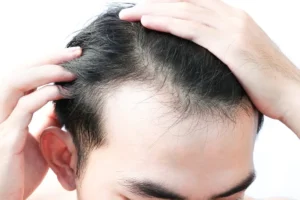
- Gradual recession of the frontal hairline, forming an “M” shape in men.
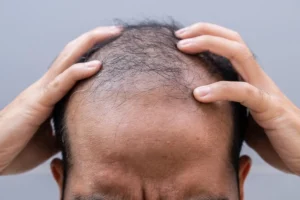
- Thinning at the vertex (crown) that may expand into a bald spot.
- Diffuse thinning across the scalp in women, often preserving the frontal hairline.
Because the condition is hereditary, family history is a strong predictor. However, lifestyle elements such as stress, nutrition, and scalp health can accelerate the miniaturization process. Understanding that AGA is a hormonal and genetic condition—not simply a cosmetic issue—helps frame treatment expectations and the need for targeted therapies.
Common Patterns and Early Signs of Male Pattern Baldness

Recognizing the early visual cues of AGA can dramatically improve treatment outcomes. In men, the classic Norwood scale outlines stages from a slight recession at the temples (Stage 2) to extensive vertex loss (Stage 5) and eventual total baldness (Stage 7). Women typically follow the Ludwig scale, which categorizes thinning from mild (Ludwig I) to severe (Ludwig III), predominantly affecting the crown while the frontal hairline remains intact.
Early signs to monitor include:
- Increased hair shedding during washing or brushing.
- Noticeable widening of the part line.
- Reduced hair density on the scalp, especially around the temples and crown.
Below is a quick comparison of male versus female pattern baldness:
| Feature | Male Pattern Baldness | Female Pattern Baldness |
|---|---|---|
| Typical Onset | Late teens to early 30s | Late 20s to 40s |
| Primary Area Affected | Frontal hairline and vertex | Crown and overall thinning |
| Progression Speed | Often rapid during early years | Generally slower, gradual |
Spotting these patterns early enables clinicians to recommend preventative measures—such as topical minoxidil, oral finasteride, or lifestyle adjustments—before permanent follicle loss occurs.
Medical and Non‑Surgical Options for Managing AGA
Before considering a transplant, many patients explore medical therapies that can slow or partially reverse hair thinning. The most widely studied options include:
- Minoxidil (5% topical solution) – stimulates blood flow to the scalp and prolongs the growth phase.
- Finasteride (1 mg oral tablet) – inhibits the conversion of testosterone to DHT, reducing follicular miniaturization.
- Low‑Level Laser Therapy (LLLT) – uses red light to improve cellular metabolism in hair follicles.
- Platelet‑Rich Plasma (PRP) injections – concentrate growth factors from the patient’s own blood to promote regeneration.
Non‑surgical cosmetic approaches, such as scalp micropigmentation or hair‑building fibers, can provide an immediate visual boost while patients pursue longer‑term solutions. However, these methods do not address the underlying hormonal cause and are best used as complementary strategies.
When choosing a regimen, it’s essential to consult a qualified specialist who can evaluate hormone levels, scalp condition, and family history. A personalized plan often combines two or more treatments to maximize efficacy and minimize side effects.
Hair Transplant Techniques: FUE, DHI, and Their Suitability for AGA
For individuals with stable AGA who have exhausted medical options, hair transplantation offers a permanent, natural‑looking solution. The two most advanced methods are Follicular Unit Extraction (FUE) and Direct Hair Implantation (DHI). Both techniques involve harvesting healthy follicles from a donor area—typically the occipital scalp—and implanting them into thinning zones.
Key differences:
- FUE – individual follicles are extracted using a micro‑punch and later placed into pre‑made channels. This method allows for larger graft numbers and is ideal for extensive balding.
- DHI – follicles are loaded into a specialized implanter pen and implanted directly without creating channels first, reducing handling time and potentially improving graft survival.
Both techniques are suitable for AGA because they target the resistant donor zone, which typically remains unaffected by DHT. The choice between FUE and DHI depends on factors such as desired density, scalp laxity, and the surgeon’s expertise.
Below is a quick comparison:
| Aspect | FUE | DHI |
|---|---|---|
| Extraction Method | Micro‑punch, individual grafts | Micro‑punch with immediate implantation |
| Implantation Speed | Slower, requires channel creation | Faster, no pre‑made channels |
| Graft Survival Rate | 85‑90% | 90‑95% |
| Ideal For | Large‑area coverage | High‑density, precise placement |
Choosing a reputable clinic with experienced surgeons ensures optimal graft placement, natural hairline design, and minimal scarring—critical factors for a seamless result in AGA hair loss treatment.
Preparing for a Hair Restoration Journey: Consultation, Expectations, and Aftercare
A successful transplant begins long before the operating room. The initial consultation should cover medical history, scalp analysis, and realistic goal setting. Patients are encouraged to bring photographs of their desired hairline and discuss any prior treatments they have tried.
Key preparation steps include:
- Discontinuing blood‑thinning medications (e.g., aspirin) at least one week prior.
- Avoiding alcohol and smoking for two weeks before and after surgery to enhance graft survival.
- Shaving the donor area only if required by the surgeon; many clinics now offer “no‑shave” FUE options.
Post‑procedure aftercare is equally important. Typical recommendations are:
- Gentle washing with a prescribed shampoo after 48‑72 hours.
- Keeping the scalp elevated for the first few nights to reduce swelling.
- Using prescribed antibiotics or anti‑inflammatory medication as directed.
- Attending follow‑up visits at 1 week, 1 month, and 6 months to monitor graft growth.
Patients can expect visible hair growth within 3‑4 months, with full maturation occurring around 12‑18 months. Patience and adherence to aftercare protocols are essential for achieving the best possible outcome in the fight against aga hair loss.
Why Choose Gold City Hair
Gold City Hair has been delivering personalized hair restoration solutions in Turkey since 2017. Our clinic combines the latest FUE and DHI technologies with a transparent, patient‑focused approach. Every treatment plan is tailored to your unique pattern of AGA hair loss, ensuring natural results and a comfortable experience from the first consultation to the final follow‑up.
Our team of board‑certified surgeons and experienced technicians prioritize safety, precision, and aesthetic excellence, making us a trusted partner for individuals seeking lasting confidence through restored hair.
Ready to take the next step toward a fuller, natural‑looking hairline? Contact Gold City Hair today to schedule your personalized consultation and discover the best solution for your AGA hair loss journey.
FAQ
What causes AGA hair loss?
AGA hair loss is caused by a combination of genetic predisposition and the hormone dihydrotestosterone (DHT) which shortens the hair growth phase.
How can I recognize early signs of AGA?
Early signs include increased shedding, a widening part line, and thinning at the temples or crown.
What medical treatments are available for AGA?
Common medical options include minoxidil, finasteride, low‑level laser therapy, and platelet‑rich plasma injections.
What are the differences between FUE and DHI hair transplants?
FUE extracts follicles with a micro‑punch and implants them after channel creation; DHI uses an implanter pen to place follicles directly without pre‑made channels.
How should I prepare for a hair transplant procedure?
Stop blood‑thinners, avoid alcohol and smoking, and follow the surgeon’s pre‑op instructions regarding scalp preparation.
What after‑care is required following a hair transplant?
Aftercare includes gentle washing, scalp elevation, medication adherence, and scheduled follow‑up visits.