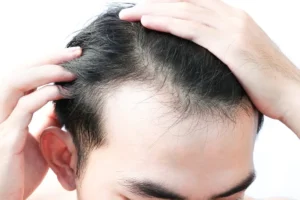
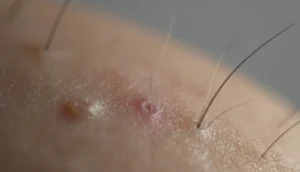
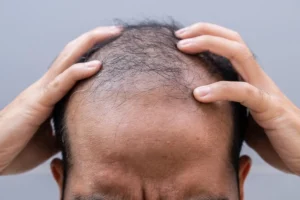
Can vitamin deficiency cause hair loss? This question is common among anyone who notices thinning strands or excessive shedding. Understanding the link between nutrition and hair health is essential because hair loss can affect confidence and overall well‑being. Recent studies indicate that up to 30% of diffuse hair shedding cases are related to nutritional gaps, especially in key vitamins and minerals.
If you wonder whether a vitamin deficiency can be the hidden trigger behind your hair concerns, the answer lies in the science of hair follicle biology. Vitamins act as co‑factors in cell metabolism, hormone regulation, and blood flow—all crucial for robust hair growth. When these micronutrients are lacking, the hair cycle may be disrupted, leading to premature shedding or slowed regrowth.
In this article we will explore which vitamins are most important for hair, identify common deficiencies that may lead to thinning, discuss how to diagnose nutrient‑related hair loss, and outline practical dietary and supplement strategies. Whether you’re seeking natural solutions or considering professional hair restoration, understanding the nutritional foundation gives you a solid starting point.
Understanding the Role of Vitamins in Hair Health

Hair is a protein‑rich tissue that relies on a steady supply of nutrients to maintain its growth cycle. Each strand emerges from a follicle that requires energy, oxygen, and building blocks supplied by the bloodstream. Vitamin deficiency can interrupt these processes, causing the follicle to enter the resting (telogen) phase prematurely.
How Hair Grows and Why Vitamins Matter
The hair growth cycle consists of three phases: anagen (growth), catagen (transition), and telogen (rest). During anagen, cells in the matrix divide rapidly, producing keratin—the primary protein of hair. Vitamins act as co‑enzymes that facilitate DNA synthesis, cell division, and antioxidant protection, all of which are vital for a prolonged anagen phase.
Key Vitamins for Hair Growth
- Vitamin A: Supports sebum production, keeping the scalp moisturized. Too little can dry out follicles; excess may cause shedding.
- Vitamin B‑complex (especially B7 – biotin, B12, B6, and B9 – folate): Crucial for red blood cell formation and energy metabolism, directly influencing follicle health.
- Vitamin C: Powerful antioxidant that protects follicles from oxidative stress and aids iron absorption.
- Vitamin D: Regulates hair follicle cycling; receptors are present in dermal papilla cells.
- Vitamin E: Improves blood circulation to the scalp and reduces oxidative damage.
- Minerals such as Iron, Zinc, and Selenium: Though not vitamins, they work synergistically with vitamins to promote hair growth.
When people search for hair growth vitamins or best vitamins for hair growth, they are often looking for formulations that combine these nutrients in balanced ratios. However, a personalized approach—targeting the specific deficiency you may have—is more effective than a one‑size‑fits‑all supplement.
Common Vitamin Deficiencies Linked to Hair Loss
Not all hair loss is caused by genetics; many cases stem from nutrient shortages. Below are the most frequently reported deficiencies that have a direct impact on hair density.
Vitamin D Deficiency
Low levels of vitamin D are strongly associated with telogen effluvium, a condition where a large number of hairs enter the resting phase simultaneously. Research shows that individuals with vitamin D deficiency hair loss often experience diffuse shedding rather than patterned baldness. Sunlight exposure and dietary sources such as fatty fish, fortified dairy, and egg yolks are primary ways to maintain adequate levels.
Vitamin B12 Deficiency
Vitamin B12 is essential for red blood cell production, which transports oxygen to hair follicles. A deficiency can lead to anemia, resulting in reduced oxygen delivery and weakened hair growth. Symptoms often include fatigue, tingling in the hands and feet, and hair loss that is more noticeable on the scalp and eyebrows.
Iron Deficiency
Iron is a critical component of hemoglobin; insufficient iron limits the blood’s capacity to carry oxygen. Women of reproductive age are especially prone to iron tablets and hair loss due to menstrual blood loss. Low ferritin (iron storage) levels correlate with increased shedding, making iron supplementation a common recommendation for thinning hair.
Vitamin A Imbalance
Both deficiency and excess of vitamin A can cause hair problems. While a lack may lead to dry, brittle hair, too much vitamin A can trigger rapid shedding because it overstimulates the production of sebum, clogging follicles.
When users search for which vitamin deficiency causes hair loss or what lack of vitamins causes hair loss, these four nutrients are typically highlighted. Addressing them through diet, supplementation, or medical treatment can often reverse early‑stage shedding.
Diagnosing Vitamin‑Related Hair Loss
Before starting any supplement regimen, it’s important to confirm whether a deficiency is truly the cause of your hair loss. Self‑diagnosis can lead to unnecessary supplementation and may mask underlying health issues.
Blood Tests: The Gold Standard
Comprehensive blood panels can measure levels of vitamin D, B12, ferritin (iron), folate, and vitamin A. Your physician may also test thyroid function, as thyroid disorders can mimic nutrient‑related shedding.
Recognizing Symptoms
Typical signs that point toward a nutritional cause include:
- Gradual, diffuse thinning rather than a distinct bald spot.
- Concurrent symptoms such as fatigue, pale skin, or brittle nails.
- Recent dietary changes, strict dieting, or malabsorption conditions.
When to Seek Professional Help
If you notice rapid hair loss, a widening part, or accompanying skin changes, schedule an appointment with a dermatologist or a trichologist. They can differentiate between what vitamin deficiency causes hair loss and other conditions like alopecia areata or hormonal imbalances.
Nutritional Strategies and Supplements for Hair Regrowth
Once a deficiency is identified, the next step is to replenish the lacking nutrients through diet and, if needed, supplementation. A holistic approach often yields the best results.
Balanced Diet Principles
Incorporate foods rich in the key vitamins and minerals:
- Vitamin D: Fatty fish (salmon, mackerel), fortified dairy, egg yolks, and moderate sunlight exposure.
- Vitamin B12: Meat, poultry, fish, dairy, and fortified plant‑based milks for vegans.
- Iron: Red meat, lentils, spinach, pumpkin seeds, and vitamin C‑rich foods to enhance absorption.
- Vitamin A: Sweet potatoes, carrots, kale, and apricots.
- Vitamin C: Citrus fruits, strawberries, bell peppers, and broccoli.
- Vitamin E: Almonds, sunflower seeds, and avocado.
Choosing Effective Supplements
When dietary intake is insufficient, high‑quality supplements become valuable. Look for products labeled as “best hair vitamins for thinning hair” or “hair growth supplements” that contain a blend of biotin, vitamin D3, zinc, and selenium. Avoid mega‑doses of a single vitamin unless prescribed, as excess can cause adverse effects.
| Supplement | Key Ingredients | Suggested Use |
|---|---|---|
| Multivitamin Complex | Vitamins A, B‑complex, C, D, E + Zinc, Selenium | One tablet daily with food |
| Biotin Boost | Biotin 5,000 µg | One capsule per day |
| Iron + Vitamin C | Ferrous sulfate 18 mg + Vitamin C 60 mg | Two tablets daily, separate from calcium |
| Vitamin D3 Softgels | Vitamin D3 2,000 IU | One softgel daily, preferably with a meal |
Consistent use for at least three months is typically required before noticeable improvements appear, because hair growth cycles are slow.
When Vitamin Optimization Isn’t Enough: Considering Hair Restoration
Even with optimal nutrition, some individuals continue to experience persistent thinning due to genetic factors, hormonal changes, or scar‑related loss. In such cases, medical hair restoration offers a reliable solution.
Why Professional Hair Restoration Works
Procedures like Follicular Unit Extraction (FUE) and Direct Hair Implantation (DHI) relocate healthy follicles from a donor area to balding zones, providing permanent, natural‑looking results. These techniques are minimally invasive, have short recovery times, and are performed by experienced surgeons.
Gold City Hair’s Expertise
At Gold City Hair, our team has been delivering safe and effective hair transplants since 2017. We combine cutting‑edge technology with a personalized approach, ensuring each patient receives a treatment plan that aligns with their goals and scalp characteristics. Whether you are addressing residual loss after correcting a vitamin deficiency or seeking a comprehensive solution, our clinic offers the expertise to restore confidence.
Why Choose Gold City Hair
Gold City Hair stands out for its commitment to individualized care, transparent communication, and proven results. Our specialists are trained in the latest FUE and DHI techniques, and we prioritize patient safety throughout every step. By integrating medical expertise with a compassionate environment, we help you achieve lasting, natural‑looking hair restoration.
Ready to take control of your hair health? Contact Gold City Hair today to schedule a personalized consultation and discover the most effective path—whether through nutrition, supplementation, or advanced hair restoration.
Regain your confidence with a solution tailored just for you.
FAQ
Can vitamin deficiency cause hair loss?
Yes, lacking essential vitamins can disrupt the hair growth cycle and lead to increased shedding or slower regrowth.
Which vitamins are most important for hair growth?
Vitamin A, B‑complex (especially biotin, B12, B6, folate), vitamin C, vitamin D, vitamin E, and minerals like iron, zinc, and selenium are crucial.
How does vitamin D deficiency affect hair?
Low vitamin D is linked to telogen effluvium, causing diffuse shedding as many hairs enter the resting phase at once.
How can I diagnose if my hair loss is due to a nutrient deficiency?
A comprehensive blood test measuring vitamin D, B12, ferritin, folate, and vitamin A, combined with symptom review, can identify deficiency‑related hair loss.
What foods can help prevent hair loss caused by vitamin deficiencies?
Include fatty fish, fortified dairy, eggs, meat, leafy greens, nuts, seeds, citrus fruits, and colorful vegetables in your diet.
Are hair growth supplements effective for treating deficiency‑related hair loss?
Supplements can help when a specific deficiency is identified, but they work best alongside a balanced diet and proper medical guidance.