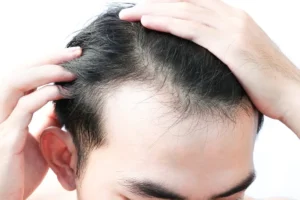
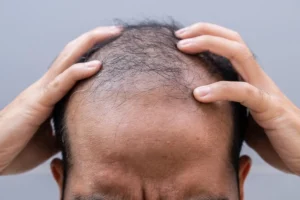
Many patients wonder can the drug Lyrica cause hair loss when they are prescribed it for nerve pain or epilepsy. Understanding this possibility is essential because hair loss can affect confidence and may signal an underlying reaction to medication. In this article we examine the scientific evidence, explore how Lyrica (pregabalin) works, and outline practical steps if you notice thinning strands while taking the drug.
Lyrica is a widely used medication for conditions such as peripheral neuropathy, fibromyalgia, and generalized anxiety disorder. While it offers relief for many, its side‑effect profile can be broad, ranging from dizziness to weight gain. Hair loss, though less common, is a concern that prompts patients to seek medical advice and consider alternative treatments.
We will break down the most relevant information: the drug’s primary uses, typical side effects, the specific relationship between Lyrica and hair loss, and what you can do to protect your scalp health. By the end of this guide, you’ll have a clear picture of whether Lyrica is likely to affect your hair and how to address the issue if it arises.
Understanding Lyrica (Pregabalin) and Its Uses
Lyrica, whose generic name is pregabalin, belongs to the class of anticonvulsant medications. It is primarily prescribed to manage neuropathic pain, seizures, and certain anxiety disorders. Knowing what the drug is used for helps put its side‑effect profile into context.
- Neuropathic pain associated with diabetes, shingles, or spinal cord injury.
- Fibromyalgia, a chronic condition characterized by widespread musculoskeletal pain.
- Partial onset seizures in adults.
- Generalized anxiety disorder (off‑label in some regions).
Typical dosing ranges from 75 mg to 600 mg per day, divided into two or three doses. The exact dosage depends on the condition being treated, patient age, and renal function. For example, a common regimen for neuropathic pain is 150 mg twice daily, while seizure control may start at 300 mg daily and be titrated upward.
Because Lyrica influences calcium channels in the central nervous system, it can alter neurotransmitter release, which is why it effectively reduces pain signals. However, this same mechanism can also lead to side effects that vary among individuals.

Common Side Effects of Lyrica
Every medication carries a risk of adverse reactions, and Lyrica is no exception. The most frequently reported lyrica side effects include dizziness, drowsiness, dry mouth, and peripheral edema. Understanding these common effects helps patients differentiate between expected reactions and more serious concerns.
| Side Effect | Incidence (% of users) | Typical Onset |
|---|---|---|
| Dizziness | 30‑40 | Within first week |
| Weight Gain | 15‑20 | Weeks to months |
| Dry Mouth | 10‑15 | First few days |
| Peripheral Edema | 5‑10 | 1‑2 months |
Less common but noteworthy are visual disturbances, mood changes, and gastrointestinal upset. While “does Lyrica cause weight gain” is a frequent query, the mechanism is thought to involve increased appetite and fluid retention rather than direct metabolic changes.
Patients should also be aware of drug interactions. For instance, combining Lyrica with central nervous system depressants can amplify drowsiness, and certain antihypertensive agents may worsen edema. Always discuss your full medication list with a healthcare provider before starting pregabalin.
Hair Loss as a Potential Side Effect
The core question—can the drug Lyrica cause hair loss—has been raised by patients experiencing unexpected thinning after initiating therapy. While hair loss is not listed among the most common side effects, case reports and post‑marketing surveillance suggest a possible link for a small subset of users.
Hair follicles undergo a growth cycle that can be disrupted by hormonal changes, nutritional deficiencies, and certain medications. Pregabalin may indirectly influence this cycle by altering calcium signaling pathways that are essential for follicle health. Additionally, stress and anxiety, which Lyrica sometimes treats, can themselves trigger telogen effluvium, a form of temporary hair shedding.
| Study / Report | Sample Size | Hair Loss Reported | Conclusion |
|---|---|---|---|
| Pharmacovigilance Database (2022) | 12,500 Lyrica users | 0.4 % | Rare but possible adverse event |
| Case Series, Dermatology Journal (2021) | 8 patients | All reported diffuse thinning | Improvement after discontinuation |
| Controlled Trial on Fibromyalgia (2019) | 200 participants | 0 % | No significant hair loss observed |
These findings indicate that hair loss associated with Lyrica is rare, occurring in less than one percent of users, but the risk is not zero. If you notice sudden shedding, it is prudent to discuss the symptom with your prescribing physician, who can assess whether the medication or another factor is responsible.
Managing Hair Loss While on Lyrica
If you suspect that Lyrica is contributing to hair thinning, there are several strategies to consider before making any changes to your medication regimen.
- Consult your doctor: They can evaluate the severity of hair loss and decide whether dose adjustment or a switch to an alternative medication is appropriate.
- Review dosage: The maximum dose of pregabalin in 24 hours is 600 mg. Reducing the dose, when clinically feasible, may lessen side effects.
- Check for interactions: Certain supplements (e.g., biotin) or medications may exacerbate hair shedding; a medication review can identify culprits.
- Support scalp health: Use gentle shampoos, avoid excessive heat styling, and consider topical minoxidil if recommended by a dermatologist.
- Nutrition and lifestyle: Ensure adequate protein, iron, and vitamin D intake, and manage stress through exercise or mindfulness practices.
In some cases, physicians may substitute Lyrica with another neuropathic pain agent such as gabapentin, which has a different side‑effect profile. However, any change should be medically supervised to maintain pain control.
For patients who continue to experience hair loss despite these measures, seeking a consultation with a hair restoration specialist can provide options ranging from medical therapy to advanced procedures like follicular unit extraction (FUE) performed by experts at Gold City Hair.
When to Seek Professional Help
Hair loss can be distressing, especially when it coincides with a medication that is otherwise beneficial. Knowing when to involve a specialist ensures timely intervention and the best possible outcome.
- Hair shedding exceeds 100 strands per day for more than two weeks.
- Visible thinning patches appear on the crown or frontal scalp.
- Accompanying symptoms such as scalp itching, redness, or pain develop.
- Hair loss persists after discontinuing or adjusting Lyrica dosage.
At this stage, a dermatologist can perform a scalp examination, blood tests, and possibly a biopsy to rule out other causes such as thyroid disorders or autoimmune conditions. If the diagnosis points to medication‑related alopecia, a coordinated plan with your prescribing physician and a hair restoration clinic can be established.
Gold City Hair offers comprehensive consultations that include an evaluation of your hair loss history, scalp health, and overall medical background. Their team can recommend personalized treatment plans, from medical therapies to state‑of‑the‑art transplant techniques, ensuring you regain confidence and a fuller appearance.
Why Choose Gold City Hair
Gold City Hair has been delivering personalized hair restoration solutions in Turkey since 2017. Our clinic combines proven techniques such as FUE and DHI with a transparent, patient‑focused approach. Whether you are dealing with medication‑related thinning or long‑standing pattern loss, our experienced team offers comprehensive assessments and tailored treatment plans designed to restore both hair density and confidence.
Ready to take control of your hair health? Contact Gold City Hair today for a free, no‑obligation consultation and discover the best path to a fuller, natural‑looking result.
FAQ
Can Lyrica cause hair loss?
Hair loss is a rare but reported side effect of Lyrica (pregabalin).
What are the most common side effects of Lyrica?
Typical side effects include dizziness, drowsiness, dry mouth, and peripheral edema.
How often does hair loss occur in Lyrica users?
Hair loss has been reported in roughly 0.4% of users in pharmacovigilance data.
What should I do if I notice hair thinning while taking Lyrica?
Consult your doctor, consider dose adjustment, and support scalp health.
Are there alternative medications to Lyrica that don’t cause hair loss?
Gabapentin is a common alternative with a different side‑effect profile.
How can I manage medication‑induced hair loss?
Address nutrition, stress, and consider medical treatments like minoxidil.