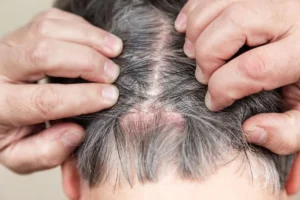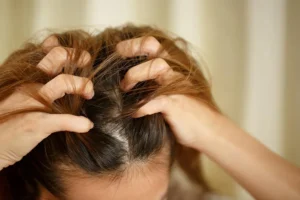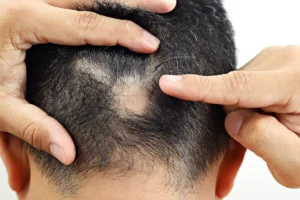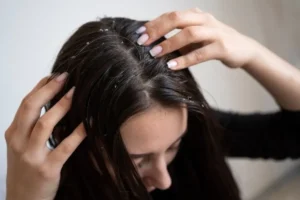
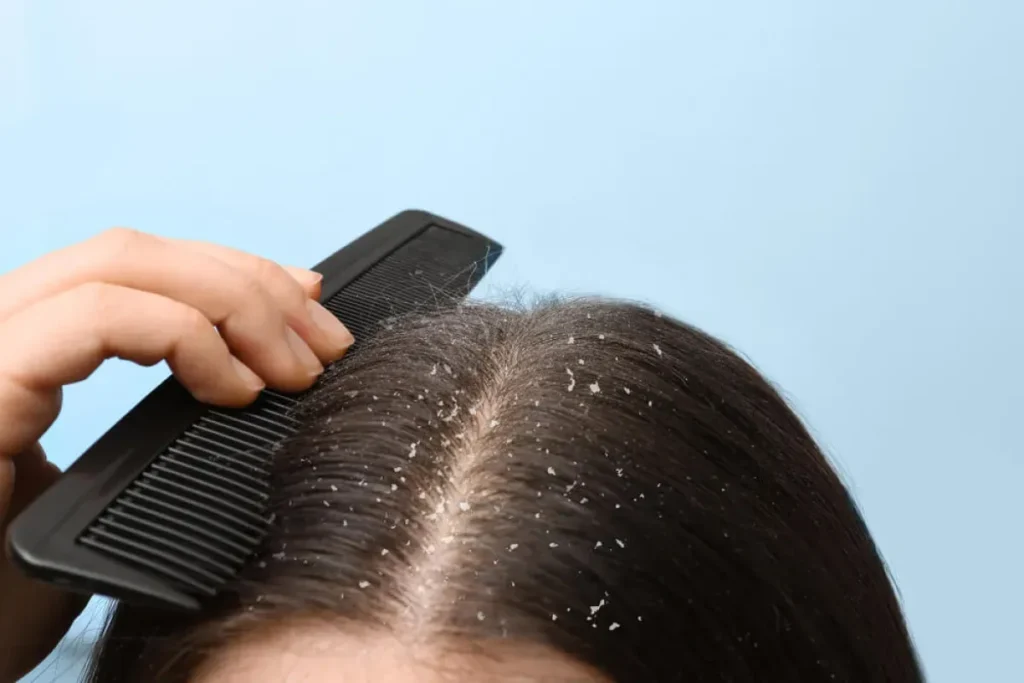
Are you tired of dealing with a dry, itchy scalp and dandruff that won’t go away? You’re not alone. Aloe vera is a natural remedy that science supports to soothe and heal your scalp.
Discover how aloe vera for dry scalp provides a proven soothing cure. Say goodbye to itching and irritation with this natural home remedy.
A dry scalp can be itchy and flaky, often caused by weather, harsh hair products, or other factors. Aloe vera’s healing powers can reduce itchiness, flaking, and inflammation by up to 58 percent. It’s a natural and effective solution.
Using aloe vera can help you get a healthy, comfortable scalp. This ancient remedy, backed by modern research, offers quick cooling relief and deep hydration.
Key Takeaways
Aloe vera reduces itchiness, flaking, and inflammation.
Natural and effective solution for dry scalp and dandruff.
Backed by scientific research and clinical evidence.
Provides immediate cooling relief and deep hydration.
A promising remedy for scalp health restoration.
The Science Behind Aloe Vera’s Healing Properties
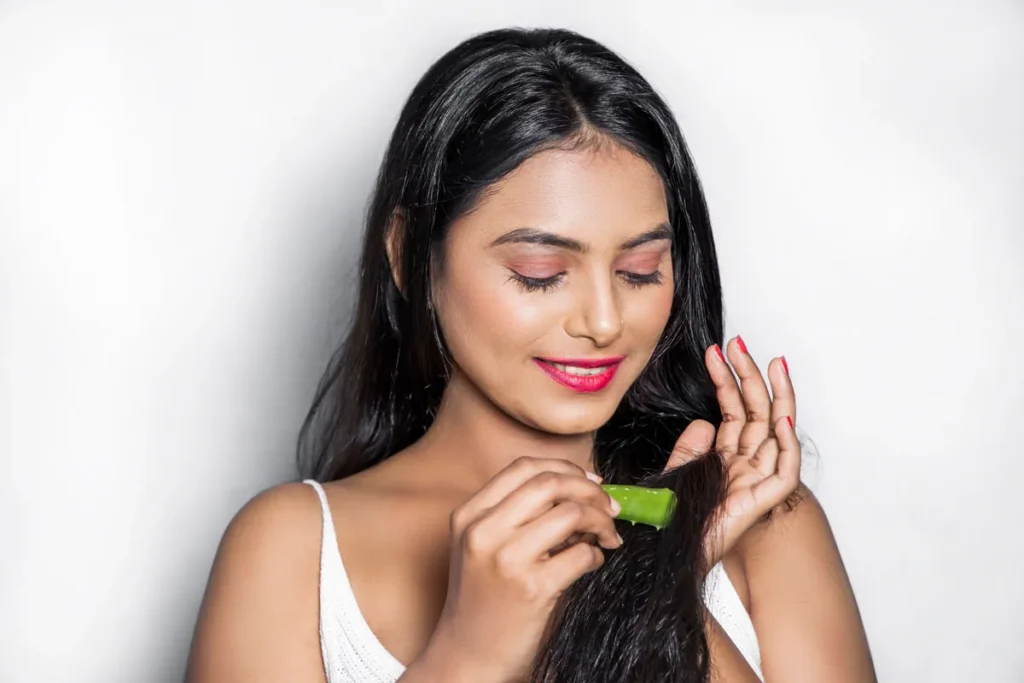
Aloe vera has been studied a lot for its healing powers. It’s good for dry scalp and dandruff because of its special compounds.
Composition and Bioactive Compounds
Aloe vera gel is mostly water, with other important stuff like polysaccharides and glycoproteins. It also has gibberellins and glucomannans. These help keep the skin moist, heal wounds, and grow new cells.
These compounds do a lot for the scalp:
Hydrate the scalp: Polysaccharides keep moisture in, making it less dry and flaky.
Promote wound healing: Glycoproteins and other stuff help wounds heal faster, lowering infection risk.
Stimulate cell growth: Gibberellins and glucomannans help new scalp cells grow, helping the scalp heal.
Clinical Evidence Supporting Scalp Benefits
Many studies show aloe vera’s active compounds are very helpful. It’s good for reducing inflammation and fighting off fungi that cause dandruff.
Some important findings are:
Aloe vera’s anti-inflammatory effects calm the scalp, reducing irritation and swelling.
Its antifungal properties stop dandruff-causing fungi from growing.
Aloe vera’s moisturizing effects soothe the scalp, making it less flaky and itchy.
Knowing how aloe vera works can help people use it to fight dry scalp and dandruff.
Therapeutic Benefits for Scalp Health
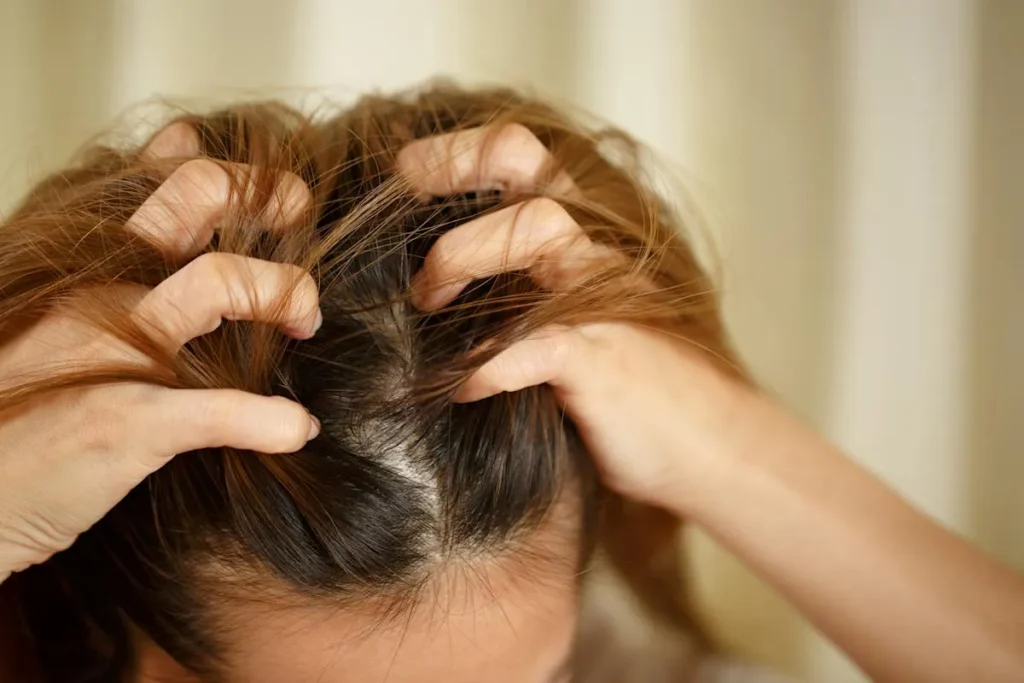
Aloe vera is great for scalp health. It helps with inflammation, fungal infections, and dryness. Its bioactive compounds make it a natural solution for many scalp problems.
Anti-inflammatory and Soothing Effects
Aloe vera is known for its anti-inflammatory properties. It reduces irritation and itching on the scalp. This makes the scalp healthy for hair growth.
Its anti-inflammatory effects can greatly reduce redness and discomfort from dry scalp and dandruff.
Antifungal Properties Against Dandruff-Causing Organisms
Aloe vera fights dandruff-causing organisms with its antifungal and antimicrobial properties. Compounds like aloin and aloe-emodin help with this. It controls fungal growth, reducing dandruff and scalp irritation.
Hydration and Cell Regeneration Benefits
Aloe vera is full of vitamins A, C, and E, and minerals like zinc and selenium. It hydrates the scalp, reducing dryness and flakiness. It also helps heal scalp irritations and supports overall scalp health.
Step-by-Step Guide: Aloe Vera for Dry Scalp and Dandruff
Aloe vera gel is great for dry scalp and dandruff. It’s easy to use. Knowing how to get, prepare, and apply aloe vera gel is key.
Extracting and Preparing Fresh Aloe Gel
To use aloe vera for dry scalp and dandruff, start by getting the gel from the leaf. Pick a fresh, thick leaf and cut off the spiky parts. Slice it open and take out the clear gel inside.
Rinsing the gel under cold water can help remove any latex, reducing the risk of irritation.
It’s essential to use fresh aloe vera gel for the best results. Store any leftover gel in an airtight container in the fridge for up to a week.
Direct Application Techniques
Take the aloe vera gel and massage it into your scalp in circular motions. This boosts blood flow and spreads the gel evenly. Leave it on for 30 minutes to an hour before washing with mild shampoo.
For a deep treatment, use the gel as a mask once a week. Leave it on for 20 to 30 minutes before rinsing well. This locks in moisture and fights dandruff.
DIY Aloe Vera Scalp Treatments
Mixing aloe vera with other natural ingredients can make it even better. Here are some DIY scalp treatments to try:
Apply these treatments once or twice a week, based on your scalp’s needs. Always do a patch test first to avoid any sensitivities.
Conclusion: Incorporating Aloe Vera into Your Hair Care Routine
Using aloe vera for scalp care regularly is important. It helps prevent dry scalp and dandruff over time. Adding aloe vera to your hair care routine can make your scalp healthier.
Aloe vera is great for scalp issues like itchiness and dryness. It soothes and calms the scalp, reducing irritation. Just apply the gel to the affected area, massage it in, and leave it on before rinsing.
Using aloe vera can also help with itchy scalp relief. It becomes a part of your hair care routine, making your scalp healthier. Aloe vera’s anti-inflammatory and antifungal properties help keep your scalp in good shape.
FAQ
Does aloe vera help with dandruff?
Yes, aloe vera can help reduce dandruff by soothing irritation and controlling mild fungal growth on the scalp.
Is aloe vera good for dry scalp?
Yes, aloe vera deeply hydrates the scalp and helps relieve dryness and flaking.
How do I use aloe vera on my scalp?
Apply fresh aloe vera gel directly to your scalp, massage gently, leave it for 20–30 minutes, then rinse with a mild shampoo.
Can aloe vera help with itchy scalp?
Yes, its cooling and anti-inflammatory properties help calm itching and irritation.
Is aloe vera gel effective for dandruff treatment?
It can be effective for mild dandruff, but severe cases may require medicated treatments.
How often should I use aloe vera on my scalp?
Using it 2–3 times a week is usually enough for noticeable improvement.
Can I use aloe vera gel on my scalp every day?
Yes, daily use is generally safe if your scalp tolerates it well, but moderate use is typically sufficient.
Are there any side effects of using aloe vera on the scalp?
It is usually safe, but some people may experience mild irritation or allergic reactions, so a patch test is recommended.
References
National Center for Biotechnology Information. Evidence-Based Medical Insight. Retrieved from https://pubmed.ncbi.nlm.nih.gov/19125266/