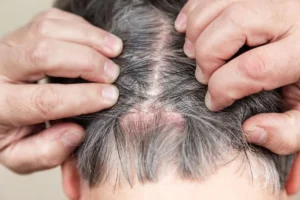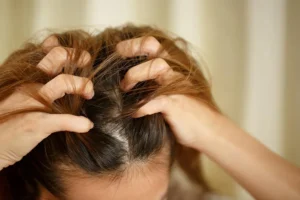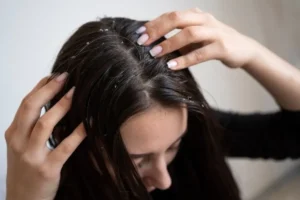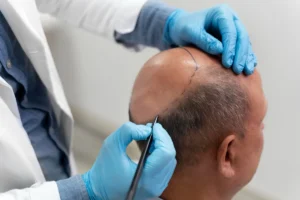
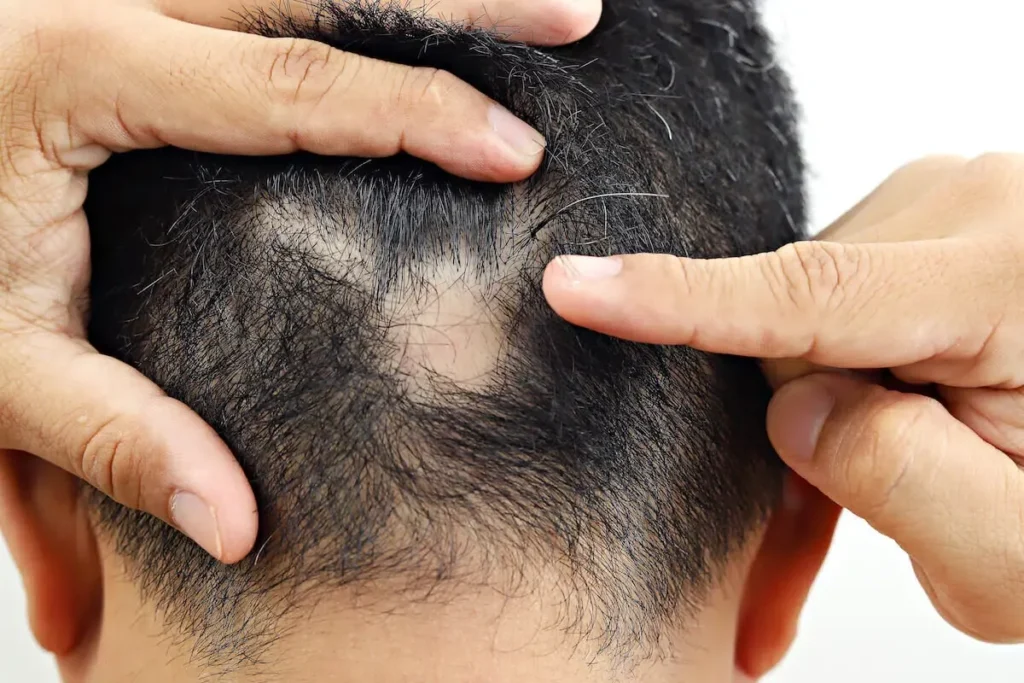
Sudden hair loss can be very upsetting, often happening in round patches. This is known as alopecia areata and affects millions globally.
Identify alopecia areata symptoms with this amazing guide. Use powerful, incredible tips to stop scary hair loss and regrow healthy hair fast.
Alopecia areata is an autoimmune disease that causes hair loss. It shows up as round or oval bald spots on the scalp or other hair areas. Spotting the early signs is key to managing it well.goldcity dental
At Gold City Hair, you’ll find top-notch medical care and a focus on you. Our team helps you understand and tackle the symptoms. We ensure you get a full diagnosis and treatment from our skilled specialists.
Key Takeaways
Early detection of alopecia areata is vital for managing it well.
Alopecia areata is marked by sudden hair loss in round or oval patches.
Gold City Hair offers thorough diagnosis and treatment.
Our experienced specialists provide care that puts you first.
Knowing the signs and symptoms is key for timely action.
Understanding Alopecia Areata
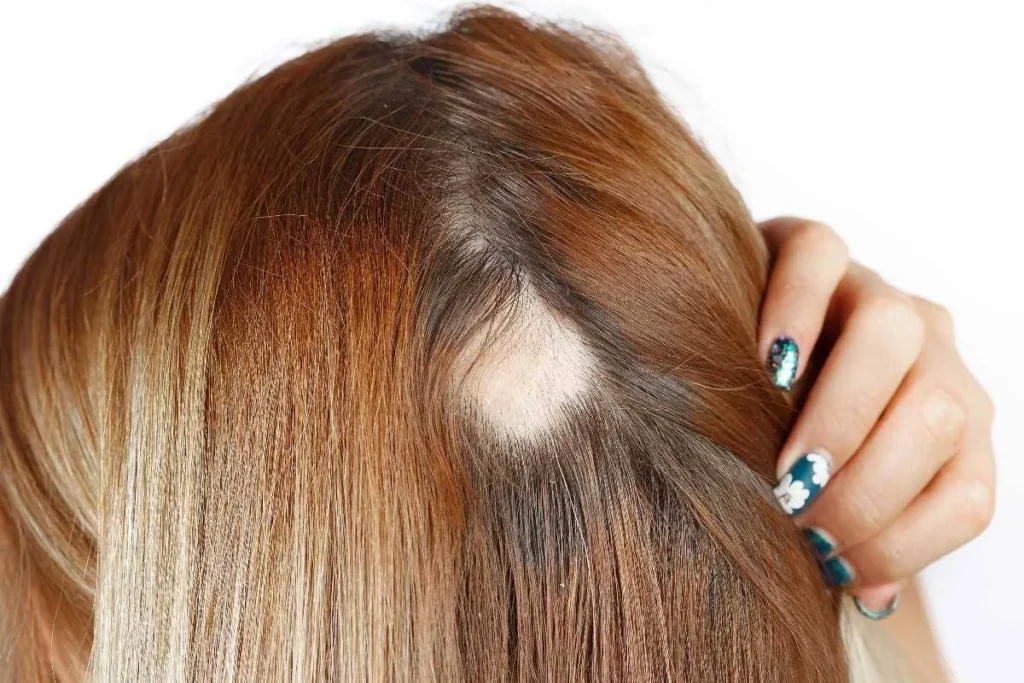
Alopecia areata is more than just hair loss. It’s an autoimmune disorder that affects a person’s quality of life. This condition happens when the body’s immune system attacks hair follicles, causing hair loss.
Definition and Autoimmune Nature
Alopecia areata is an autoimmune disease. It makes the immune system attack hair follicles, leading to hair loss in small patches. The exact cause is not fully understood, but it involves genetics and environment.
Key aspects of its autoimmune nature include:
The immune system’s mistaken attack on hair follicles.
The role of genetic predisposition.
The impact of environmental triggers.
Prevalence and Age of Onset
Alopecia areata can affect anyone, at any age or gender. It usually starts before 30. The National Alopecia Areata Foundation says about 6.8 million people in the U.S. have it, affecting both kids and adults.
“Alopecia areata can happen at any time, often without warning,” says Dr. [Last Name], a dermatologist. “Knowing when it usually starts can help in early treatment.”
Understanding alopecia areata is key. It helps in finding better treatments. Healthcare providers can support those affected by knowing more about it.
Primary Signs and Symptoms of Alopecia Areata
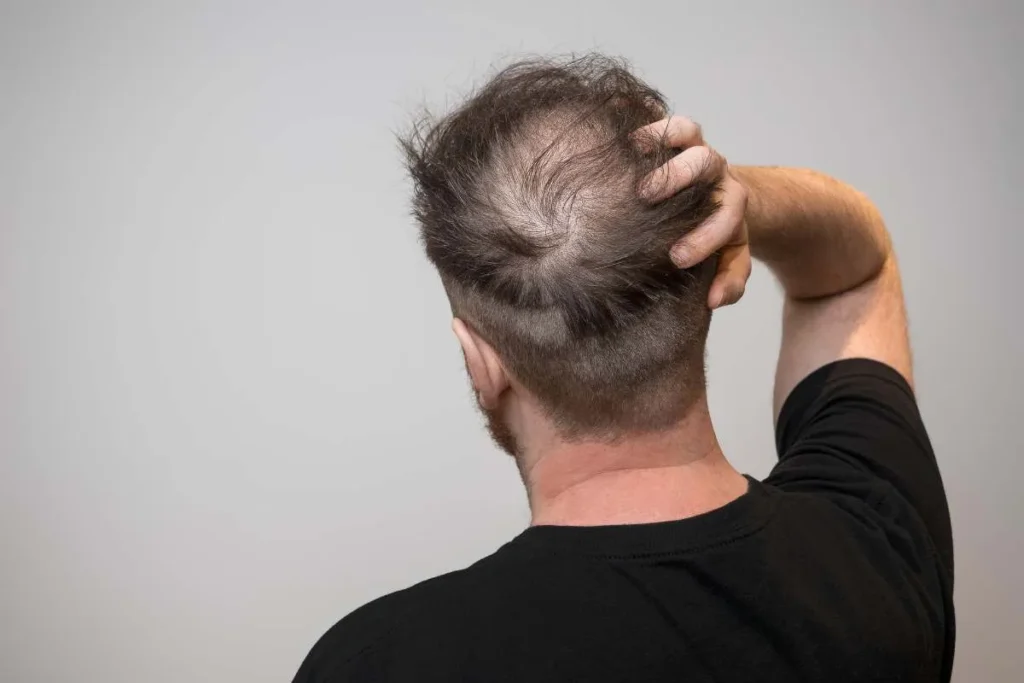
It’s important to know the signs of alopecia areata early. This helps in getting the right treatment. Alopecia areata causes hair loss that can be sudden and distressing.
The condition shows itself in several ways. One key symptom is round or oval bald patches on the scalp or body. These patches are smooth and often appear without warning.
Round or Oval Bald Patches
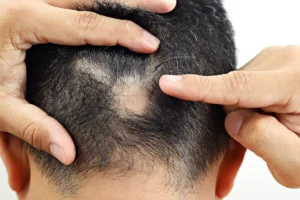
Alopecia areata is known for its round or oval bald patches. These patches are clear and can be different sizes. They usually show up on the scalp but can also appear on other hairy parts of the body.
Exclamation Mark Hairs
Exclamation mark hairs are another sign. These are broken hairs that look like an exclamation mark. They happen when the hair follicle weakens, causing hair to break off.
Seeing exclamation mark hairs means alopecia areata is getting worse. These hairs often show up before or with bald patches.
Smooth, Non-Scarring Patches
Alopecia areata is also known for smooth, non-scarring patches of hair loss. Unlike other hair loss, alopecia areata doesn’t cause scars. The skin in these areas looks normal.
Before hair loss, people might feel itching, burning, or tingling. These feelings can be a sign that hair loss is coming.
Knowing these signs is key for getting help early. It can make a big difference in how alopecia areata affects your life.
Alopecia Expert
Associated Symptoms and Sensations
Alopecia areata is more than just hair loss. It comes with a range of symptoms and sensations. These can greatly affect how someone feels about their condition.
Pre-Hair Loss Sensations
People with alopecia areata might feel itching, burning, or tingling before hair loss. “I’ve had clients tell me they felt a tingling sensation before the hair fell out,” a dermatologist shared. These feelings can signal the start of the condition.
Nail Abnormalities
Nail issues are common in alopecia areata. Symptoms include pitting, ridging, or brittleness. Nails might also become thinner or more fragile. Keeping an eye on nail health is key in managing alopecia areata.
Redness Around Hair Follicles
Redness and inflammation around hair follicles are symptoms of alopecia areata. This redness is due to the body’s immune system attacking hair follicles. Spotting these signs early can lead to quicker medical help.
It’s important to know about these symptoms and sensations. They help identify alopecia areata early. If you notice any, seeing a healthcare professional for a diagnosis and treatment is a good step.
Progression and When to Seek Help
Alopecia areata can progress differently for everyone. Sometimes, it stays the same, but other times, it spreads. If you notice round or oval bald patches, it’s time to get help.
Getting an early diagnosis and treatment is key. At Gold City Hair, our experts provide top-notch care. They can help you understand if you have alopecia and guide you through the next steps.
Recognizing alopecia symptoms and getting help quickly is important. It’s the first step towards managing the condition and possibly growing back your hair. If you’re worried about hair loss, contact us. We’ll explain how to identify alopecia and discuss treatment options.
FAQ
What are the primary signs of alopecia areata?
The main sign of alopecia areata is sudden, round or oval patches of hair loss on the scalp or other areas of the body. The skin in these areas usually appears smooth and normal without scarring.
How do I know if I have alopecia areata?
You may have alopecia areata if you notice sudden patchy hair loss that develops over days or weeks. A healthcare professional can confirm the diagnosis through a scalp examination and sometimes additional tests.
What are the associated symptoms of alopecia areata?
Most people experience only hair loss, but some may notice mild itching, tingling, or burning in affected areas before hair falls out. The condition is autoimmune and does not usually cause pain.
Can alopecia areata cause nail abnormalities?
Yes, alopecia areata can sometimes cause nail changes such as pitting (small dents), ridges, thinning, or roughness. These nail symptoms occur in a minority of people with the condition.
What should I do if I’m experiencing symptoms of alopecia areata?
If you suspect alopecia areata, schedule an appointment with a dermatologist for proper evaluation and guidance. Early medical advice can help you explore treatment options and manage progression.
How can I tell if I have alopecia areata or another condition?
Alopecia areata typically causes smooth, round bald patches, while other conditions like fungal infections or traction hair loss may have redness, scaling, or broken hairs. A medical professional can distinguish between them accurately.
Are there any sensations before hair loss occurs in alopecia areata?
Some individuals report itching, tingling, or a slight burning sensation in the area before hair loss begins. However, many people experience no warning signs at all.
Can I treat alopecia areata on my own?
Mild cases may regrow hair without treatment, but self-treatment is not usually recommended without medical advice. A dermatologist can suggest therapies such as corticosteroids or other treatments tailored to your condition.
References
National Center for Biotechnology Information. Evidence-Based Medical Insight. Retrieved from https://pmc.ncbi.nlm.nih.gov/articles/PMC6676805/[4