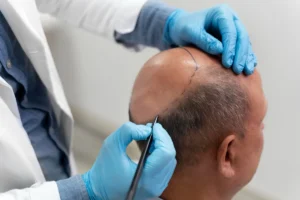
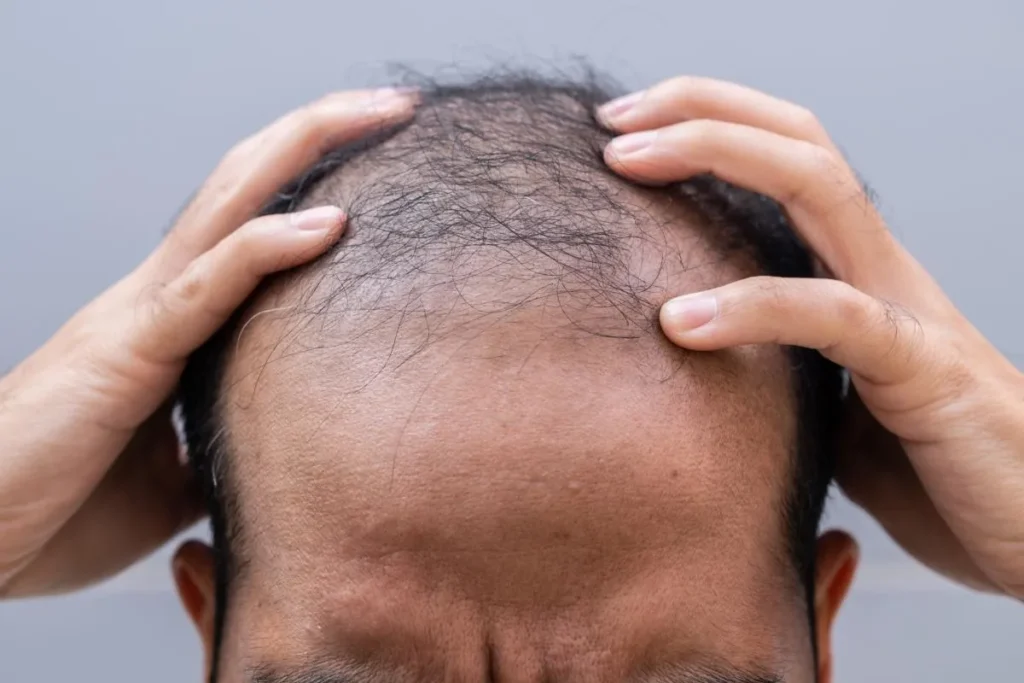
Hair loss is a big worry for many men and women around the world. About two-thirds of American men start to lose hair by age 35. Knowing the early signs of balding is key to acting fast and feeling better.
Am i balding or is it just my part? Discover the amazing truth about hair spacing and learn how to identify real thinning before it is too late.
At gold city hair, we focus on giving you reliable advice. We help you spot hair loss early and find the right solutions. Our team uses cutting-edge technology and personalized care to help you reach your hair goals.
Key Takeaways
Understand the prevalence of hair loss among men and women
Recognize the early signs of balding for timely intervention
Explore appropriate evaluation and management options for hair loss
Discover the importance of personalized care in hair restoration
Learn about cutting-edge technology in hair restoration
Understanding Hair Loss and Its Prevalence
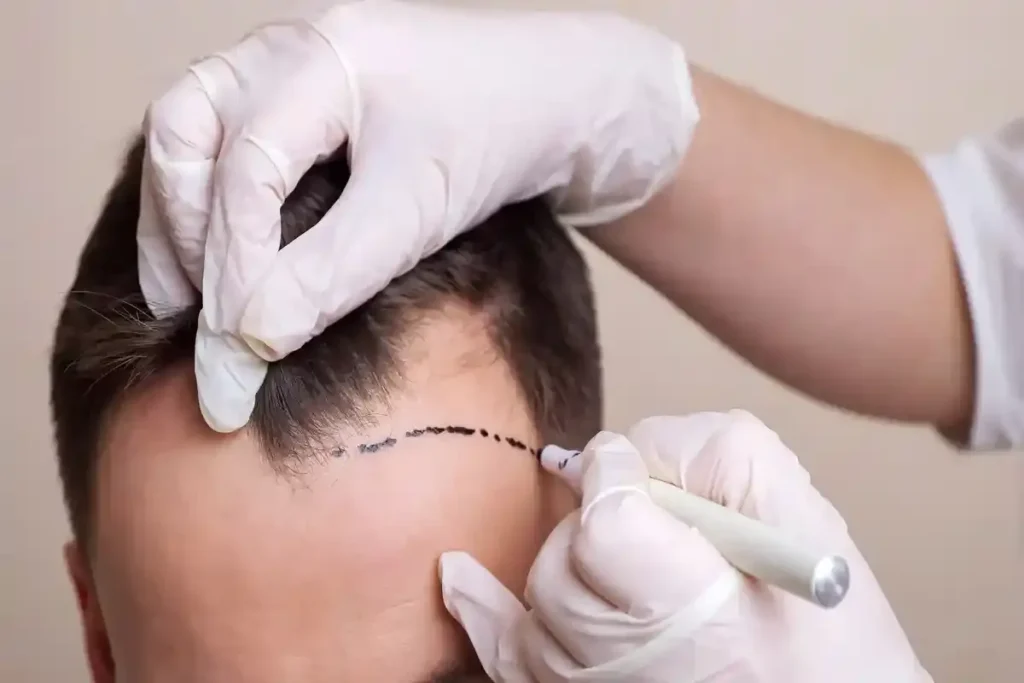
Hair loss, or alopecia, is more than a cosmetic issue. It’s a condition that needs understanding and action. Many factors can cause hair loss, like genetics, hormonal changes, and the environment.
What Is Androgenetic Alopecia?
Androgenetic alopecia, or pattern baldness, is the most common hair loss type. It leads to hair thinning on the scalp due to a hormone called DHT. This hormone makes hair follicles shrink.
Androgenetic alopecia affects both men and women. Men often see a receding hairline. Women notice a wider hair part or thinning on the crown.
Statistics on Hair Loss Across Age Groups
Hair loss is common across different ages. By 35, about 40% of men and 25% of women start losing hair. By 50, these numbers jump to 85% of men and 33% of women.
Male vs. Female Pattern Baldness
Male pattern baldness starts with a receding hairline and can lead to baldness on the crown. Female pattern baldness shows as thinning over the scalp, not complete baldness.
Starting to understand and address hair loss can boost confidence. With the right knowledge and treatments, people can begin to restore their hair and confidence.
Common Signs That Indicate You’re Going Bald
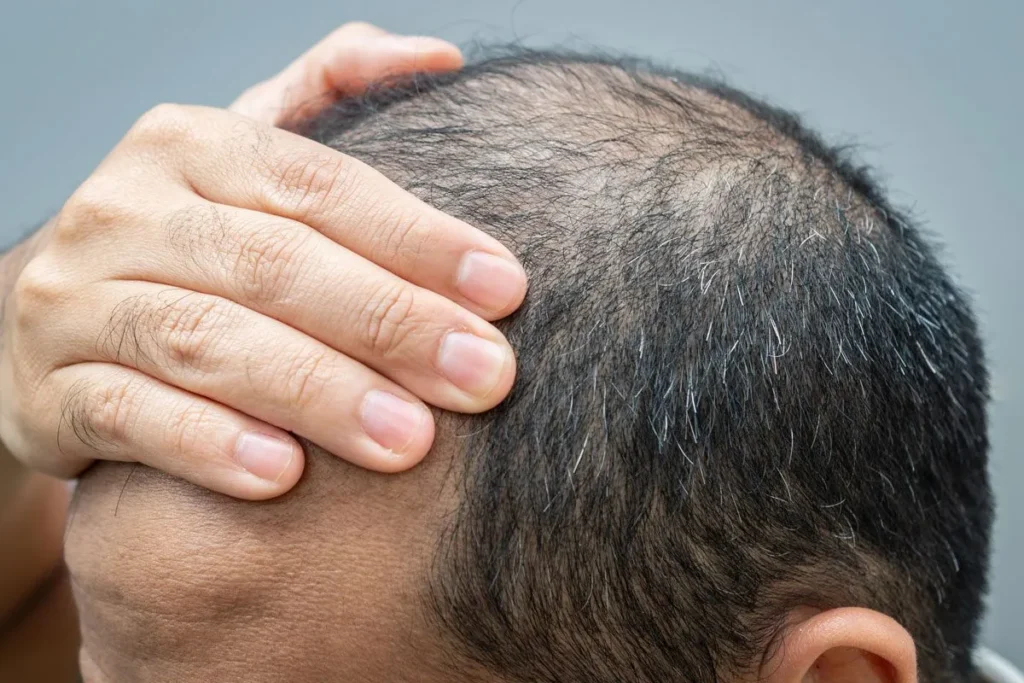
If you’re worried about balding, knowing the signs can help. Hair loss is normal, but too much can worry many.
Receding Hairline at the Temples
A receding hairline is a common sign of balding, seen at the temples. It’s linked to androgenetic alopecia, a genetic hair loss. As it recedes, it can make an ‘M’ shape, common in men.
Thinning at the Crown
Thinning at the crown is another sign of balding. The crown is sensitive to DHT, leading to hair loss. Thinning hair is more noticeable when wet or styled a certain way.
Reduction in Overall Hair Density
A reduction in overall hair density is a subtle but important sign. As hair loss grows, the scalp shows more. This is worrying for those who once had a full head of hair.
Wider Hair Parting
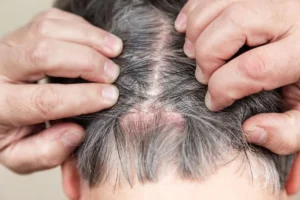
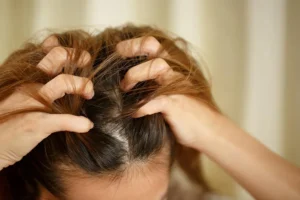
A wider hair parting also shows balding. Thinning hair makes the parting more visible. This is an early sign, often seen in women.
Spotting these signs early can help address hair loss. Whether through medical treatment, lifestyle changes, or hair restoration, knowing the signs is key to confidence.
Am I Balding or Is It Just My Part? Diagnostic Methods
To ease worries about hair loss, it’s key to use the right methods to check your hair loss. Knowing if you’re losing hair normally or balding can guide you on what to do next.
Normal Hair Shedding vs. Balding
It’s normal to lose some hair every day. But, balding means losing a lot of hair that doesn’t grow back. It’s important to tell the difference to know how to act.
Normal hair loss is when you lose 50-100 hairs a day. This is part of the natural cycle, and new hair grows to replace it. Balding, on the other hand, is a bigger hair loss. It can be due to genetics, hormonal changes, or health issues.
The Pull Test: A Simple Home Assessment
The pull test is an easy way to check hair loss. Hold a small section of hair between your thumb and index finger. If more than 3-4 hairs come out, it might be balding.
Using Photography to Track Changes Over Time
Photography can help track hair loss over time. Take photos of your scalp from the same spot and distance regularly. This can show you any changes or patterns in hair loss.
Mirror Techniques for Examining Your Scalp
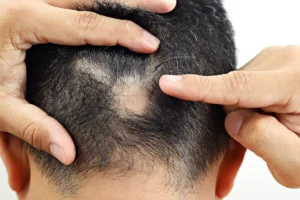
Use a mirror to closely look at your scalp. Check for thinning, receding hairlines, or bald spots. Noticing these signs can help you understand your hair loss better.
By using these methods, you can better understand your hair loss. This knowledge can help you decide what to do next. Whether it’s talking to a professional or looking into treatments, knowing is the first step.
Conclusion: Managing Hair Loss Concerns
Figuring out if you’re going bald can be tough and sensitive. Spotting signs like a receding hairline or thinning at the crown is key. It helps catch hair loss early and treat it.
If you see signs of balding, act fast. Use tests like the pull test, photography, and mirror techniques to check your hair loss.
Getting your confidence back starts with tackling hair loss. Early detection lets you try different treatments. Talking to a hair restoration expert can give you tailored advice and help you reach your hair goals.
Knowing how to spot balding and acting quickly can help keep your hair healthy and full. Getting expert advice and using the latest technology can greatly improve your hair restoration journey.
FAQ
What are the early signs of balding?
Early signs include a receding hairline, thinning at the crown, wider hair part, excessive hair shedding, and finer or weaker hair strands.
How can I tell if I’m going bald or just shedding hair?
Temporary shedding usually comes and goes, while balding shows persistent thinning, visible scalp, and gradual progression over months or years.
What is androgenetic alopecia?
Androgenetic alopecia is genetic pattern hair loss caused by sensitivity to hormones called androgens, leading to hair follicle miniaturization and gradual thinning.
Can I prevent or treat balding?
Early intervention helps. Treatments include topical minoxidil, oral finasteride, PRP therapy, low-level laser therapy, and hair transplants. A healthy lifestyle may also slow progression.
How common is hair loss?
Hair loss affects both men and women, with male pattern baldness affecting around 50% of men by age 50 and female pattern hair loss affecting a significant number of women over 40.
What is the difference between male and female pattern baldness?
Men typically lose hair at the temples and crown, forming an “M” shape, while women usually experience diffuse thinning across the top and widening of the part line, rarely leading to complete baldness.
Can stress cause balding?
Yes, chronic stress can trigger temporary hair loss (telogen effluvium), making hair thinner or shedding more, though it usually resolves once stress is managed.
How can I determine if I’m experiencing premature balding?
Premature balding is indicated by noticeable thinning or hairline recession before age 25, often with a family history of early hair loss. A dermatologist can confirm the diagnosis.
Are there any home remedies to help with balding?
Home remedies may improve scalp health and reduce breakage, such as scalp massages, proper nutrition, gentle hair care, and using nourishing oils, but they generally cannot reverse genetic balding.
References
National Center for Biotechnology Information. Evidence-Based Medical Insight. Retrieved from https://pmc.ncbi.nlm.nih.gov/articles/PMC5312176/