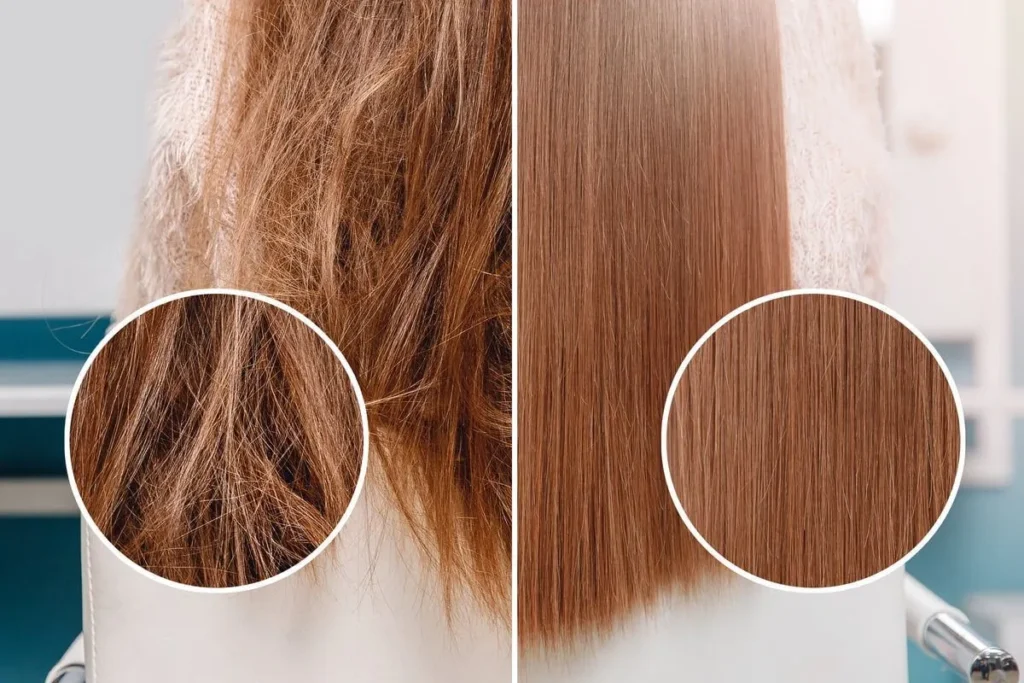
Dealing with frizzy hair every day can be tough, even more so in humid places. Anti-frizz sprays are now key in hair care, helping to tame frizzy hair. Clayton Hawkins, an amika stylist, says they make hair shiny and protect it from humidity.
These sprays smooth the hair cuticle, cut down on flyaways, and shield against heat damage. Adding an effective anti-frizz spray to your daily routine can make your hair smooth and silky. It will also keep it looking great for days, even in humid weather.
Key Takeaways
Understand the science behind anti-frizz sprays and their benefits.
Learn how to choose the right anti-frizz spray for your hair type.
Discover tips for using anti-frizz sprays effectively in your hair care routine.
Explore the advantages of using anti-frizz sprays for humidity control.
Find out how anti-frizz sprays can protect your hair from heat styling damage.
Understanding Frizz and How Anti-Frizz Products Work

Frizz is a common hair problem caused by hair structure and the environment. It happens when the hair cuticle lifts, letting moisture in and swelling the hair shaft.
The Science Behind Hair Frizz
Humidity is the main cause of frizz. It makes hair absorb moisture, swell, and lift the cuticle layer. This creates friction and frizzy hair. Advanced anti-frizz products, like Moroccanoil’s Frizz Shield Spray, use new technology to fight this.
How Anti-Frizz Sprays Combat Humidity
Anti-frizz sprays create a barrier around the hair shaft to protect it from humidity. Moroccanoil’s Frizz Shield Spray uses HydroResist Technology to repel humidity and control frizz for a long time. Studies show these sprays can cut frizz by up to 70 percent and protect against humidity for 72 hours. They smooth the hair cuticle and reduce moisture, keeping hair smooth even in tough conditions.
Anti-frizz sprays work well because of their ingredients. They often have silicone to smooth the hair and reduce frizz. Some also have heat-activated technology to fight frizz even more when used with styling tools.
Choosing the Best Anti Frizz Spray for Your Hair Type
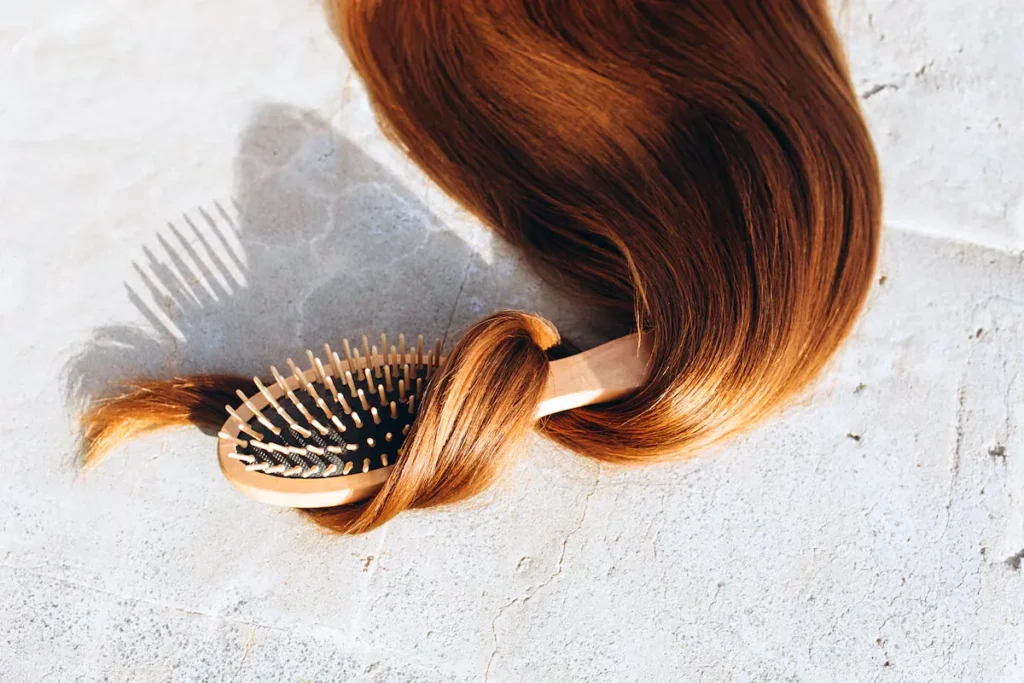
Finding the right anti-frizz spray is key to smooth, frizz-free hair. It’s important to know your hair type and what it needs.
Key Ingredients to Look For
Good anti-frizz sprays have ingredients that smooth and nourish your hair. Silicone-based compounds smooth the hair, while vitamin E and antioxidants nourish it.
Look for sprays with heat-activated technology. They protect against frizz, even in humid weather.
Popular Anti-Frizz Spray Options
Many anti-frizz sprays are popular for their results. Moroccanoil Frizz Shield Spray is one. It has argan oil, jackfruit fruit extract, and amaranth seed extract. These ingredients nourish and protect your hair.
When picking an anti-frizz spray, think about your hair type and frizz problems. There’s a product for every hair type, whether it’s dry, damaged, or oily.
Step-by-Step Application Techniques for Frizz-Free Results
Getting frizz-free hair starts with the right application of your anti-frizz spray. Whether it’s Moroccanoil’s Frizz Shield Spray or another product, knowing how to apply it is key. It can greatly improve your hair’s look.
Using Anti-Frizz Spray on Damp Hair
Using anti-frizz spray on damp hair protects against humidity and heat. Here’s how to do it right:
After washing, gently towel-dry your hair until it’s damp.
Spray the product all over your hair, paying extra attention to the ends.
Use a comb or brush to spread it evenly.
Then, style your hair as usual, whether blow-drying, curling, or straightening.
Moroccanoil’s Frizz Shield Spray works best on damp hair. It shields against humidity and heat.
Applying to Dry Hair as a Finishing Touch
Applying anti-frizz spray to dry hair adds a protective layer and smoothness. Here’s how:
After styling, take a small amount of spray and rub it in your palms.
Run your hands through your hair, focusing on frizzy areas.
For extra smoothness, use a comb or brush to work it through.
This method is great for touch-ups or taming flyaways.
By using these techniques, you can keep your hair frizz-free and healthy-looking, no matter the weather.
Conclusion: Maintaining Smooth Hair in Any Weather
Keeping your hair smooth in any weather is possible with the right products and techniques. An effective anti-frizz spray can greatly help. It keeps your hair frizz-free and easy to manage.
Products like Moroccanoil styling spray can fight frizz in just a couple of steps. Amika’s frizz-fighting technology also takes smooth hair seriously. It offers a “fight frizz in 2 steps” solution, making hair care simpler.
Choosing the right spray for frizzy hair and applying it correctly is key. This way, you can enjoy smooth, sleek locks no matter the weather. An air frizz spray can help you keep your hairstyle looking great, whether it’s humid or dry.
Investing in a quality rizz spray or anti-frizz spray is important for your hair care. With the right product and technique, you can say goodbye to frizzy hair. Hello to a smoother, more manageable mane.
FAQ
Best Anti-Frizz Spray for Frizzy Hair
Color Wow Dream Coat or Living Proof No Frizz are top-rated for versatile frizz control, with Moroccanoil a strong contender.
How Anti-Frizz Spray Works
It coats the hair cuticle with silicones, oils, or polymers to seal out humidity, smooth strands, reduce static, and lock in moisture.
Using on Dry Hair
Yes, most work on dry hair for touch-ups, adding shine without greasiness; lightweight formulas like All Eyes On Me excel here.
Key Ingredients
Look for silicones (dimethicone), oils (argan, jojoba), humectants (glycerin), polymers (polyquaternium), and heat/UV protectors.
Application Tips
Spritz evenly on towel-dried or dry hair from 8-10 inches away, focusing mid-lengths to ends; comb through, then style.
Suitable for All Hair Types?
Generally yes, but best for wavy/curly; fine straight hair may need lightweight versions to avoid limpness.
Moroccanoil for Curly Hair?
Yes, its argan oil hydrates and defines curls while shielding frizz effectively in humidity.
References
National Center for Biotechnology Information. Evidence-Based Medical Insight. Retrieved from https://pmc.ncbi.nlm.nih.gov/articles/PMC4387693/