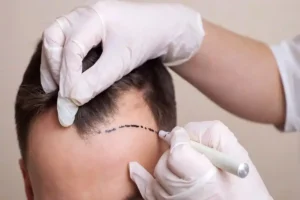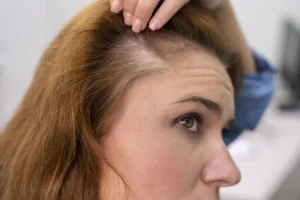
Many men and women notice that the back hairline begins to recede or thin over time, creating a visible gap that can affect confidence. Whether the change is due to genetics, hormonal shifts, or everyday stress, understanding the root causes is the first step toward a lasting solution. In this article we explore the anatomy of the back hairline, non‑surgical remedies, and the most advanced surgical techniques, including FUE and DHI hair transplants, that can give you a natural‑looking result.
According to recent dermatology studies, up to 40 % of adults experience noticeable hairline recession by age 35, and the numbers rise sharply after 50. This makes early intervention crucial, especially for those who prefer a subtle, natural look rather than a dramatic overhaul. We’ll walk you through practical strategies, the science behind each method, and what to expect during the restoration journey.
By the end of this guide you will know how to assess your own back hairline, choose the right approach for your lifestyle and budget, and select a reputable clinic that prioritizes safety, expertise, and personalized care.
Understanding the Back Hairline and Its Causes
The back hairline is the lowermost edge of hair on the occipital region, often overlooked but essential for balanced facial framing. When this area thins, it can create a “M‑shaped” silhouette or a noticeable gap behind the ears. Several factors contribute to this condition:
- Genetic predisposition: Family history of androgenic alopecia often targets the occipital scalp.
- Hormonal fluctuations: DHT (dihydrotestosterone) can shrink hair follicles in the back region.
- Trauma or tight hairstyles: Repeated pulling from braids or low ponytails can cause traction alopecia.
- Medical conditions: Thyroid disorders, anemia, and autoimmune diseases may lead to diffuse thinning.
- Age‑related changes: Natural reduction in follicular density after the fourth decade.
Below is a quick comparison of the most common causes and their typical presentation:
| Cause | Pattern of Loss | Typical Onset |
|---|---|---|
| Genetic (Androgenic) | Gradual recession, often symmetrical | Late teens to early 30s |
| Traction Alopecia | Sharp line, usually localized | Any age with tight styling |
| Hormonal (DHT) | Diffuse thinning, may affect crown | Mid‑20s onward |
| Medical (Thyroid, Anemia) | Overall thinning, not limited to back | Variable, often sudden |
Identifying the underlying cause helps you select the most effective treatment, whether it’s a lifestyle adjustment, medication, or a surgical option.

Non‑Surgical Strategies to Improve a Back Hairline
Before considering surgery, many patients explore non‑invasive methods that can slow or partially reverse thinning. These approaches are especially useful for early‑stage recession and for individuals seeking a low‑risk solution.
Topical Treatments
Minoxidil (2 % or 5 %) is the most widely studied over‑the‑counter solution for back hairline thinning. Applied twice daily, it promotes blood flow to the follicles and can increase hair density within 3–6 months. For those with sensitive skin, a low‑dose formulation or a prescription‑strength product may be recommended by a dermatologist.
Oral Medications
Finasteride, a prescription pill that blocks DHT formation, is effective for many men with androgenic patterns. Women may consider spironolactone or oral anti‑androgens under medical supervision. Both options require ongoing use to maintain results.
Lifestyle Adjustments
- Balanced diet rich in biotin, zinc, and omega‑3 fatty acids.
- Stress management through meditation, exercise, or therapy.
- Avoiding harsh chemicals and heat styling that can damage the occipital hair.
- Gentle hair care: use a wide‑tooth comb and avoid tight hairstyles that pull on the back hairline.
Low‑Level Light Therapy (LLLT)
LED devices emitting red or near‑infrared light have shown promise in stimulating dormant follicles. Sessions of 15‑20 minutes, three times a week, can complement topical treatments.
While these methods can improve hair density, they typically do not restore a fully receded back hairline. For many patients, combining non‑surgical care with a later surgical procedure yields the best long‑term outcome.
Surgical Options: FUE and DHI for Back Hairline Restoration
When non‑surgical methods fall short, a hair transplant offers a permanent solution. The two most advanced techniques for back hairline reconstruction are Follicular Unit Extraction (FUE) and Direct Hair Implantation (DHI). Both methods harvest healthy follicles from a donor area—usually the back of the scalp—and re‑implant them into the thinning zone.
FUE (Follicular Unit Extraction)
In FUE, individual follicular units are removed using a micro‑punch tool (typically 0.8‑1.0 mm). The process leaves tiny, dot‑like scars that are virtually invisible. Advantages include:
- High precision and control over graft placement.
- Shorter recovery time compared to strip harvesting.
- Flexibility to design a natural‑looking hairline shape.
DHI (Direct Hair Implantation)
DHI utilizes a proprietary implanter pen that places grafts directly into the recipient site without creating prior incisions. This results in:
- Reduced handling of grafts, preserving follicle vitality.
- Higher graft survival rates, especially important for delicate back hairline work.
- More accurate depth control, essential for achieving a seamless transition.
Below is a side‑by‑side comparison of the two techniques:
| Feature | FUE | DHI |
|---|---|---|
| Extraction Method | Micro‑punch, individual grafts | Micro‑punch with implanter pen |
| Implantation | Pre‑made recipient sites | Direct placement, no pre‑incisions |
| Scarring | Dot‑like, minimal | Even less visible |
| Graft Survival Rate | 85‑90 % | 90‑95 % |
| Ideal Candidate | Moderate to extensive loss | Fine, precise hairline shaping |
Both FUE and DHI are performed under local anesthesia, and most patients return to normal activities within 2–4 days. The choice between them depends on the desired hairline density, scalp laxity, and the surgeon’s expertise.
Aftercare and Long‑Term Maintenance for a Healthy Hairline
Successful restoration does not end when the grafts are placed. Proper aftercare maximizes graft survival and ensures a natural growth pattern for the back hairline.
Immediate Post‑Procedure Care
- Keep the scalp clean with a gentle, sulfate‑free shampoo starting 48 hours after surgery.
- Avoid direct sunlight, excessive heat, and strenuous exercise for the first week.
- Follow the surgeon’s prescribed medication schedule, typically including antibiotics and anti‑inflammatory agents.
Mid‑Term Maintenance (Weeks 2–12)
During the first three months, newly transplanted follicles enter a resting phase before shedding and regrowing. It’s normal to notice some shedding; this is part of the growth cycle. Continue using minoxidil if recommended, and consider low‑level light therapy to boost circulation.
Long‑Term Strategies (6 Months and Beyond)
- Maintain a nutrient‑rich diet with proteins, iron, and vitamins A, C, and E.
- Schedule regular check‑ups with your clinic to monitor hair density.
- Use gentle styling tools; avoid tight caps or headbands that could stress the grafts.
- Consider periodic PRP (platelet‑rich plasma) sessions to sustain follicle health.
By integrating these aftercare steps, patients often see a fuller, more natural‑looking back hairline within 9–12 months, with continued improvement up to 18 months post‑procedure.
Choosing the Right Clinic for Your Back Hairline Procedure
When it comes to hair restoration, the expertise of the surgical team and the quality of the facility are paramount. Here are key factors to evaluate:
- Credentials and Experience: Look for board‑certified surgeons with a minimum of five years performing FUE or DHI, specifically for back hairline cases.
- Technology and Facility Standards: Clinics that use state‑of‑the‑art microscopes, sterile environments, and advanced implanter pens tend to achieve higher graft survival.
- Patient Testimonials: Real‑world outcomes, before‑and‑after photos, and transparent success rates are strong indicators of reliability.
- Personalized Consultation: A thorough assessment that includes scalp analysis, medical history, and realistic goal setting ensures a tailored plan.
- Post‑Procedure Support: Ongoing follow‑up appointments and access to aftercare resources contribute to long‑term satisfaction.
Choosing a clinic that aligns with these criteria not only improves the aesthetic result but also minimizes risks and enhances overall confidence throughout the journey.
Why Choose Gold City Hair
Gold City Hair has been delivering safe, effective hair restoration solutions in Turkey since 2017. Our team of experienced surgeons specializes in FUE and DHI techniques, offering personalized treatment plans for every back hairline case. We prioritize transparent communication, state‑of‑the‑art facilities, and a supportive aftercare program that helps you achieve natural, lasting results.
Ready to restore your back hairline and regain confidence? Contact Gold City Hair today to schedule a free, no‑obligation consultation and discover the best solution for your unique needs.
FAQ
What causes a back hairline to recede?
Genetics, hormonal changes, traction from tight hairstyles, medical conditions, and age‑related follicle loss can all lead to back hairline recession.
Can non‑surgical treatments restore a back hairline?
Non‑surgical options can improve density but rarely fully restore a receded back hairline.
How do FUE and DHI differ for back hairline restoration?
FUE extracts follicles with a micro‑punch and creates pre‑made sites, while DHI uses an implanter pen to place grafts directly without incisions.
What is the typical recovery time after a back hairline transplant?
Most patients resume normal activities within 2–4 days, with full graft maturation taking 9–12 months.
How should I care for my scalp after a back hairline transplant?
Gentle cleansing, sun protection, prescribed medications, and gradual re‑introduction of hair‑care products are key.
Which factors should I evaluate when choosing a clinic for back hairline restoration?
Look for board‑certified surgeons, extensive FUE/DHI experience, modern facilities, transparent results, and personalized consultations.