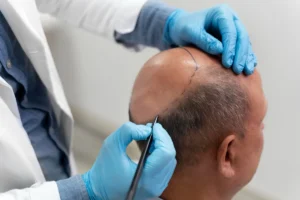
Why are you balding at 18? Discover the scary truth and amazing, powerful ways to stop hair loss and achieve incredible regrowth results now.
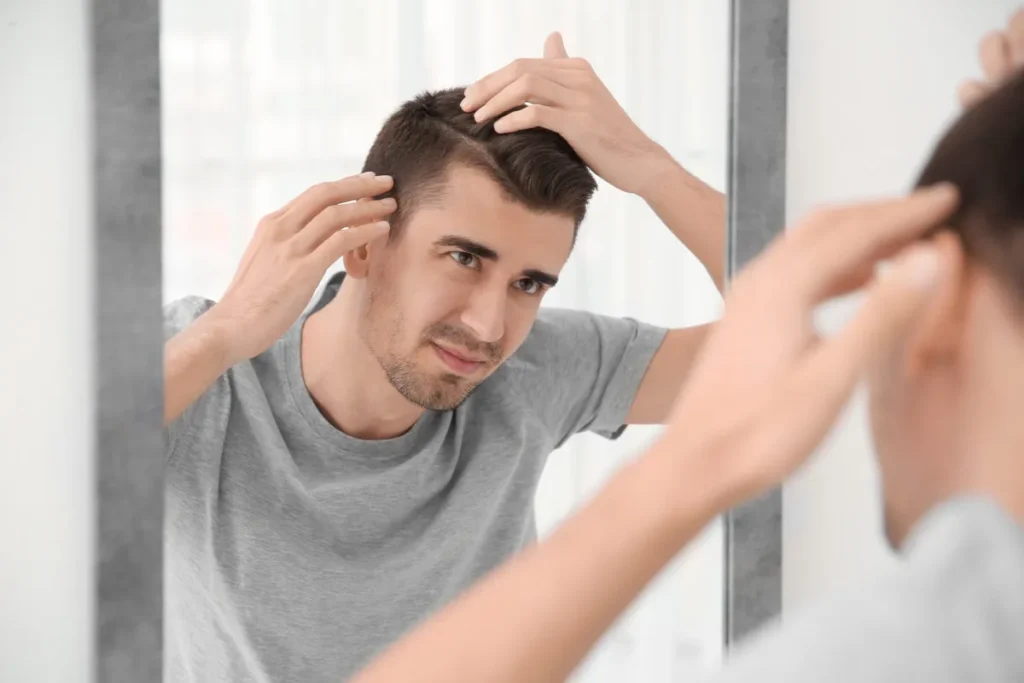
Experiencing hair loss at a young age can be upsetting. But, it’s more common than many think. Research shows that about 16% of men between 18-29 see their hair thinning a lot.
It’s important to know why and how to fix it. Male and female pattern baldness are big reasons. But, other health issues or lifestyle choices can play a part too.
With the right steps, you can fight hair loss and feel better about yourself. This article dives into why hair loss happens early and looks at ways to treat it.
Key Takeaways
Hair loss at 18 is more common than you might think.
Approximately 16% of men between 18-29 experience hair thinning.
Male and female pattern baldness are primary causes.
Lifestyle factors and other conditions can contribute to hair loss.
Understanding the causes is key to finding good treatments.
Understanding Early Hair Loss in Young Men
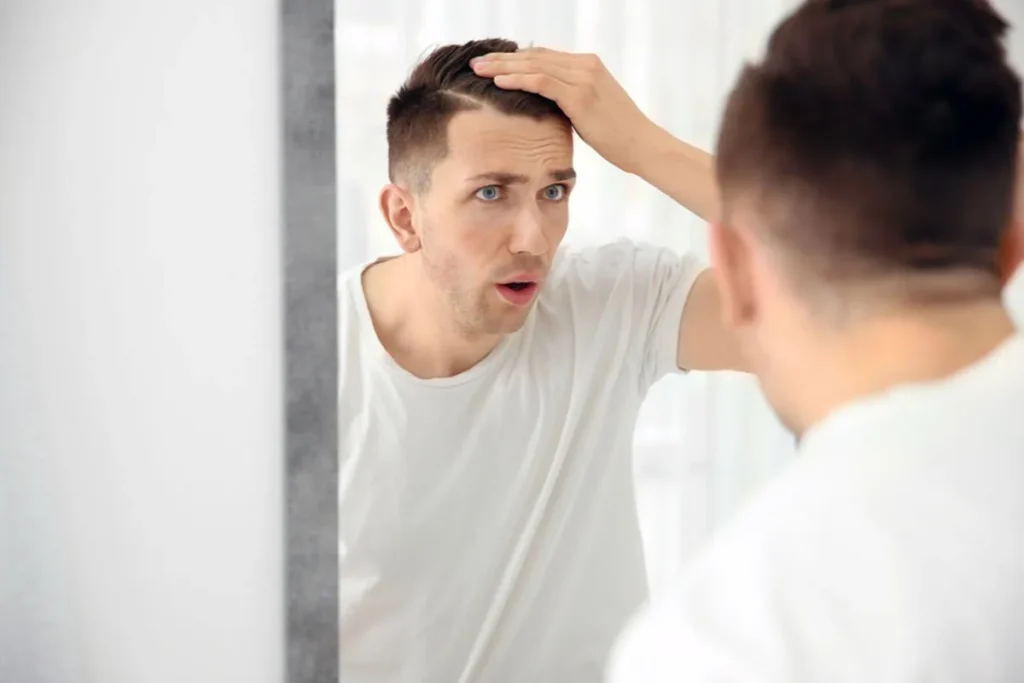
Hair loss in late teens or early twenties can be upsetting for many young men. It affects their looks and can also hurt their feelings. Knowing about early hair loss is key to dealing with it well.
How Common Is Hair Loss at 18?
Hair loss in young men is more common than you might think. About 25% of men with male pattern baldness start losing hair before 21. This shows how big of a problem it is and why we need to know about it.
Research says early balding comes from genes, hormones, and the environment. Knowing this helps us tackle the issue.
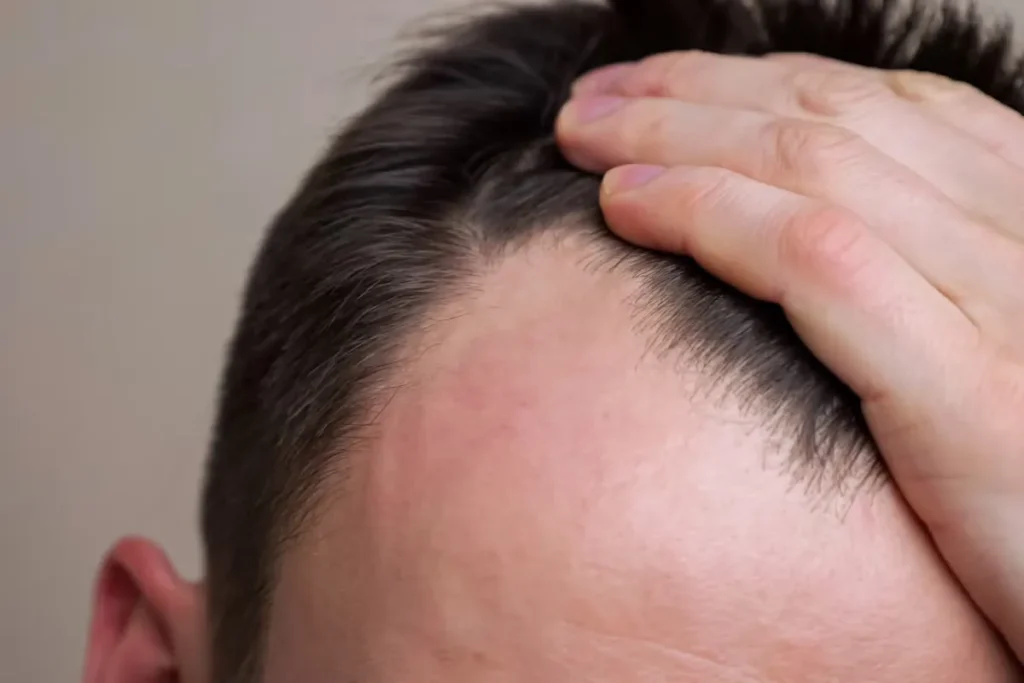
Recognizing the Signs of Early Balding
Spotting early balding signs is important for acting fast. Common signs are:
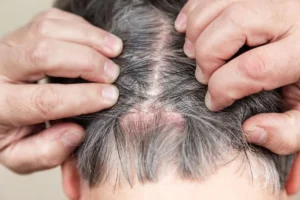
Thinning temples
A receding hairline
Thinning on top of the head
Experts say, “The earlier balding starts, the faster it gets.”
Seeing these signs early lets young men get help and slow down hair loss.
It’s important for young men with hair loss to know they’re not alone. There are many ways to deal with it. By knowing about early balding, they can take steps to fight it.
What Causes Balding at 18?
Balding at 18 can come from genetics, hormones, and lifestyle. Knowing why it happens helps find the best ways to stop it.
Genetics and Androgenetic Alopecia
Androgenetic alopecia is a big reason for balding at 18. It’s passed down in families. It happens when testosterone turns into DHT, shrinking hair follicles and causing hair loss. If your family has balding, you might get it early too.
Hormonal Changes During Late Teens
Hormonal shifts in late teens can also cause hair loss. The rise in androgens during puberty increases DHT, making hair loss worse. Keeping hormones balanced is key to protecting hair health.
Stress, Diet, and Lifestyle Factors
Stress, bad diet, and lifestyle choices can also lead to hair loss in teens. A diet without iron, zinc, and biotin weakens hair follicles. High stress levels also cause hair loss by raising cortisol, a hormone that messes with hair growth.
Eating foods rich in vitamins and minerals helps hair stay healthy.
Lowering stress with meditation or yoga is good too.
Choosing gentle hair care products can also reduce hair loss.
Understanding why balding happens at 18 helps young men act early. Whether it’s genetics, hormones, or lifestyle, there are ways to fight hair loss.
Effective Solutions for Teen Hair Loss
Finding the right solutions for teen hair loss is key to feeling confident again. Teens dealing with hair loss can find help in various treatments and lifestyle changes.
Studies show that treatments for hair loss depend on the cause. They range from over-the-counter options like minoxidil to prescription drugs and lifestyle tweaks. It’s vital to find out why hair is falling out to pick the best treatment.
FDA-Approved Treatments
For many teens, FDA-approved treatments are a solid choice. Minoxidil, known as Rogaine, is a topical solution. It helps grow hair and slow down loss.
“Minoxidil is the only FDA-approved treatment for androgenetic alopecia in teenagers,” says a top dermatologist. This makes it a favorite for teens with thinning hair.
Natural Remedies and Supplements
Natural remedies and supplements can also help. Biotin, vitamin D, and saw palmetto are good for hair health.
Biotin: Helps strengthen hair follicles
Vitamin D: Essential for overall hair health
Saw Palmetto: May help block the conversion of testosterone to dihydrotestosterone (DHT), a hormone associated with hair loss
Lifestyle Modifications That Help
Changing your lifestyle can greatly improve hair health. Reducing stress, eating well, and avoiding too much heat styling can help.
When to See a Dermatologist
While many cases of teen hair loss can be managed at home, sometimes a dermatologist is needed. If hair loss is severe or comes with itching or redness, see a dermatologist.
Getting help early can greatly improve results. A dermatologist can offer personalized advice and treatment plans.
Conclusion
Understanding hair loss at 18 and its causes is key to finding a solution. Many young men worry about losing their hair, which can hurt their self-esteem. Recognizing signs of balding early can help take action.
Genetics, hormonal changes, stress, diet, and lifestyle all play a part in hair loss. With the right treatment, hair health can be restored, boosting confidence. Options include FDA-approved treatments, natural remedies, and changes in lifestyle.
Young men facing hair loss at 18 should look into these options. Knowing the causes of balding in teens helps make better choices for hair health.
FAQ
What are the signs of balding at 18?
Early signs include a receding hairline (especially at the temples), thinning at the crown, widening part line, excessive shedding, and miniaturized (finer, shorter) hairs. Male pattern hair loss is called Androgenetic alopecia.
Is hair loss at 18 common?
It’s less common but not rare. Early-onset pattern hair loss can begin in the late teens, especially with a strong family history.
What causes balding at 18?
Genetics (androgenetic alopecia) is the most common cause. Other causes include stress, nutritional deficiencies (iron, vitamin D), hormonal imbalances, thyroid issues, and conditions like Telogen effluvium.
Are there effective treatments for hair loss at 18?
Yes. Early treatment works best. Options include topical minoxidil, addressing nutrient deficiencies, managing stress, and medical evaluation if needed. Prescription treatments should be discussed with a doctor.
Can stress cause hair loss at 18?
Yes. Severe physical or emotional stress can trigger telogen effluvium, which causes temporary increased shedding.
How can I prevent hair loss at 18?
Maintain a balanced diet, manage stress, avoid harsh styling, treat scalp conditions early, and seek medical advice if shedding seems excessive.
When should I see a dermatologist for hair loss?
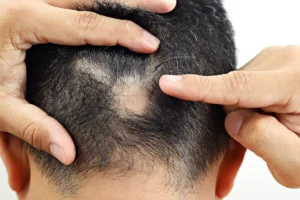
If you notice rapid thinning, patchy bald spots, sudden heavy shedding, scalp pain/itching, or if hair loss continues for more than 3–6 months.
Can I regrow my hair if I’m going bald at 18?
If caught early, treatments like minoxidil may help regrow or thicken miniaturized hair. Results vary depending on the cause and how early treatment starts.
How can I hide balding at 18?
Consider shorter hairstyles, textured cuts, hair fibers, strategic styling, or consulting a barber for a cut that minimizes visible thinning.
References
National Center for Biotechnology Information. Evidence-Based Medical Insight. Retrieved from https://pubmed.ncbi.nlm.nih.gov/9865198/[3