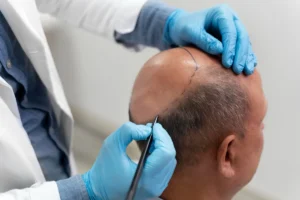
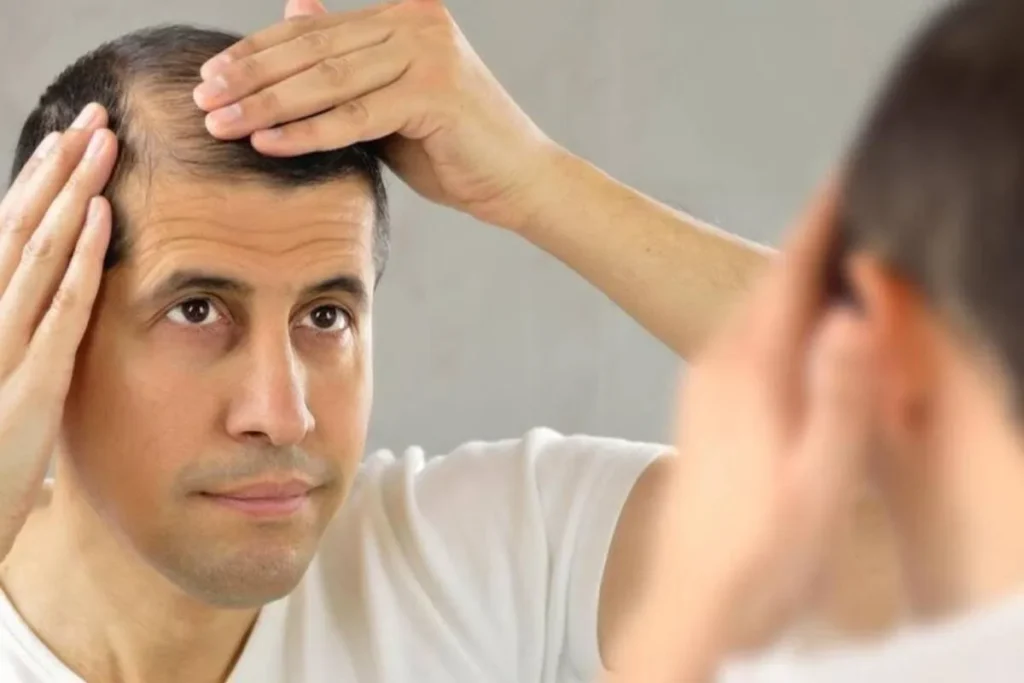
Hair loss on the sides of the head is a common worry for many men. It’s often linked to male pattern baldness or androgenetic alopecia.
Stop balding on sides with amazing powerful cures. Use incredible secrets for amazing regrowth and stop scary hair loss with our expert tips.
By age 50, about half of all men face some hair loss. Two-thirds of American men see noticeable thinning by age 35.
The cause is a mix of genetic factors and male sex hormones. Dihydrotestosterone (DHT) makes hair follicles sensitive to these hormones.
Key Takeaways
Hair loss on the sides is a common sign of male pattern baldness.
Genetic factors and male sex hormones lead to hair loss.
Dihydrotestosterone (DHT) is key in androgenetic alopecia.
By age 50, about half of all men see significant hair loss.
Knowing the causes helps in choosing the right treatment.
Understanding Balding on Sides of the Head
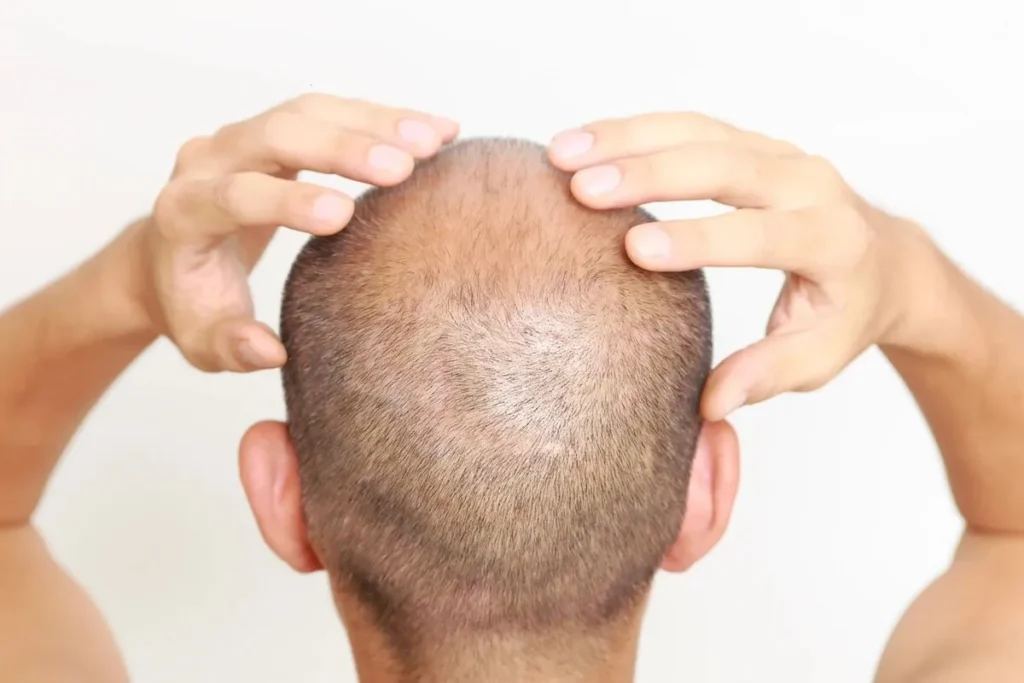
It’s important to know why balding happens on the sides of the head. This condition, known as temporal hair thinning, affects many men. It causes a receding hairline and changes in hair density.
What Causes Temporal Hair Thinning
Genetics and male sex hormones, like dihydrotestosterone (DHT), cause temporal hair thinning. DHT makes hair follicles smaller, leading to thinner and shorter hair.
DHT plays a big role in male pattern baldness. People with a family history of balding are more likely to lose hair. This is because their hair follicles are more sensitive to DHT.
Common Patterns and Progression
Balding on the sides of the head follows a certain pattern. It often starts with a receding hairline that looks like an ‘M’. This is because hair loss happens in the temporal regions, while hair at the back stays the same.
Signs of a receding hairline include a higher hairline and an M-shaped pattern. These changes happen slowly over years.
The Science Behind Side Hair Loss
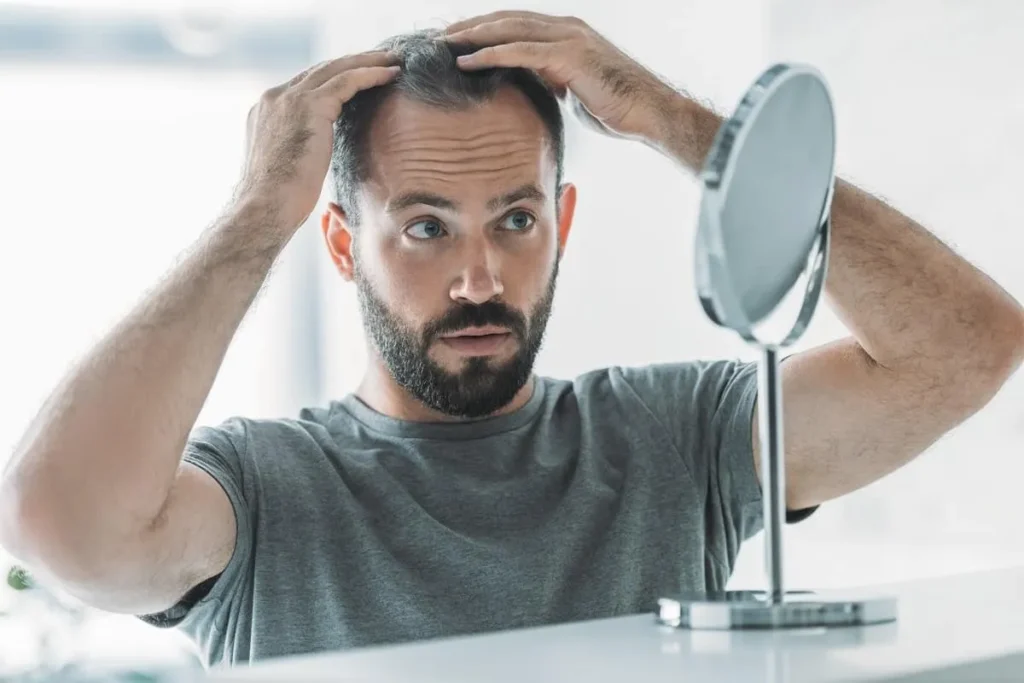
Hair loss on the sides of the head comes from genetics and hormones. It’s a common issue, hitting many, mostly men. This problem is known as balding on the sides.
To understand it, we must look at what causes it. Dihydrotestosterone (DHT), a strong form of testosterone, plays a big role.
The Role of DHT in Hair Follicle Miniaturization
DHT makes hair follicles sensitive. This leads to thinner, shorter hairs. Eventually, hair production stops.
Genetic Factors and Hormonal Influences
Genetics are key in androgenetic alopecia, or male pattern baldness. If your family has balding, you might too.
Hormones, like testosterone turning into DHT, also matter. How sensitive hair follicles are to DHT affects hair loss.
Knowing these causes helps in finding treatments. By tackling the reasons for balding, people can slow down or stop hair loss.
Effective Treatments for Side Hair Loss
Dealing with hair loss on the sides of the head needs a full plan. This includes medical treatments, natural remedies, and changes in lifestyle. Knowing your options is key to managing hair thinning on the sides of the head well.
Medical Interventions
Medical treatments are often the first step for hair loss on the side of the head. Minoxidil and finasteride are two main medicines. Minoxidil is applied to the scalp to help hair grow and slow loss. Finasteride is taken by mouth to block a hormone that shrinks hair follicles.
Minoxidil is easy to get and helps hair grow. Finasteride needs a doctor’s prescription and is mainly for male pattern baldness.
Natural Remedies and Lifestyle Changes
Along with medicine, natural ways and lifestyle changes can help with hair thinning at the sides. Supplements with biotin, vitamin D, and iron support hair health. Scalp massages boost hair growth by improving blood flow.
Lowering stress with meditation or yoga and eating well also helps hair. Low-level laser therapy (LLLT) is another method that stimulates hair follicles.
Combining these methods can help create a good treatment plan for hair loss on the sides of the head. It’s important to talk to a healthcare expert to find the best treatment for you.
Conclusion
Hair loss on the sides of the head is common, hitting many, mostly men. Knowing why it happens is key to finding the right cure.
If you’re losing hair on the sides, see a pro to find out why. Minoxidil and finasteride can help stop hair loss.
Changing your lifestyle can also fight side hair thinning. By tackling the cause and trying treatments, you might stop or slow hair loss.
Getting expert advice is vital for a treatment plan that fits you. With the right steps, you can manage or even reverse hair loss on the sides.
FAQ
What causes hair loss on the sides of the head in males?
Hair loss on the sides can be caused by androgenetic alopecia, traction from tight hairstyles, stress-related shedding, or medical conditions. While classic male pattern baldness usually affects the temples and crown, side thinning can still occur in some men.
How does DHT contribute to hair loss on the sides of the head?
DHT shrinks genetically sensitive hair follicles, shortening the growth phase and producing thinner hairs over time. The sides are typically less sensitive to DHT, but individual variation can make them vulnerable.
Are there any effective treatments for hair loss on the sides of the head?
Treatments may include topical minoxidil, oral finasteride (if DHT-related), PRP therapy, and correcting traction or scalp inflammation if present. Effectiveness depends on the underlying cause.
Can hair loss on the sides of the head be reversed?
If follicles are still active, regrowth is possible with proper treatment. However, if follicles are permanently miniaturized or scarred, regrowth may be limited.
Why is my hair thinning on the sides of my head?
Thinning can result from genetics, chronic tension from hairstyles, nutritional deficiencies, stress, or inflammatory scalp conditions. A medical evaluation can help determine the cause.
Is hair balding on the sides of the head a common issue?
It is less common than crown or temple balding in male pattern hair loss, but it can occur depending on genetics and other contributing factors.
Can lifestyle changes help prevent hair loss on the sides of the head?
Yes, reducing stress, improving nutrition, avoiding tight hairstyles, and maintaining good scalp care can help support hair health and reduce preventable shedding.
References
National Center for Biotechnology Information. Evidence-Based Medical Insight. Retrieved from https://pubmed.ncbi.nlm.nih.gov/23145944/