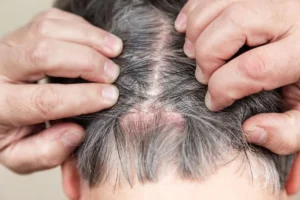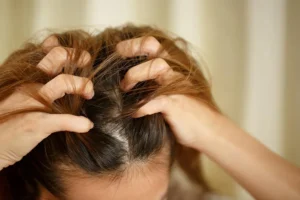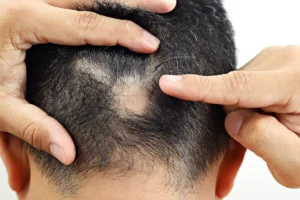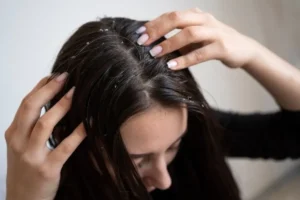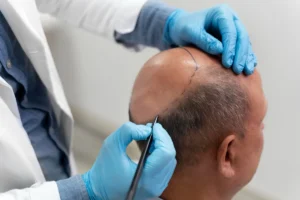
About 85% of men will face hair loss at some point. A big part of this is due to androgenetic alopecia, or male pattern baldness. This starts for some men as early as their late teens. Luckily, there are many effective solutions to help.
Find the best hair loss treatment for male success. Discover amazing, powerful options for incredible regrowth and stop scary balding now.
Hair loss is a big worry for men, with 16% of those between 18 and 29 already showing signs. Effective treatments include FDA-approved drugs and newer surgical and non-surgical methods. Knowing these options is key for men wanting to fight their hair loss.
Key Takeaways
Approximately 85% of men experience hair loss in their lifetime.
Male pattern baldness is a leading cause of hair loss among men.
Various effective treatments are available, including FDA-approved medications and surgical options.
Early signs of hair loss can appear as early as the late teens.
Understanding treatment options is key for addressing hair loss.
Understanding Male Pattern Baldness
Hair loss in men, known as male pattern baldness, is common. It’s caused by genetics and hormones. This condition, androgenetic alopecia, leads to thinning hair, mainly on the top and front of the scalp.
The Science Behind Hair Loss in Men
Hair loss in men is mainly due to testosterone turning into DHT. DHT shrinks hair follicles, making hairs thinner and shorter. Eventually, hair growth stops. This process is influenced by genetics, making some men more prone to hair loss.
The Role of Genetics: Genetics play a big part in male pattern baldness. Men with a family history of baldness are more likely to lose hair.
Common Causes and Risk Factors
Genetics and hormones are the main causes of male pattern baldness. But other factors can make it worse. These include:
Inflammation and oxidative stress harm hair follicles.
Hormonal imbalances, like testosterone to DHT conversion.
Aging increases the chance of hair loss.
Knowing these factors helps find the best male hair loss treatment and best hair growth products for men. The table below lists the main causes and risk factors of male pattern baldness.
Understanding hair loss helps men choose the right proven hair regrowth for men. They can pick from various treatments and products.
Best Hair Loss Treatment for Male Pattern Baldness
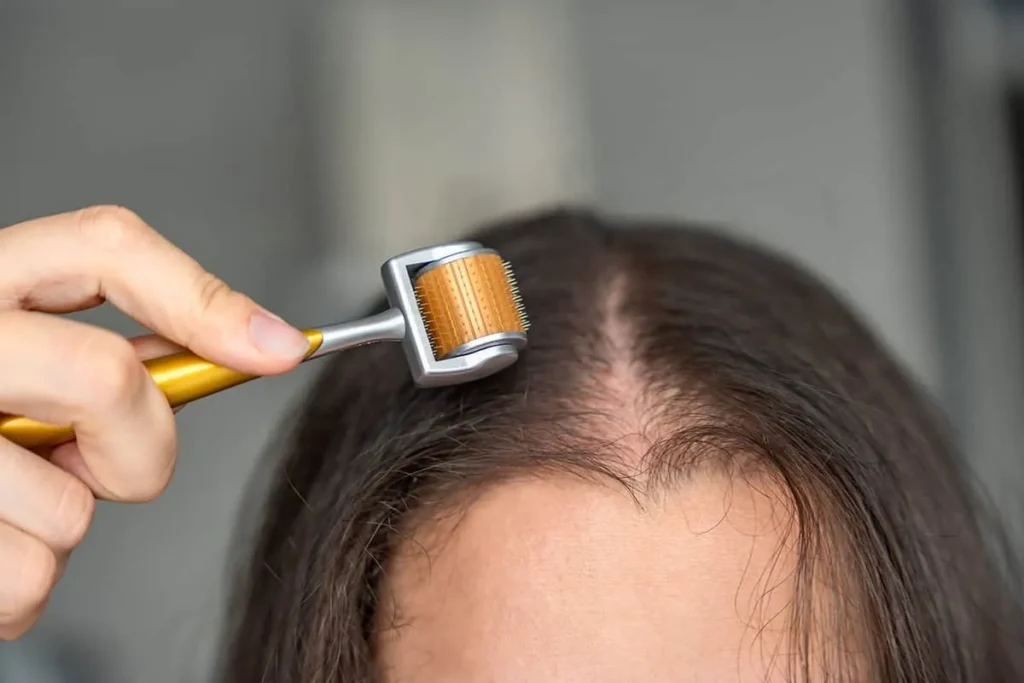
For male pattern baldness, several treatments work well. These include medicines and creams. They help slow down hair loss and even grow new hair.
1. Finasteride (Propecia)
Finasteride, or Propecia, is a pill FDA-approved for baldness in men. It stops testosterone from turning into DHT, a hormone that causes hair loss.
Key benefits: It slows down hair loss and can make some hair grow back.
2. Minoxidil (Rogaine)
Minoxidil, or Rogaine, is a cream you put on your scalp. It’s FDA-approved and makes blood flow better. This can help hair grow.
It comes in 2% and 5% strengths.
You can use it with other treatments.
3. Dutasteride
Dutasteride is a stronger pill than finasteride. It also stops testosterone from turning into DHT. Though not FDA-approved for hair loss, it looks promising in studies.
Potential benefits: It might work better than finasteride and lead to more hair growth.
4. Topical Clascoterone 5%
Topical clascoterone is a new treatment. It blocks androgens like DHT from affecting hair follicles. You apply it to your scalp.
It’s showing great results in early studies for hair loss.
It might have fewer side effects than pills.
Choosing the best hair loss treatment for men depends on several factors. Look at how well it works, its side effects, and how you react to it. Always talk to a doctor to find the right treatment for you.
Advanced Hair Restoration Options
Advanced hair restoration options like PRP therapy, LLLT, and hair transplantation are changing how we treat hair loss. These new treatments give men many choices to fight hair loss and help hair grow back.
Platelet-Rich Plasma (PRP) Therapy
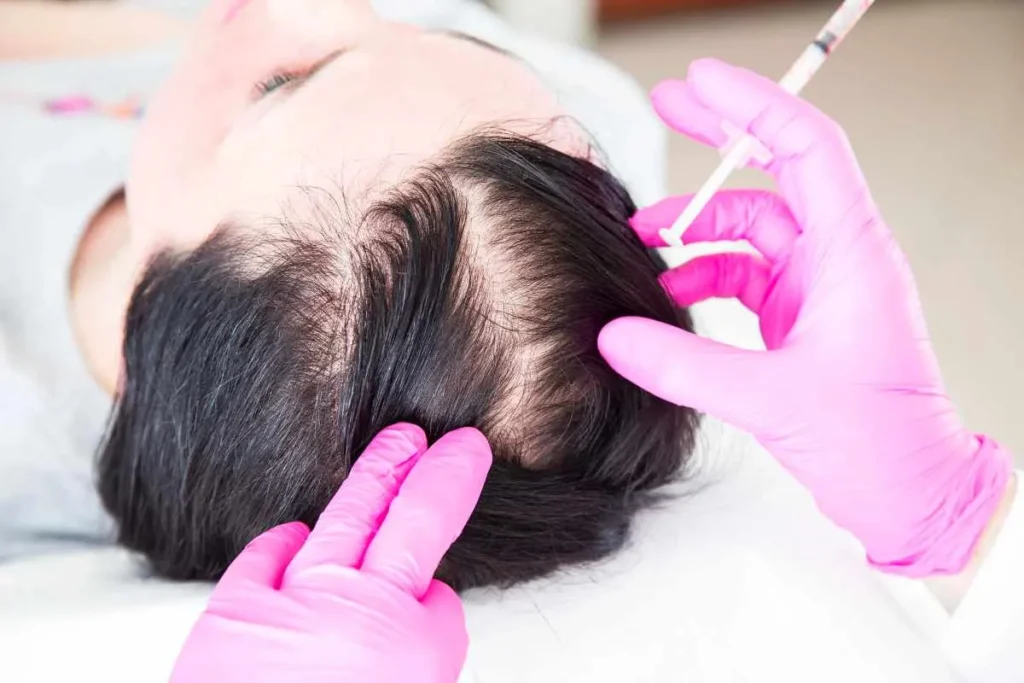
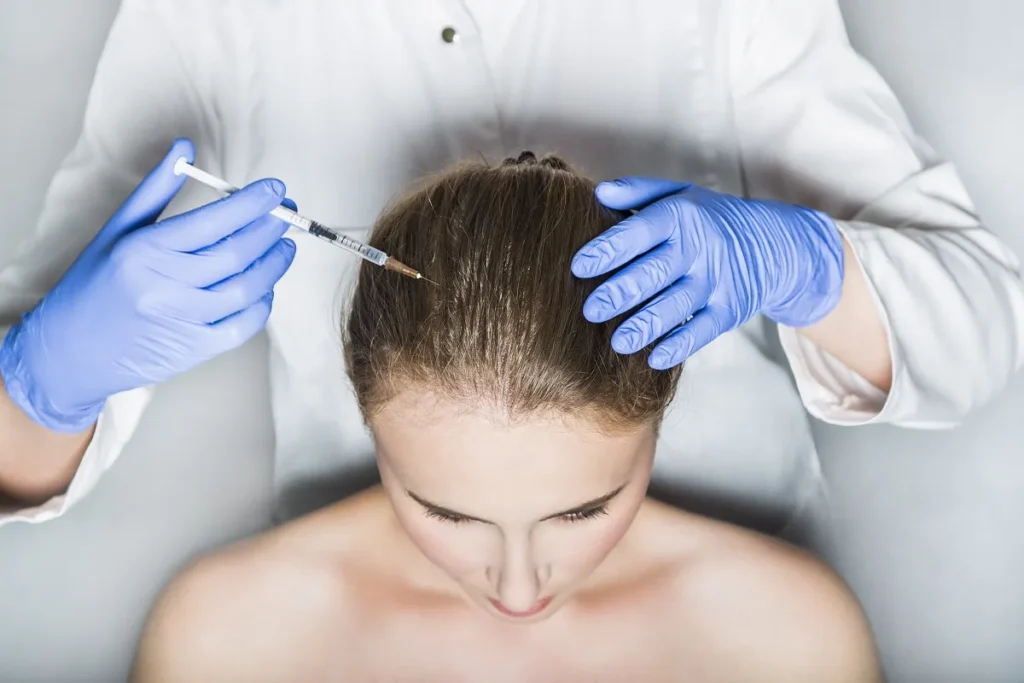
PRP therapy involves injecting platelet-rich plasma (PRP) into the scalp. This plasma comes from the patient’s own blood, which is processed to concentrate platelets and growth factors. It helps hair grow by boosting blood flow to the scalp and making hair follicles work better.
Benefits: PRP therapy is a gentle procedure with few side effects. It encourages natural hair growth and can work well with other hair loss treatments.
Potential Drawbacks: Results can vary, and you might need more than one session to see the best results.
Low-Level Laser Therapy (LLLT)
LLLT uses low-level laser or light-emitting diodes to stimulate hair growth. This treatment is non-invasive and is believed to increase hair density and promote hair regrowth by improving blood flow to the scalp.
Benefits: LLLT is a painless and non-invasive treatment that can be used at home or in a clinic. It’s often used with other hair loss treatments.
Potential Drawbacks: The effectiveness of LLLT can vary, and you need to use it regularly to keep seeing results.
Hair Transplantation
Hair transplantation involves moving hair follicles from one part of the body to the balding areas. This surgery is done under local anesthesia and can give natural-looking results.
Benefits: Hair transplantation offers a lasting solution to hair loss, with the transplanted hair acting like natural hair.
Potential Drawbacks: The procedure can be expensive, and there’s a risk of complications like infection or scarring.
Conclusion
Men facing hair loss have many treatment choices. These include FDA-approved drugs like Finasteride and Minoxidil. Also, advanced treatments like Platelet-Rich Plasma (PRP) Therapy and Low-Level Laser Therapy (LLLT) are available.
The top non-surgical hair replacement options for men in 2025 include effective hair growth products. Products like Rogaine and Propecia are well-known and recommended.
It’s important for men to talk to a dermatologist about hair loss. They can find out why you’re losing hair and suggest the best treatment. This could be a hair loss product or a more complex therapy like hair transplantation.
Looking into all the options, including the best hair regrowth products, helps men make smart choices. With the right treatment, men can see a big improvement in their hair growth and scalp health.
FAQ
References
National Center for Biotechnology Information. Evidence-Based Medical Insight. Retrieved from https://pubmed.ncbi.nlm.nih.gov/12213156/
Most Effective Treatment for Men
The most effective approach for male hair loss is typically a combination of finasteride and minoxidil, often referred to as the “gold standard” of non-surgical treatment. While finasteride addresses the internal hormonal cause, minoxidil stimulates external growth, providing a synergistic effect that is more powerful than using either medication alone.
How Finasteride Works
Finasteride works by inhibiting the enzyme 5-alpha reductase, which is responsible for converting testosterone into dihydrotestosterone (DHT). By lowering DHT levels in the scalp, the medication prevents the shrinking of hair follicles, allowing them to return to a normal growth cycle and preventing further thinning.
Benefits of Minoxidil
Minoxidil serves as a vasodilator that increases blood flow to the hair follicles, providing them with more oxygen and essential nutrients. Its primary benefits include extending the growth phase of the hair cycle and increasing the diameter of the hair shaft, which results in a thicker and more robust appearance.
Effectiveness of PRP Therapy
Platelet-Rich Plasma (PRP) therapy is highly effective for many men, especially in the early stages of thinning, as it uses concentrated growth factors from your own blood to heal and stimulate follicles. Research shows it can significantly increase hair density and thickness by revitalizing dormant follicles and improving the health of the scalp tissue.
How LLLT Promotes Growth
Low-Level Laser Therapy (LLLT) works through a process called photobiomodulation, where light energy is absorbed by the cells in the hair follicle to stimulate metabolic activity. This boost in cellular energy helps to reawaken inactive follicles and can be a convenient, non-invasive option for men looking to maintain their current hair density.
Best Hair Growth Product
The “best” product varies by individual, but FDA-approved options like Rogaine (minoxidil) and Propecia (finasteride) are the most scientifically backed for consistent results. For those seeking drug-free options, high-quality ketoconazole shampoos and localized scalp serums containing peptides or caffeine are often considered top-tier supportive products.
Hair Transplantation for Men
Hair transplantation is the most permanent solution for male pattern baldness, involving the relocation of DHT-resistant follicles from the back of the head to the thinning areas. Modern techniques like FUE (Follicular Unit Extraction) provide very natural-looking results with minimal scarring, making it an excellent choice for restoring a receding hairline.
Non-Surgical Replacement Options
Non-surgical options include high-quality hair systems or “hair units,” which are modern, breathable hairpieces bonded to the scalp for a seamless look. Scalp Micropigmentation (SMP), a form of medical tattooing that mimics the look of a buzzed hairstyle, is also a popular way to create the illusion of a full head of hair.
Choosing the Right Treatment
To choose the best treatment, you should first consult a dermatologist or hair specialist to determine the stage and cause of your hair loss. They can help you weigh factors such as your budget, commitment to a daily routine, and whether you prefer a preventative medical approach or a corrective surgical one.
Reference
https://www.google.com/url?sa=t&source=web&rct=j&opi=89978449&url=https://pmc.ncbi.nlm.nih.gov/articles/PMC12026576/&ved=2ahUKEwiL5tOupZSTAxWj0gIHHbvZJ-gQFnoECBkQAQ&usg=AOvVaw2clsXhp2wC7SynH-9CmXnn