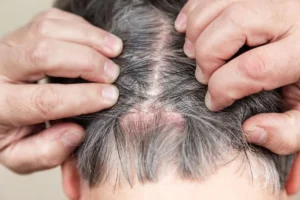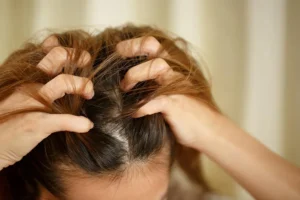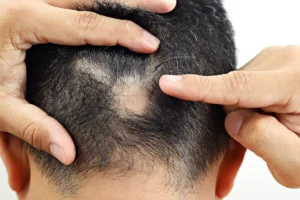
Starting levothyroxine treatment for hypothyroidism is a big step towards better health. But, it can cause hair loss as a side effect.
Studies show that hair loss on thyroid medication is usually temporary. It happens as your body gets used to the new hormone levels. Getting the right dosage and eating well can help lessen this problem.
At Gold City Hair, we know how upsetting hair loss can be. We’re here to give you advice based on science to help you deal with it. This article will explain why hair loss with levothyroxine happens and give you tips to stop it. We want to help you keep your hair healthy while you’re on treatment.
Key Takeaways
Understand why levothyroxine may lead to hair loss
Learn how to manage hair loss on thyroid medication
Discover nutritional tips to mitigate hair loss
Find out how to adjust your treatment for optimal hair health
Explore additional care options to prevent hair loss with levothyroxine
Understanding Why Can Levothyroxine Cause Hair Loss
Levothyroxine and hair loss are linked in a complex way. Thyroid hormones play a key role in hair growth. Any imbalance can cause hair loss.
The Relationship Between Thyroid Hormones and Hair Growth
Thyroid hormones affect hair growth, maintenance, and shedding. Thyroid receptors in human hair follicles allow thyroid hormones to exert direct effects on hair follicles, controlling the hair growth cycle. If thyroid hormone levels are off, hair loss can occur.
Levothyroxine helps manage thyroid disorders. But, it can also cause hair loss by changing thyroid hormone levels.
Telogen Effluvium vs. Anagen Effluvium
Hair loss from levothyroxine can be either telogen effluvium or anagen effluvium. Telogen effluvium happens when the body experiences stress, causing many hair follicles to stop growing. Anagen effluvium is when hair growth suddenly stops, often due to medication.
Knowing the type of hair loss is key to treating it. Levothyroxine usually causes telogen effluvium.
Temporary Nature of Medication-Induced Hair Loss
The good news is that hair loss from levothyroxine is usually temporary. Once the body adjusts to the medication, hair loss stops. Proper nutrition and maintaining thyroid hormone levels can also help prevent hair loss.
To control hair loss, it’s important to understand its causes. By managing thyroid hormone levels and eating right, you can reduce hair loss while on levothyroxine.
Effective Strategies to Prevent Hair Loss on Thyroid Medication
To prevent hair loss on thyroid medication, a multi-faceted approach is key. This includes the right dosage, essential nutrients, and gentle hair care. By following these strategies, you can lower the risk of hair loss from levothyroxine.
Optimal Dosage and Medication Management
Finding the right dosage of levothyroxine is vital to prevent hair loss. Too little or too much can cause hair loss. Working closely with your healthcare provider to find the right balance is essential.
Proper medication management means more than just the right dosage. It also includes knowing how other medications might affect your thyroid hormone levels. Taking levothyroxine on an empty stomach, in the morning, helps it absorb better.
Essential Nutrients for Hair Health While on Levothyroxine
Nutritional deficiencies can worsen hair loss when taking levothyroxine. Eating a diet rich in essential vitamins and minerals is important. These include iron, zinc, biotin, and omega-3 fatty acids.
Iron supports the thyroid gland and helps in the production of hair growth-promoting hormones.
Zinc is critical for hair tissue growth and repair.
Biotin is a B-complex vitamin that plays a significant role in hair growth.
Omega-3 fatty acids nourish the scalp and promote healthy hair.
Hair Care Practices to Minimize Shedding and Breakage
Gentle hair care practices are essential to reduce shedding and breakage. Using mild shampoos without harsh chemicals helps keep hair healthy. Avoiding heat styling and chemical treatments also helps prevent hair loss.
Gentle hair handling techniques, like using a wide-tooth comb and gentle towel-drying, reduce breakage. Regular trims prevent split ends from traveling up the hair shaft.
Conclusion: When to Seek Professional Help
If you’re losing hair while on levothyroxine, watch it closely. Hair loss from thyroid meds is usually short-term. But, if it’s severe or lasts long, you need a doctor’s help.
Thyroid meds and hair loss can go hand in hand. But, with the right care, you can cut down on shedding. Your doctor can help adjust your meds and suggest supplements for better hair health.
Take charge of your hair health to feel confident again. If thyroid meds are causing hair loss, get professional advice. With the right help, you can have healthy, shiny hair and keep your thyroid in check.
FAQ
Can levothyroxine cause hair loss?
Yes, hair loss is a known but typically temporary side effect of levothyroxine. Ironically, both the thyroid condition itself (hypothyroidism) and the medication used to treat it can cause thinning, as the hair follicles are extremely sensitive to fluctuations in thyroid hormone levels.
Why does hair loss occur when taking levothyroxine?
Hair loss occurs because thyroid hormones help regulate the hair growth cycle; a sudden shift in levels—even toward a healthy range—can shock the follicles into a resting state (Telogen Effluvium). This results in a synchronized shedding that usually begins several weeks or months after starting the medication or adjusting the dosage.
How can I prevent hair loss while taking levothyroxine?
While you cannot always stop the hormonal “reset” that causes shedding, you can minimize it by ensuring your dosage is adjusted gradually by your doctor to avoid sharp hormonal spikes. Staying consistent with your medication timing (taking it on an empty stomach) ensures stable absorption, which keeps the hair growth cycle more predictable.
Is hair loss from levothyroxine permanent?
No, it is almost always temporary. Once your thyroid levels stabilize and your body adjusts to the medication (usually within 3 to 6 months), the hair follicles typically return to their active growth phase and the shedding stops on its own.
What nutrients are essential for hair health while on levothyroxine?
Iron (Ferritin), Zinc, and Selenium are critical because they assist in the conversion of thyroid hormones and support follicle function. However, you must be careful with timing; supplements like Iron and Calcium can interfere with levothyroxine absorption and should be taken at least 4 hours apart from your thyroid dose.
Managing Thyroid-Related Hair Shedding
| Strategy | Why it Helps |
| Check Ferritin Levels | Low iron is very common with thyroid issues and is a leading cause of thinning. |
| Gentle Handling | Avoid high-tension styles or harsh chemicals while the hair is in a fragile shedding phase. |
| Stable Dosing | Avoid skipping doses, as hormonal “yo-yoing” keeps follicles in a state of shock. |
Can Synthroid cause hair loss?
Yes, Synthroid is simply a brand name for levothyroxine, so it carries the same potential for temporary hair thinning during the initial treatment phase. Some patients also react to specific fillers or dyes in brand-name versions, though the hormonal shift remains the primary cause of hair loss.
How do I know if my hair loss is due to medication or another factor?
If the hair loss is caused by levothyroxine, it usually presents as diffuse thinning across the entire scalp and starts within the first few months of treatment. If you notice patchy baldness or a receding hairline, or if the loss persists long after your lab results have stabilized, the cause may be genetic or related to another underlying condition.
When should I seek professional help?
You should consult your doctor if the shedding lasts longer than six months or if your thyroid blood tests show that your levels are still not in the optimal range. If you experience scalp redness, pain, or total hair loss in specific spots, a dermatologist should be consulted to rule out autoimmune issues.
Are there specific hair care products recommended?
There are no specific “thyroid-only” products, but using volumizing, sulfate-free shampoos can help hair look fuller without stripping moisture. Since thyroid issues can make hair dry and brittle, using a deep-conditioning mask with proteins like keratin can help reinforce the hair shaft and prevent breakage.