If you’re facing radiation treatment, knowing the side effects is key. One big worry is hair loss, or radiation-induced alopecia.
Many patients getting cranial radiation therapy lose a lot of hair. How much depends on the dose and where the treatment is.
Feeling sad about hair loss can really hurt your self-esteem. It’s important to know the risks and how to deal with it.
Key Takeaways
Radiation therapy can lead to hair loss in the treated area.
The risk and extent of hair loss depend on the radiation dose.
Understanding the possible hair loss is key for patient care.
Pre-treatment counseling can help manage expectations and outcomes.
Evidence-based strategies can lessen the impact of hair loss.
Can Radiotherapy Cause Hair Loss?
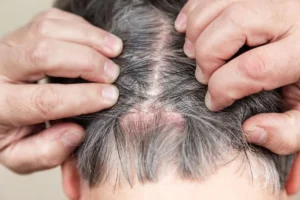
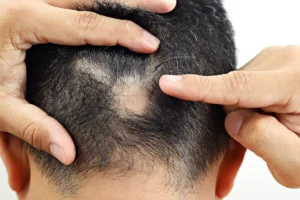
Radiation therapy can cause hair loss, known as radiation-induced alopecia. This happens because radiation harms the hair follicles in the treated area.
The Science Behind Radiation-Induced Alopecia
Radiation-induced alopecia comes from the ionizing radiation in radiotherapy. When this radiation hits a body area, it damages hair follicles, causing hair loss. The damage’s extent depends on the radiation dose and how long it’s used.
Regaining confidence after hair loss from radiotherapy is possible. Knowing that hair loss can be temporary or permanent helps. It depends on the radiation dose and the area treated.
Areas of the Body Affected
Hair loss from radiotherapy usually happens in the treated area. For example, scalp hair loss can occur with brain tumor treatments. Neck or chest treatments can also lead to hair loss in those spots.
Cranial radiotherapy can cause significant hair loss on the scalp.
Radiation to the neck or chest area may result in hair loss in those regions.
The extent of hair loss varies depending on the radiation dose and treatment duration.
Radiation Dosage and Its Impact
The radiation dosage greatly affects hair loss. Higher doses can lead to more hair loss. Lower doses might cause less or no hair loss.
Knowing how radiation dosage affects hair loss helps patients and doctors. By planning treatments carefully, they can reduce hair loss while treating the condition effectively.
Timeline and Recovery Process
Patients undergoing radiotherapy often ask when they will lose their hair and when it will grow back. Knowing when hair loss starts and when it regrows is key for them to get ready for treatment.
When Hair Loss Begins After Treatment
Hair loss usually starts 1 to 3 weeks after radiotherapy begins. This time can change based on the treatment’s dosage and where it’s applied.
The Hair Regrowth Journey
Regrowing hair after radiotherapy takes time. Most people see their hair start to grow back 2 to 4 months after treatment ends. But, this time can differ for everyone.
Things that affect regrowth include the radiation’s strength and where it’s aimed.
Some might see hair grow back slower or with a different feel.
Temporary vs. Permanent Hair Loss
Whether hair loss is temporary or permanent depends on several things. Higher doses of radiation are more likely to cause permanent hair loss.
In some cases, hair might grow back, but it could be thinner or feel different. New ways of planning treatments help guess how much hair will be lost.
Modern Treatment Planning and Prediction
New radiotherapy methods have improved treatment planning. This makes it easier to predict hair loss. These new methods aim to reduce permanent hair loss by adjusting the radiation and treatment area.
By knowing what affects hair loss and regrowth, patients can better prepare for radiotherapy and recovery.
Conclusion
Radiotherapy can lead to hair loss, known as radiation-induced alopecia. The amount of hair loss depends on the radiation dose and where it’s applied. It’s important for patients to know this before starting treatment.
Some people may see their hair grow back after radiation therapy. But, this varies from person to person. The hair loss can be either temporary or permanent, based on the treatment’s dosage and area.
Regaining confidence in one’s appearance is a big concern for those going through radiotherapy. Knowing how hair loss and regrowth work can help patients feel more in control. Research in this area is ongoing, and staying updated can help patients make better choices about their care.
FAQ
Does radiation therapy cause hair loss?
Radiation therapy only causes hair loss on the specific part of the body being targeted by the treatment beams. Unlike chemotherapy, it will not affect the hair on your head unless your scalp or brain is the direct area being treated.
How long does it take for hair to regrow after radiotherapy?
Hair usually begins to grow back three to six months after treatment ends, though the texture or color may be slightly different. In cases of very high radiation doses, the hair follicles may be permanently damaged, leading to thinner growth or permanent loss.
Can I take steps to minimize hair loss during radiotherapy?
While you cannot prevent loss if the follicles are in the treatment path, you can minimize irritation by using gentle, fragrance-free products and avoiding heat styling. Your oncology team can also use modern planning to limit the dose to your scalp whenever possible.
References
National Center for Biotechnology Information. Evidence-Based Medical Insight. Retrieved from https://pmc.ncbi.nlm.nih.gov/articles/PMC8856945/[1