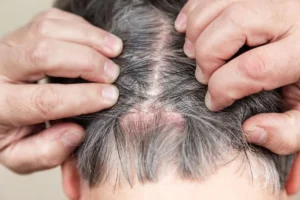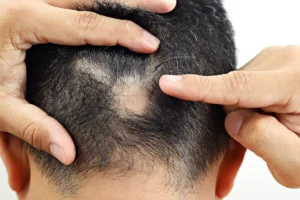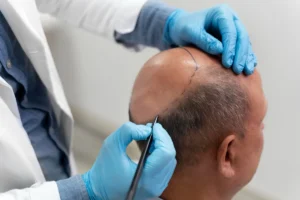
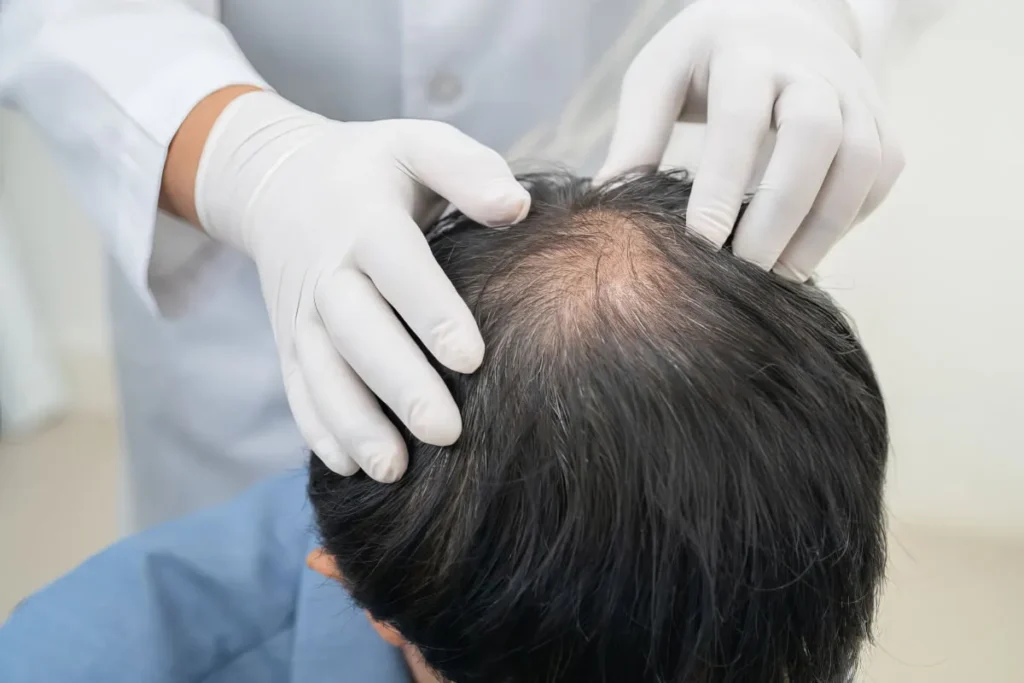
Alopecia is a group of hair loss conditions, with androgenetic alopecia being the most common. Scientists are now exploring ways to help hair grow back through new research.
Can you get hair back after alopecia? Discover the scientific truth and powerful treatments that help patients regain their natural hair.
Breakthroughs from top places like Harvard and MIT are showing hope. They found that microneedle patches can help alopecia areata patients grow hair back. These patches send immune-regulating molecules to the scalp.
Now, getting your hair back naturally is possible. Thanks to new tech in stem cell activation, immunotherapy, and regenerative medicine. You can now get dense, natural hair like never before.
Key Takeaways
Recent scientific breakthroughs offer new hope for hair regrowth in alopecia patients.
Microneedle patches delivering immune-regulating molecules have shown promising results.
Stem cell activation and immunotherapy are emerging as possible treatments.
Regenerative medicine is leading the way for natural hair restoration.
Confidence and emotional well-being can be regained through successful hair restoration.
Understanding Alopecia: Types and Causes
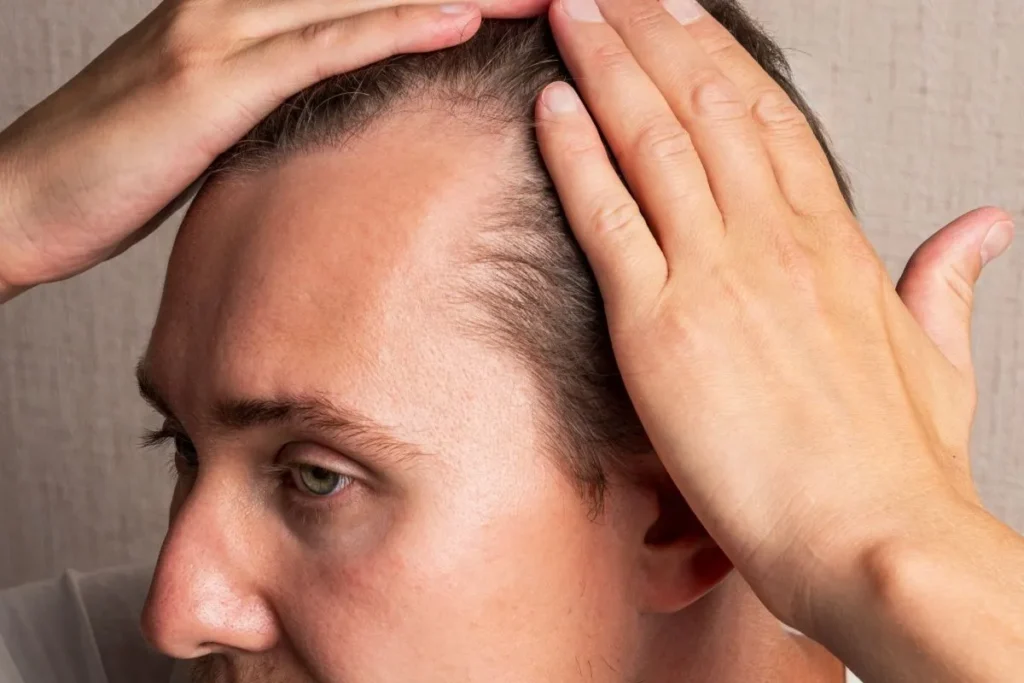
Alopecia is not just one condition but a group of hair loss types. Each type has its own causes and effects. It’s important to know about these to understand hair loss better.
There are several types of alopecia, with androgenetic alopecia and alopecia areata being the most common. Androgenetic alopecia is linked to genetics and hormones. Alopecia areata, on the other hand, is an autoimmune disease.
Androgenetic Alopecia: The Most Common Form
Androgenetic alopecia, also known as male or female pattern baldness, is the most common type. It causes hair to thin gradually, mainly on the scalp. Hormones and genetics play a big role in this condition.
Alopecia Areata: An Autoimmune Disorder
Alopecia areata is an autoimmune disease where the immune system attacks hair follicles. This leads to patchy hair loss. It can happen at any age and affects both men and women.
The exact cause of alopecia areata is not fully known. But it’s thought to be a mix of genetics and environmental factors.
Alopecia areata affects about 91.46 per 100,000 people in the United States. It can greatly affect a person’s life, not just their looks but also their mood.
Rising Incidence and Global Impact
The number of people with alopecia, like alopecia areata, is growing worldwide. This shows we need more research into its causes and treatments.
Knowing about the different types of alopecia and their causes helps people find the right treatment. It can help them regain their confidence and hair.
Can You Get Hair Back After Alopecia?
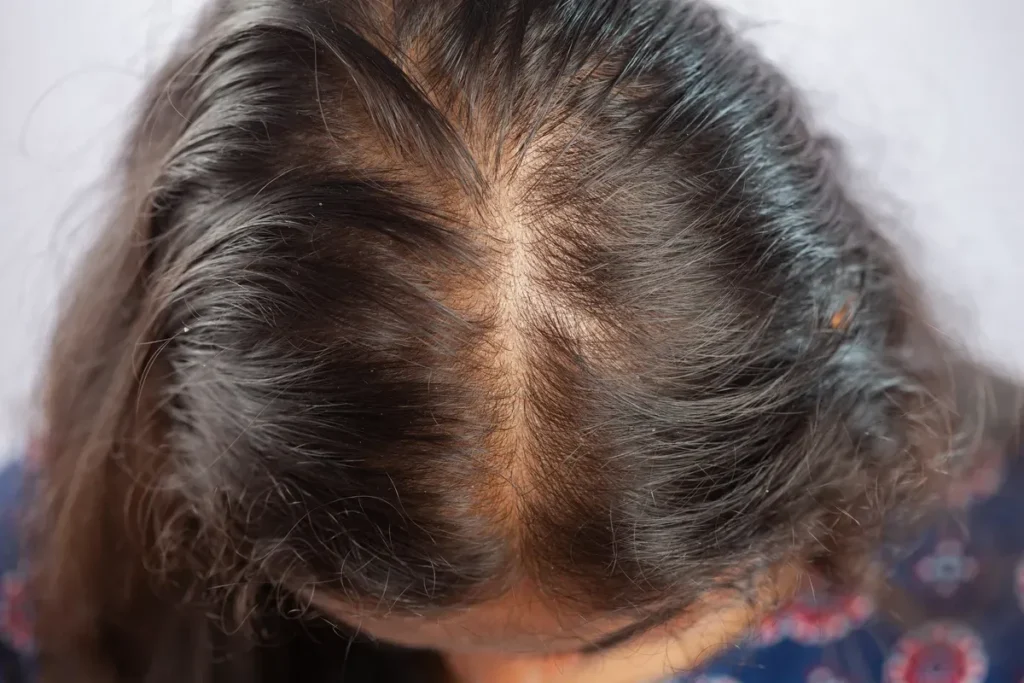
Alopecia affects millions, but there’s hope for hair regrowth. The journey to get hair back is complex and depends on many factors.
Natural Regrowth Possibilities
Research shows that only about 8.19% of alopecia areata patients see significant hair growth. Yet, novel hair stem cells in the upper hair follicle offer hope for regrowth.
With the right treatment and care, some people can see a lot of hair growth. For example, treatments that help control the immune system can help hair grow back.
Factors That Influence Recovery
Many things can affect hair regrowth after alopecia. These include:
The type and severity of alopecia
Effectiveness of the treatment plan
Overall health and lifestyle
Personalized care is key because everyone’s situation is different. Stress, nutrition, and autoimmune responses can all impact hair growth.
Regrowth Timelines and Expectations
Knowing when hair will grow back is important for managing hopes. Some see hair growth in a few months, while others take longer.
Regrowth times vary a lot. The success of treatment and the severity of alopecia are big factors in how long it takes.
By using modern techniques and personalized care, people can increase their chances of getting hair back. It’s important to work with healthcare professionals to create a plan that fits you.
Scientific Breakthroughs in Hair Regeneration
Medical science has made big strides in hair regeneration, giving hope to those with alopecia. New technologies and research methods are changing the game.
Scientists are looking into many ways to fight hair loss. They’re focusing on the causes and possible treatments. Stem cell research, microneedle patches, and controlling the immune system are key areas.
Stem Cell Research: Reactivating Dormant Follicles
Stem cells are vital for hair growth. Studies show they start hair growth cycles in the upper follicle. Reactivating these dormant follicles could lead to new treatments for alopecia.
Researchers are trying to use stem cells to grow hair. They’re studying how to control stem cell activity and wake up dormant follicles.
Harvard-MIT Microneedle Patch Technology
The microneedle patch is a big step in hair regeneration, thanks to Harvard and MIT. It uses microneedles to deliver drugs directly to the scalp, helping hair grow.
This patch is easy to use and has shown great results in trials. It could be a solution for those losing their hair.
Immune System Regulation Approaches
Alopecia areata is an autoimmune disease where the immune system attacks hair follicles. Scientists are working to regulate the immune system to stop this attack.
They’re looking into immunotherapy and drugs that can change how the immune system works. The goal is to find treatments that can manage alopecia areata and help hair grow back.
Conclusion
Getting your hair back after alopecia is more than a look. It’s about feeling whole again and regain your confidence. Thanks to new hair treatments, your dream hair is now within reach. Treatments like DHI and Sapphire FUE give you natural-looking hair with full coverage.
The path to growing your hair back is backed by science. Breakthroughs in stem cell research and immune system control offer lasting solutions. These advancements mean you can have hair that grows for life.
At a top hair restoration center, you’ll get a pain-free, transparent, and personalized experience. With custom plans and the latest methods, you’ll get a full, natural hairline. This change will not only improve how you look but also how you feel about yourself. Your dream hair is more than a dream; it’s a reality you can achieve.
FAQ
What is total hair loss called?
Total hair loss on the scalp is called alopecia totalis, and complete body hair loss is known as alopecia universalis.
Are you born with alopecia areata?
No, alopecia areata is usually acquired, not present at birth.
How does alopecia start?
It often begins as small, round patches of hair loss on the scalp or other areas.
Can you develop alopecia later in life?
Yes, alopecia can develop at any age, from childhood to adulthood.
Is alopecia areata an autoimmune disease?
Yes, it is an autoimmune condition where the immune system attacks hair follicles.
Can you get alopecia at any age?
Yes, alopecia can occur in children, adults, and the elderly.
Is there a cure for alopecia?
Currently, there is no permanent cure, but treatments can help regrow hair or manage symptoms.
What are the symptoms of alopecia areata?
Symptoms include patchy hair loss, sometimes tingling or itching, and in severe cases, loss of scalp or body hair.
When does alopecia start?
It can start suddenly at any age, often noticed as small bald patches.
What causes alopecia?
Alopecia is caused by autoimmune attacks on hair follicles, sometimes triggered by genetics, stress, or other factors.
Can circular alopecia be treated?
Yes, treatments like topical corticosteroids, minoxidil, and immunotherapy can help hair regrow, though results vary.
References
National Center for Biotechnology Information. Evidence-Based Medical Insight. Retrieved from https://pubmed.ncbi.nlm.nih.gov/38859641/