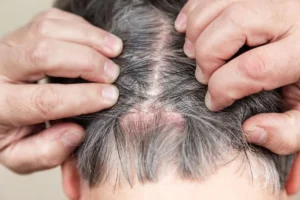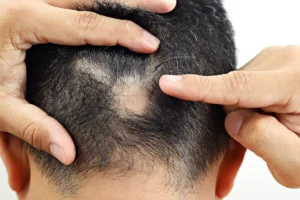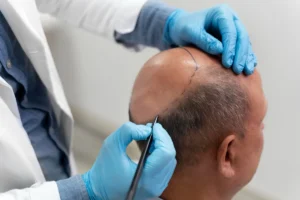
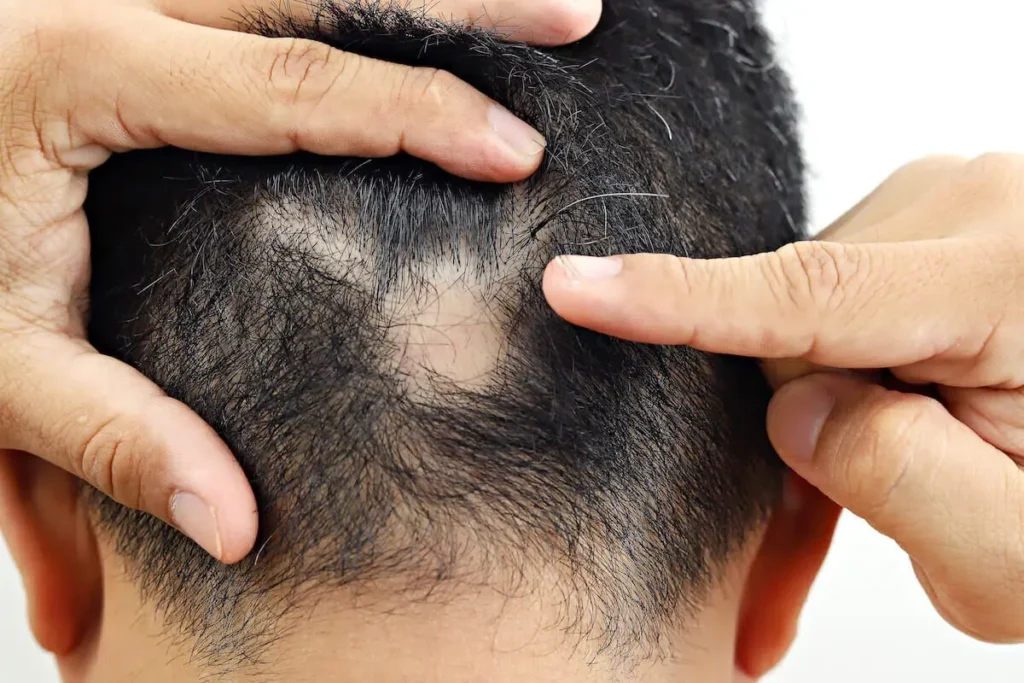
Alopecia areata is an autoimmune disorder that causes hair loss. It has been a big challenge for both patients and doctors. But, recent advancements in treatment options have brought new hope. Now, scientific evidence shows that many patients can see significant hair regrowth.
Can you reverse alopecia? Learn about effective new studies and treatments that offer hope for reversing hair loss and restoring regrowth.
The emotional impact of alopecia areata is huge. It affects not just how you look but also your self-esteem and confidence. But, thanks to new treatments like FDA-approved JAK inhibitors and microneedle patch therapies, things are looking up. These treatments, supported by science, offer a hopeful path for those wanting to regain their confidence and grow their hair back.
Key Takeaways
Recent scientific advancements offer new hope for reversing alopecia areata.
Treatments like JAK inhibitors have shown significant efficacy in promoting hair regrowth.
Innovative therapies, including microneedle patch treatments, are emerging as viable options.
Alopecia areata patients can experience significant hair regrowth with appropriate treatment.
Effective solutions are available to help patients regain their confidence.
Understanding Alopecia Areata
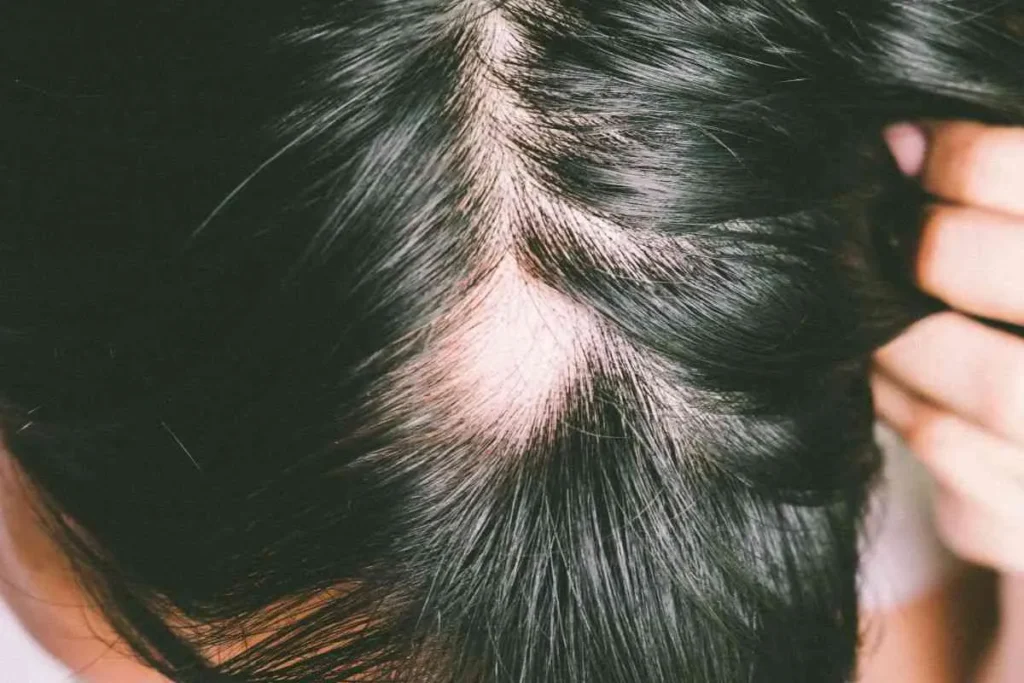
Alopecia areata is an autoimmune disease that causes hair loss. It can happen anywhere on the body. This can lead to a lot of emotional pain for those who have it.
The Autoimmune Nature of Alopecia Areata
Alopecia areata happens when the immune system attacks hair follicles. This can cause hair loss from small patches to complete baldness. Scientists are not sure why this happens, but they think it’s a mix of genetics and environment.
This condition is not just about losing hair. It’s about the immune system not working right. Controlling the immune system is important to manage alopecia areata. Treatments try to stop the immune system from attacking hair follicles, helping hair to grow back.
Prevalence: Affecting 6.8 Million Americans
About 6.8 million Americans have alopecia areata. It can happen at any age and affects both men and women. Knowing how common it is helps us see the need for good treatments and support.
The effects of alopecia areata are not just physical. It also affects emotions and mental health. Finding good treatments and support is key to helping people feel better about themselves. Research is ongoing, giving hope for better management and even reversing the condition.
Can You Reverse Alopecia? Scientific Evidence
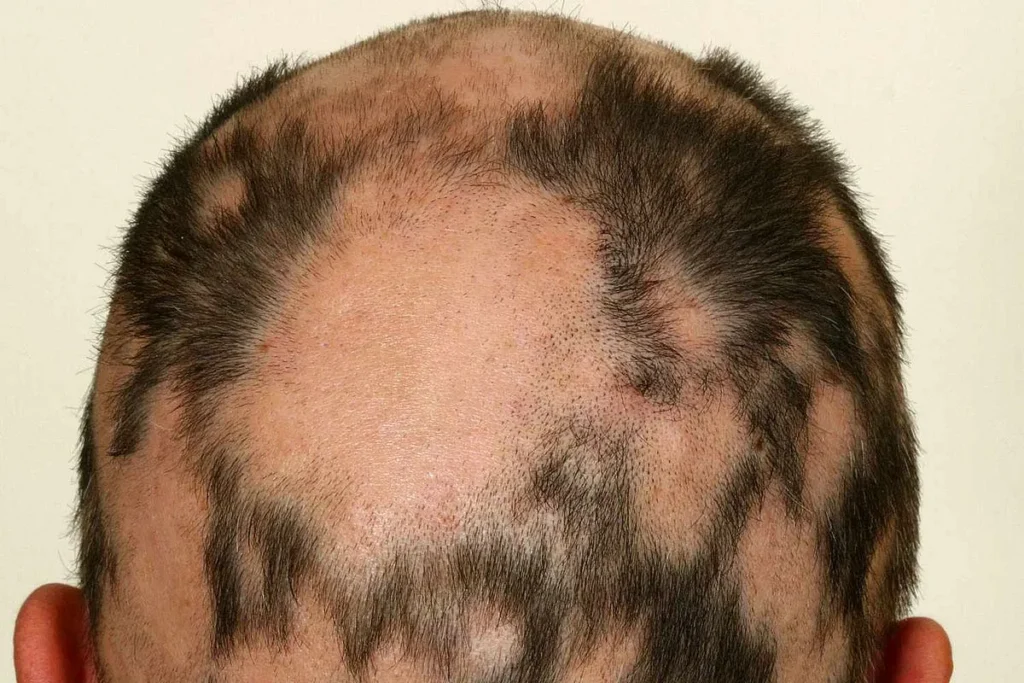
Reversing alopecia areata is a topic of great interest. Scientific evidence offers new hope for those affected. This condition, marked by unpredictable hair loss, has led researchers to explore different treatments.
Defining “Reversal” in Alopecia Areata
The term “reversal” in alopecia areata means hair growing back in lost areas. Successful reversal happens when treatments wake up hair follicles to grow hair again.
Research shows some treatments can lead to significant hair growth. For example, corticosteroid injections have been effective in treating alopecia areata. They help many patients grow new hair.
Factors That Influence Recovery
Several factors affect how well someone can recover from alopecia areata. These include how much hair is lost, how long the condition lasts, and if they have other autoimmune diseases.
The table below summarizes key factors and their impact on recovery:
Knowing these factors is key to creating an effective treatment plan. Healthcare providers can offer personalized care by considering the individual’s health and condition specifics.
Effective treatment for alopecia areata can greatly improve one’s confidence. With modern techniques and proven success stories, there is hope for those affected.
Proven Treatments With Success Rates
Many treatments have been found to help those with alopecia areata. Now, people with this condition have several effective options to choose from.
Corticosteroid Treatments: 80% Success Rate
Corticosteroid injections are a common treatment for alopecia areata. They have a high success rate. About 80% of patients see significant hair growth from these injections. They are given directly to the affected areas to reduce inflammation.
Key benefits of corticosteroid treatments include:
High success rate of 80%
Targeted treatment directly into affected areas
Quick procedure with minimal downtime
Topical Immunotherapy: 40-55% Regrowth Rate
Topical immunotherapy involves applying a chemical to the scalp. This chemical causes an allergic reaction, which helps hair grow. This method can lead to a 40-55% regrowth rate. It’s a good option for some patients, even though it’s not as effective as corticosteroids.
Considerations for topical immunotherapy:
Potential for significant hair regrowth
May require ongoing treatment to maintain results
Can be used in conjunction with other treatments
JAK Inhibitors: The FDA-Approved Breakthrough
JAK inhibitors are a major breakthrough in treating alopecia areata. Recently, the FDA approved them for moderate-to-severe cases. These medications stop the immune system from attacking hair follicles. Clinical trials show promising results, with many patients seeing a lot of hair regrowth.
Notable aspects of JAK inhibitors include:
FDA-approved for moderate-to-severe alopecia areata
Targets the underlying cause of hair loss
Offers new hope for patients with extensive hair loss
Innovative Research: Microneedle Patch Technology
Research into microneedle patch technology is exciting. This new method uses a patch with tiny needles to deliver drugs to the scalp. Early studies suggest it could lead to effective hair regrowth with few side effects.
Potential benefits of microneedle patch technology:
Minimally invasive with high efficacy
Could be a more comfortable option
May reduce the need for injections or pills
With these treatments and new technologies, there’s hope for those with alopecia areata. Talking to a healthcare professional can help find the best treatment plan for each person.
Conclusion: Hope and Realistic Expectations
Getting back your confidence in how you look is possible with the right treatment for alopecia areata. This condition is ongoing, but there are many effective treatments. These treatments can lead to significant hair growth, making it possible to reverse hair loss for many.
There are treatments like corticosteroid injections, topical immunotherapy, and JAK inhibitors that help with hair regrowth. It’s important to understand how to cure alopecia. This means finding a treatment plan that fits your specific needs.
Using the latest technology and personalized care can lead to big improvements. The path to getting a full head of hair is supported by experts. They use modern methods and aim for the best results.
Choosing the right treatment with the right mindset can lead to success. For many, the dream of having full hair is now a reality. As research and treatments improve, the chances for hair regrowth will grow too.
FAQ
Is alopecia areata reversible?
In many cases, alopecia areata is reversible, and hair can regrow spontaneously, especially in mild or patchy forms. However, severe or long-standing cases may require treatment.
What are the treatment options for alopecia areata?
Treatments include topical corticosteroids, corticosteroid injections, minoxidil, topical immunotherapy, JAK inhibitors, microneedling, and in some cases, oral medications. Lifestyle support and nutrition can also help.
How effective are corticosteroid injections in treating alopecia areata?
Corticosteroid injections are one of the most effective treatments for localized patches, often stimulating regrowth within weeks, though multiple sessions may be needed.
Can alopecia areata be cured completely?
There is no permanent cure, but many people experience full hair regrowth. Recurrences are common, and treatment helps manage the condition and promote regrowth.
What are JAK inhibitors, and how do they help in treating alopecia areata?
JAK inhibitors are oral or topical medications that block immune pathways causing follicle attack, helping reactivate hair growth in moderate to severe alopecia areata.
How does microneedle patch technology work in treating alopecia areata?
Microneedle patches create tiny punctures in the scalp, improving absorption of topical treatments and stimulating follicle activity, which can promote hair regrowth.
Is alopecia areata a common condition?
Yes, it affects about 1–2% of the population, and can start at any age, including in children.
Can you beat alopecia areata?
With treatment and time, many people regain hair and manage flare-ups effectively, but ongoing monitoring may be needed to prevent recurrences.
How can I promote hair regrowth in alopecia areata?
Promote regrowth by using prescribed treatments, maintaining a healthy diet, gentle scalp care, stress management, and avoiding harsh styling or chemicals.
Are there any new treatments on the horizon for alopecia areata?
Yes, new topical JAK inhibitors, improved microneedling devices, and other immunomodulatory therapies are being researched and show promise in enhancing regrowth and reducing recurrences.
References
New England Journal of Medicine. Evidence-Based Medical Insight. Retrieved from https://www.nejm.org/doi/full/10.1056/NEJMoa2110343[1