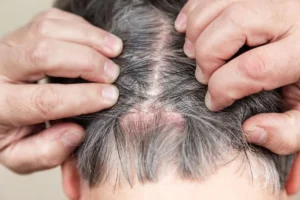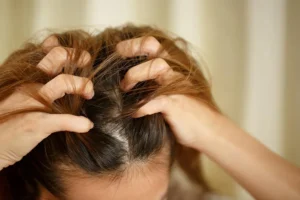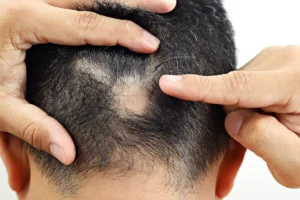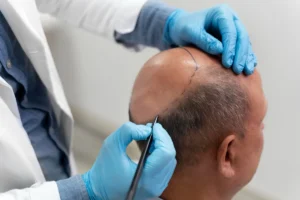
Chemotherapy-induced hair loss affects about 65% of cancer patients. It’s one of the most distressing side effects of cancer treatment. Chemotherapy drugs target rapidly dividing cells, which includes cancer cells and hair follicle cells, leading to hair loss.
Hair loss can greatly affect a patient’s quality of life. It’s important to understand why chemotherapy causes hair loss. This knowledge helps in finding ways to prevent and manage it.
Key Takeaways
Chemotherapy-induced alopecia affects a significant majority of cancer patients.
Hair loss is due to chemotherapy drugs targeting rapidly dividing cells, including hair follicles.
The psychological impact of hair loss can be substantial, affecting patients’ quality of life.
Understanding the causes of chemotherapy-induced hair loss is key to prevention.
Effective prevention and management strategies are important for patients undergoing chemotherapy.
Understanding Chemotherapy-Induced Hair Loss
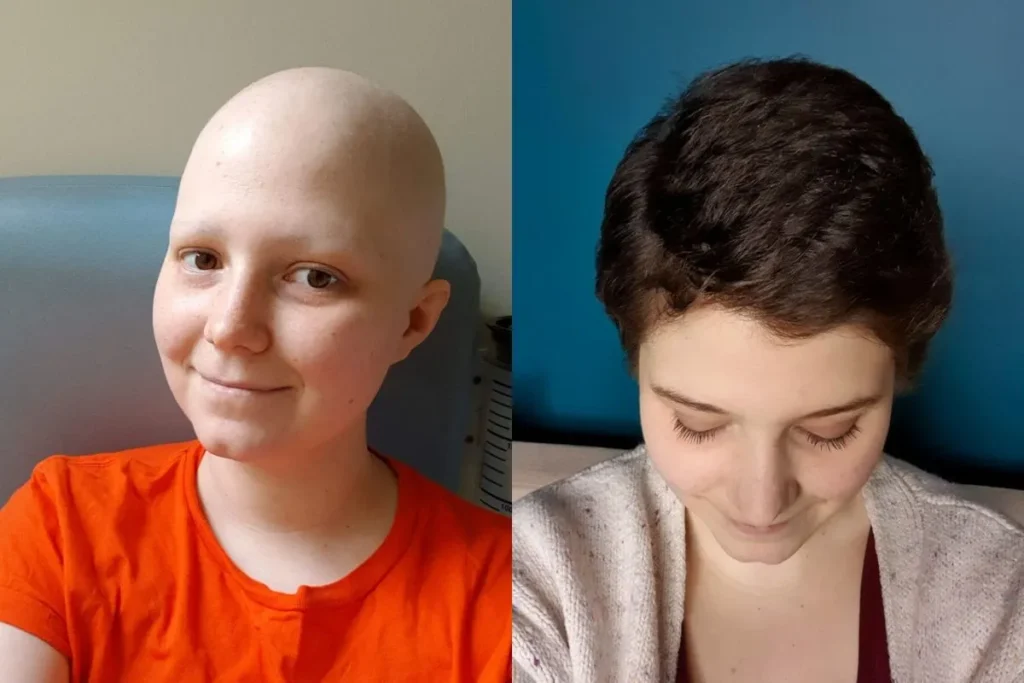
Hair loss during chemotherapy can be tough for patients. It affects how they see themselves and their overall happiness. This hair loss, or alopecia, is a common side effect of cancer treatment. It impacts patients both physically and emotionally.
The Psychological Impact of Hair Loss During Cancer Treatment
Hair loss is a big worry for cancer patients. “Our hair is a big part of who we are,” said Amanda Krisher, Associate Director of Behavioral Health for NCOA’s Center for Healthy Aging. “So, losing it can be really stressful.” Losing hair can hurt a patient’s self-esteem and quality of life.
The emotional weight of hair loss differs for everyone. But, it’s a clear sign of their illness. Getting support from doctors, family, and friends is key to dealing with this part of treatment.
How Chemotherapy Damages Hair Follicles
Chemotherapy drugs target fast-growing cells, like cancer cells and hair follicle cells. This is why hair loss is a common side effect. The drugs harm hair follicle cells, stopping hair growth and leading to hair loss.
Some chemotherapy agents, like cisplatin, cause more hair loss. Knowing what side effects your treatment might have can help you prepare.
Hair loss from chemotherapy usually goes away once treatment ends. But, it can be very hard for patients. So, it’s important to deal with both the physical and emotional sides of hair loss during cancer treatment.
Chemotherapy and Alopecia: The Biological Process
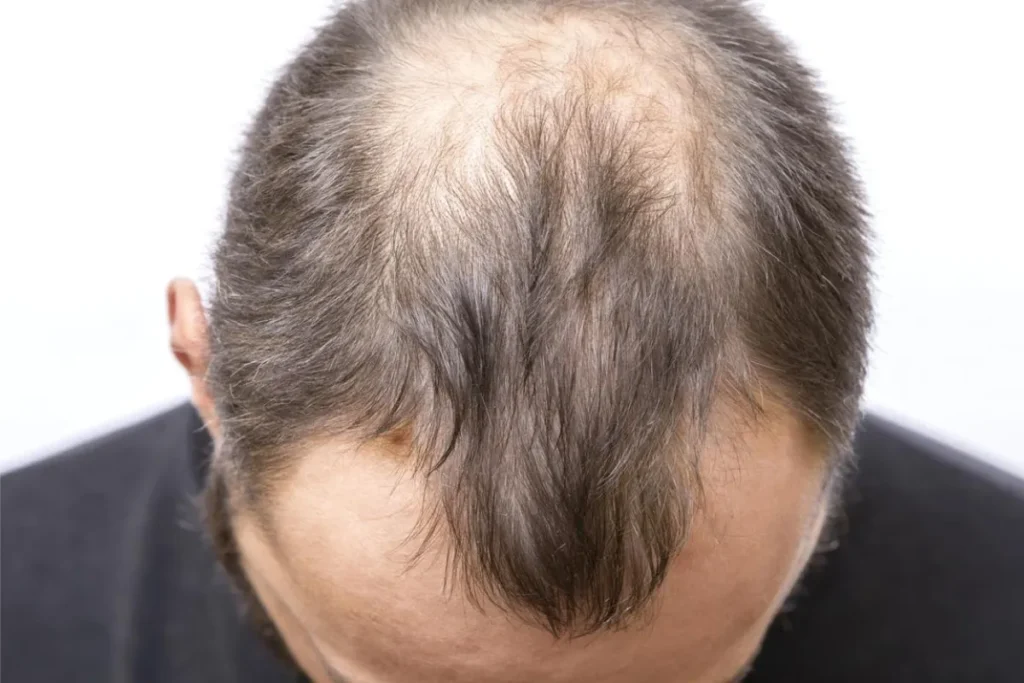
It’s important to know how chemotherapy causes hair loss. These drugs target fast-growing cancer cells. But they also harm other fast-growing cells, like hair follicles.
Common Drugs Associated with Hair Loss
Some chemotherapy drugs are more likely to cause hair loss. These include:
Cisplatin: Used to treat many cancers, cisplatin can lead to a lot of hair loss.
Docetaxel and Paclitaxel: These drugs, used for breast cancer and others, often cause hair loss.
Doxorubicin and Epirubicin: These anthracyclines are known for a high risk of hair loss.
The Mechanism of Follicle Damage
Chemotherapy drugs harm hair follicles by attacking cells that grow quickly. This stops hair from growing normally. The damage’s extent depends on the drug and its dose.
Timeline of Hair Loss and Regrowth
Hair loss starts one to three weeks after starting chemotherapy. The timing and amount of hair loss vary by drug and individual. Hair usually starts growing back after treatment ends, but at different rates.
Persistent Chemotherapy-Induced Alopecia
In some cases, hair loss from chemotherapy lasts long after treatment. This can be very hard for patients. They may need extra help and support.
There are ways to prevent or treat this hair loss. One method is scalp cooling therapy. It has shown to reduce hair loss from chemotherapy.
Prevention and Management Strategies
Chemotherapy-induced hair loss is common, but there are ways to prevent or manage it. Knowing these strategies is key for those undergoing chemotherapy.
Scalp Cooling Therapy
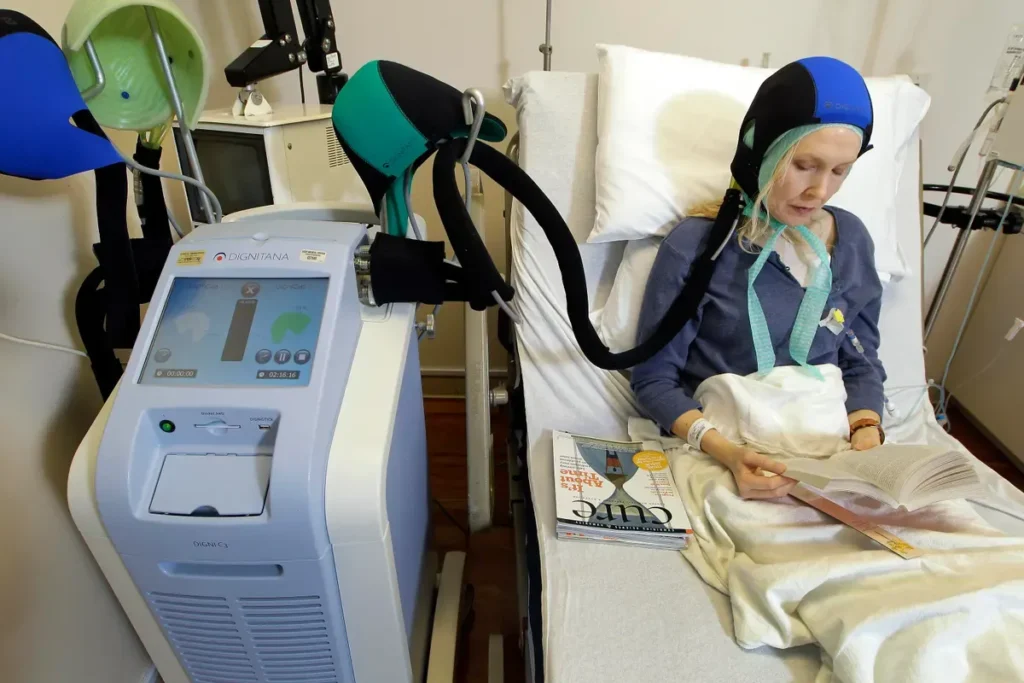
Scalp cooling therapy is a promising way to reduce hair loss from chemotherapy. Scalp cooling devices work by reducing blood flow to the scalp. This helps lower the amount of chemotherapy that reaches the hair follicles. Its success varies based on the treatment and the patient.
Scalp cooling therapy is a good option for many. It’s important for patients to talk to their doctors about it.
Emerging Prevention Methods
Researchers are also looking into other ways to prevent hair loss from chemotherapy. They are studying pharmacological interventions and topical treatments. These aim to protect hair follicles from chemotherapy damage.
Pharmacological interventions targeting the biological pathways involved in CIA
Topical treatments applied directly to the scalp to protect hair follicles
These new methods show promise. But, more research is needed to understand their effectiveness and any side effects.
Supportive Care During Hair Loss
Supportive care is vital for those experiencing hair loss. This includes counseling, wigs, and scalp prosthetics to help with the emotional impact. Support groups also offer emotional support and advice.
Healthcare providers should offer care that covers both physical and emotional aspects of hair loss from chemotherapy.
Conclusion
It’s important to know why chemotherapy causes hair loss. This knowledge helps us find better ways to prevent and manage it. Many studies have shown that hair loss is a big problem for people with cancer.
Chemotherapy harms hair follicles, leading to hair loss. This can be very upsetting for patients. But, there are ways to lessen this side effect. Things like scalp cooling therapy and new prevention methods are being explored.
Healthcare teams and patients can improve life for those with cancer by understanding hair loss from chemotherapy. By using the right strategies, we can help cancer patients feel better. This makes a big difference in their overall health and happiness.
FAQ
What is chemotherapy-induced alopecia?
Chemotherapy-induced alopecia (CIA) is the rapid loss of hair caused by cancer-fighting drugs. Because chemotherapy targets all fast-growing cells, it inadvertently attacks the highly active cells in your hair follicles, leading to significant thinning or total loss of scalp hair, eyebrows, and eyelashes.
Why does chemotherapy cause hair loss?
Chemotherapy drugs are “cytotoxic,” designed to kill cells that divide quickly, which is a hallmark of cancer. Unfortunately, hair matrix cells are among the fastest-dividing healthy cells in the body; when the drug attacks them, the hair shaft breaks or the follicle shuts down, causing massive shedding.
Which chemotherapy drugs are most likely to cause it?
Not all drugs cause hair loss, but high-risk classes include Taxanes (like Docetaxel and Paclitaxel) and Anthracyclines (like Doxorubicin). Combinations of these drugs, often used for breast or lung cancers, significantly increase the likelihood of complete hair loss.
How can I prevent hair loss during chemotherapy?
The most proven method is mechanical scalp cooling (cold caps), which constricts blood vessels to prevent the drugs from reaching the follicles. As of January 1, 2026, Medicare has transitioned to new Category I CPT codes (97007, 97008, 97009), significantly improving the pathway for reimbursement and patient access.
Typical timeline for loss and regrowth
-
Initial Shedding: Usually begins 2–4 weeks after the first treatment.
-
Peak Loss: Typically occurs 1–2 months into the treatment cycle.
-
First Regrowth: Fine “peach fuzz” often appears 4–6 weeks after the final treatment.
-
Full Coverage: Most patients see significant, styleable regrowth within 6–12 months post-chemo.
Are there emerging prevention methods?
In 2026, researchers are perfecting topical vasoconstrictors and follicle-protecting gels that can be applied directly to the scalp during infusion. While cold caps remain the standard, these topical treatments aim to provide protection without the intense cold associated with current cooling systems.
Can chemotherapy-induced hair loss be permanent?
While rare, Persistent Chemotherapy-Induced Alopecia (pCIA) can occur, defined as incomplete regrowth six months after treatment ends. It is most often linked to specific high-dose regimens, but many patients find success in 2026 using low-dose oral minoxidil to stimulate remaining follicles.
References
National Center for Biotechnology Information. Evidence-Based Medical Insight. Retrieved from https://pmc.ncbi.nlm.nih.gov/articles/PMC10137043/