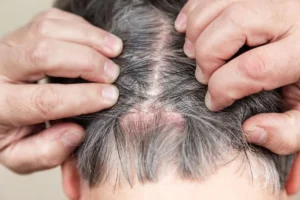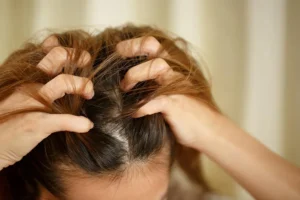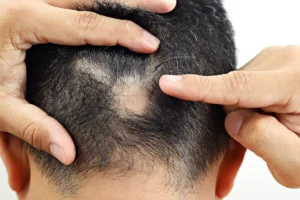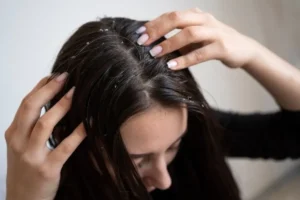
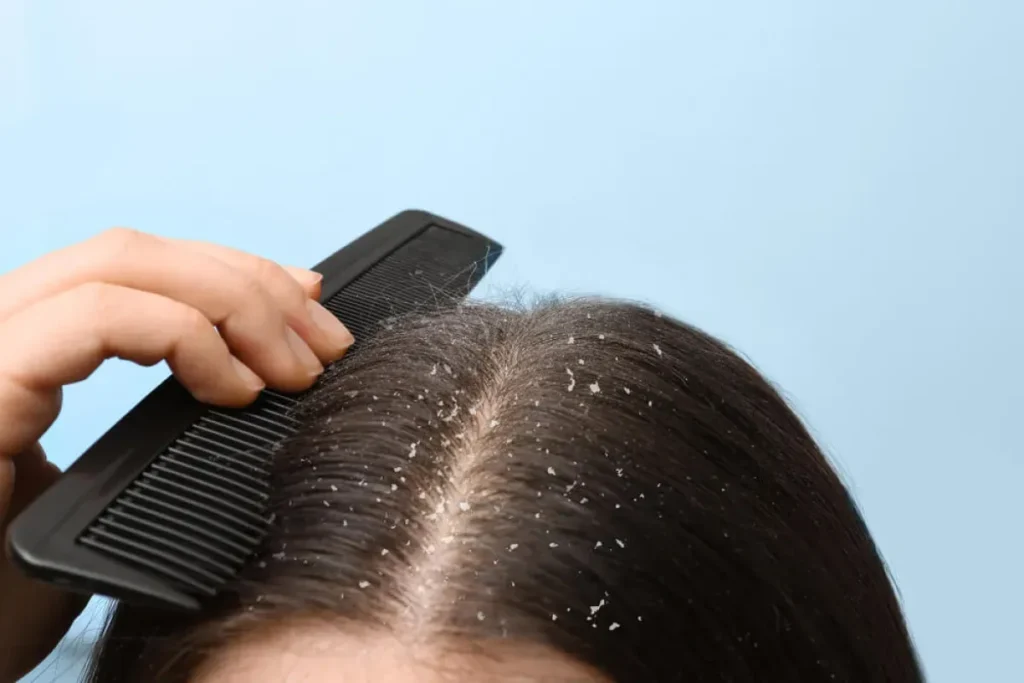
Dealing with an itchy scalp can be really tough and embarrassing. Many people are trying natural remedies like apple cider vinegar to stop the itch and flaking. This common kitchen item is getting more attention for its benefits to the scalp. But, it’s key to know what science says about its effectiveness and safety.
Use cider vinegar for itchy scalp to enjoy 5 fast fixes for irritation. This guide explains how to dilute and apply it for best results.
More and more people are using apple cider vinegar for an itchy scalp. But, the science backing this trend is not strong. At top health centers, we look at the research to guide you on using this natural remedy.
Key Takeaways
Apple cider vinegar is a popular natural remedy for itchy scalp and dandruff.
Limited scientific research is available on the effectiveness of apple cider vinegar for scalp health.
Understanding the proper usage and possible benefits is key before trying this remedy.
Getting advice from a healthcare professional can help find the best treatment.
Natural remedies like apple cider vinegar might help with itchy scalp symptoms.
Understanding the Benefits of Cider Vinegar for Itchy Scalp
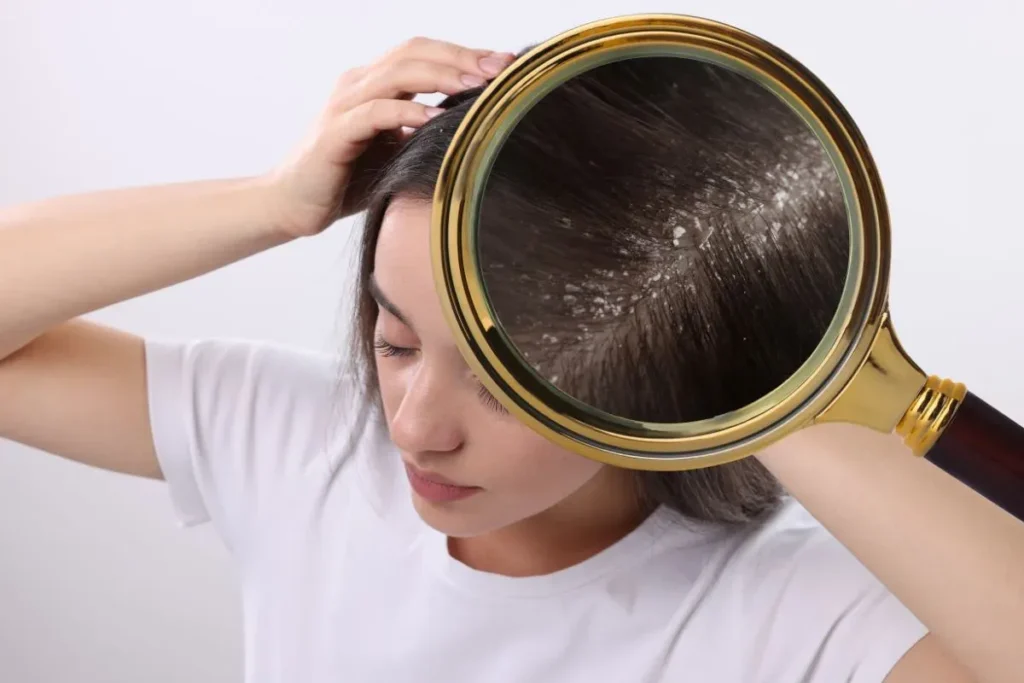
Apple cider vinegar is great for an itchy scalp because of its acetic acid content and antimicrobial properties. These help keep the scalp’s pH balanced, reducing dandruff and itchiness.
The Science Behind Acetic Acid and Antimicrobial Properties
Acetic acid in apple cider vinegar is a natural antiseptic and antifungal. It creates a scalp environment that doesn’t support fungi and bacteria growth. This is often what causes itchiness and irritation.
The antimicrobial properties of apple cider vinegar also help prevent infections. These infections can make scalp conditions worse.
Apple cider vinegar’s acidity also balances the scalp’s pH. This can become too alkaline from harsh shampooing or the environment. An imbalanced pH can lead to irritation and itchiness, making the scalp more prone to dandruff.
Research on Malassezia Fungus Inhibition
Studies show apple cider vinegar can stop Malassezia fungus growth. This fungus is a common cause of dandruff and itchy scalp. The acetic acid in apple cider vinegar can reduce its growth, easing symptoms.
Knowing how apple cider vinegar works for an itchy scalp helps people choose it for scalp care. It’s a natural and gentle solution for those looking to soothe itchiness and scalp irritations.
Preparing Your Apple Cider Vinegar Solution
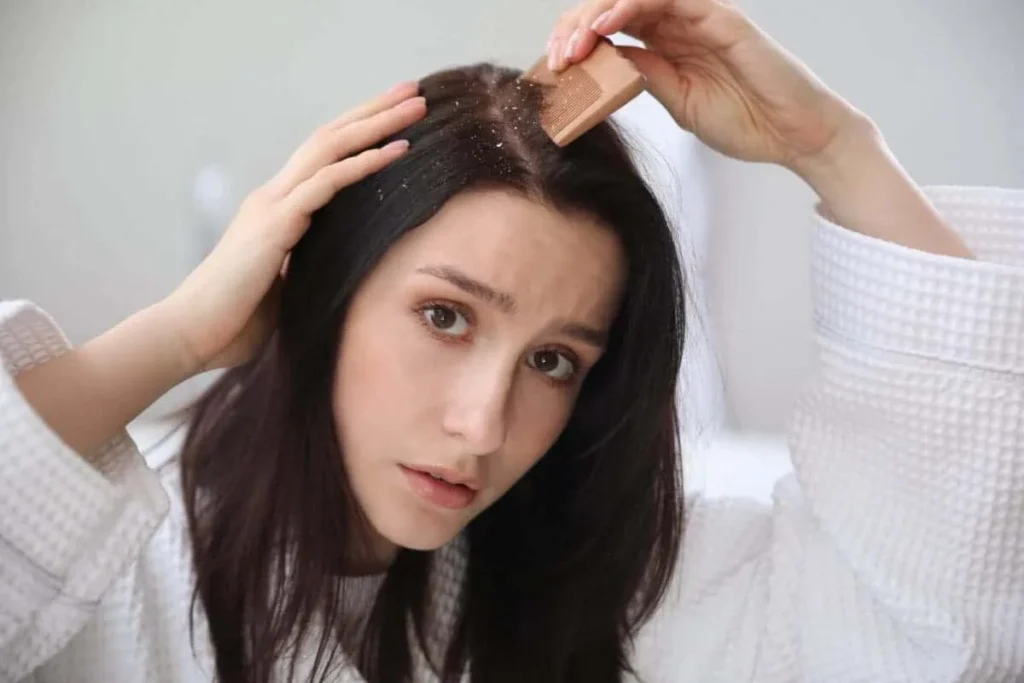
Getting your apple cider vinegar solution right is key for a healthy scalp. It’s important to know how to use it safely and effectively.
Choosing Raw, Unfiltered Apple Cider Vinegar
First, pick the right vinegar. Raw, unfiltered apple cider vinegar is best because it has the “mother.” This cloudy stuff is full of good stuff like enzymes and bacteria. It’s more powerful than filtered or pasteurized vinegar.
When you buy apple cider vinegar, make sure it’s labeled as “raw” or “unfiltered” and has the “mother.” This means you’re getting a top-notch product with all its natural goodness.
Proper Dilution Ratios for Scalp Health
Always mix apple cider vinegar with water before using it on your hair. A good mix is 1 part vinegar to 1 part water. But, you might need to adjust it if your scalp is extra sensitive. For sensitive scalps, start with a weaker mix (1 part vinegar to 2 parts water) and slowly add more vinegar as your scalp gets used to it.
Start with a weak solution (1:2 ratio) for sensitive scalps.
Gradually increase the vinegar concentration as your scalp becomes more tolerant.
Monitor your scalp’s response and adjust the dilution ratio as needed.
Beneficial Add-ins for Enhanced Treatment
To make your apple cider vinegar solution even better, add some natural extras. Good add-ins include:
Tea tree oil for fighting off fungus and bacteria.
Lavender oil to calm and soothe your scalp.
Honey for its moisturizing and germ-fighting powers.
These extras can help with scalp problems like fungus or irritation. They also help keep your scalp healthy overall.
Step-by-Step Application Methods
To get the most from apple cider vinegar for an itchy scalp, apply it right. Here are some ways to add apple cider vinegar to your hair care routine.
Pre-Shampoo Treatment Technique
Apple cider vinegar as a pre-shampoo treatment can clear out dirt and lessen scalp flakiness. Mix 1 part apple cider vinegar with 2 parts water. Apply it to your scalp and massage it in. Leave it on for 5-10 minutes before washing your hair as usual.
Benefits of Pre-Shampoo Treatment: This method cleanses your scalp and reduces itchiness. It makes managing scalp issues easier.
Post-Wash Rinse Method
Using apple cider vinegar as a post-wash rinse can balance your scalp’s pH. It also makes your hair shinier and healthier-looking. Mix 1 tablespoon of apple cider vinegar with 1 cup of water as your final rinse after shampooing.
Tip: Adjust the apple cider vinegar to water ratio based on your scalp’s sensitivity.
Targeted Spot Treatment for Problem Areas
For ongoing itchiness or flakiness, a spot treatment is very effective. Apply undiluted apple cider vinegar to the problem area with a cotton swab. Let it sit for a few minutes before rinsing with warm water.
Comparison of Application Methods:
By using these methods, you can improve your scalp health and reduce itchiness. Try different methods to see what works best for you.
Conclusion
Using apple cider vinegar for an itchy scalp can be a big help. It has acetic acid and antimicrobial properties. These make it great for soothing and balancing the scalp.
Knowing how to use apple cider vinegar is key. It can be a pre-shampoo treatment, a post-wash rinse, or a spot treatment. It’s a valuable part of hair care.
Can you put vinegar on your hair? Yes, if you do it right. Apple cider vinegar is a natural and cost-effective way to keep your scalp healthy. It helps your hair grow strong and healthy.
Adding apple cider vinegar to your hair care routine is a smart move. It helps you get a healthier, itch-free scalp. And it makes you feel more confident.
FAQ
What is apple cider vinegar and how does it help with itchy scalp?
Apple cider vinegar (ACV) is a natural vinegar made from fermented apples. It helps with itchy scalp by balancing pH, reducing fungal or bacterial growth, and soothing irritation.
How do I choose the right apple cider vinegar for my hair?
Look for raw, unfiltered, organic ACV with the “mother”, as it contains beneficial enzymes and acids that are most effective for scalp health.
What is the proper dilution ratio for using apple cider vinegar on my scalp?
A common ratio is 1 part ACV to 2–4 parts water. Always dilute to prevent scalp irritation or dryness.
Can I use apple cider vinegar as a pre-shampoo treatment?
Yes, ACV can be applied before shampooing to help loosen buildup, reduce itch, and prepare the scalp for cleansing.
How often should I use apple cider vinegar for itchy scalp?
1–2 times per week is usually sufficient. Overuse can dry out the scalp or hair.
Can I use apple cider vinegar as a leave-in treatment?
No, ACV should always be rinsed out. Leaving it on can cause dryness, irritation, or a strong odor.
Are there any potentially side effects of using apple cider vinegar on my scalp?
Side effects may include burning, redness, dryness, or irritation, especially if undiluted ACV is used or if you have a sensitive scalp.
Can I mix apple cider vinegar with other ingredients for enhanced benefits?
Yes, you can mix ACV with aloe vera, essential oils, or honey to boost soothing, moisturizing, or antimicrobial effects, but always patch test first.
References
National Center for Biotechnology Information. Evidence-Based Medical Insight. Retrieved from https://pubmed.ncbi.nlm.nih.gov/34077434/