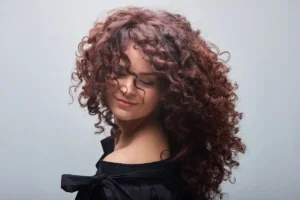
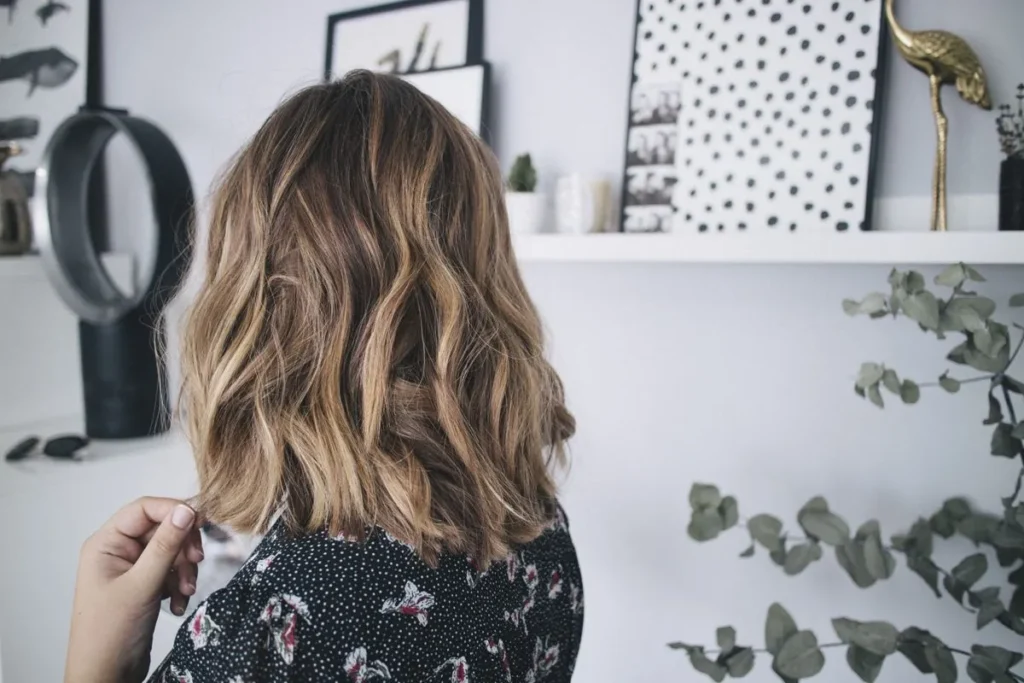
Getting to know curly short hair starts with figuring out your curl pattern. This can vary from loose waves to tight coils.
It’s key to know your curl type to take good care of and style short & curly hair right.
More people are interested in curly short hairstyles. This is because of the unique challenges and benefits they offer.
Key Takeaways
Identify your curl pattern to care for curly short hair effectively.
Understand the challenges associated with curly short hairstyles.
Learn how to style short & curly hair with the right techniques.
Be aware of the possible risks with certain hair treatments.
Discover the importance of knowing your curl type.
The Fundamentals of Curly Short Hair
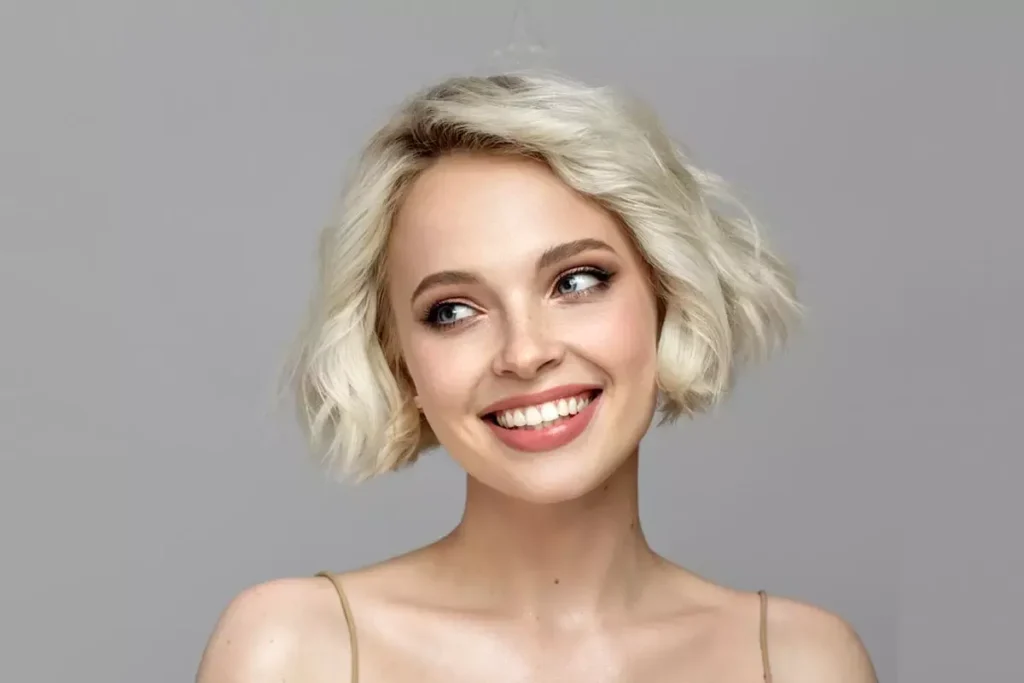
Curly short hair has many factors that affect how it looks and feels. Knowing these is key to the right care and styling.
Identifying Different Curl Patterns
Curly hair comes in various types based on its curl pattern. The Andre Walker Hair Typing System is a common way to classify them. It ranges from Type 2 (wavy) to Type 4 (tightly coiled).
Type 2: Wavy hair with an “S” shape
Type 3: Curly hair with a more defined curl
Type 4: Tightly coiled hair with a zig-zag pattern
Finding out your curl pattern is the first step to picking the right products and styling.
Understanding Hair Porosity and Texture
Hair porosity is how well your hair takes in and holds moisture. It’s divided into low, medium, and high porosity. Low porosity hair is hard for moisture to get in. High porosity hair absorbs moisture easily but loses it quickly.
The Science Behind Curly Hair Formation
The shape of the hair follicle shapes the curl. A round follicle makes straight hair. Oval or elliptical follicles make curly or wavy hair. The hair’s cortex structure and disulfide bonds also play a role in its curl.
Knowing how curly hair forms helps pick the best care and styling products.
Essential Care Techniques for Curly Short Styles

Caring for curly short hair means gentle washing, managing moisture, and protecting it at night. Knowing the right care techniques is key to keeping your hair healthy and stylish.
Washing and Conditioning Protocols
Washing and conditioning are basic steps for curly short hair care. Use a sulfate-free shampoo and a moisturizing conditioner to keep natural oils and moisture in. Wash your hair in lukewarm water to avoid losing its natural oils.
Conditioning is also vital. It detangles and adds moisture. A weekly deep conditioning treatment can greatly improve your hair’s health and look.
Moisture Management Strategies
Curly short hair tends to be drier than other types. Use a leave-in conditioner or moisturizing cream to keep moisture in and define curls. A hydrating mask once a week gives your hair an extra moisture boost.
Use a microfiber towel or an old t-shirt to gently blot out excess water.
Avoid rubbing your hair with a regular towel, as it can cause friction and lead to breakage.
Apply a leave-in conditioner or moisturizer to damp hair to help retain moisture.
Protecting Curly Short Hair While Sleeping
It’s important to protect your curly short hair while sleeping to avoid damage and keep your style. A silk or satin pillowcase reduces friction and prevents curls from getting flattened or tangled. You can also wrap your hair in a silk or satin scarf for protection.
Another good method is the pineapple technique. Gather your curls on top of your head and secure them with a satin scarf or a soft hair tie. This method helps keep the curl pattern and reduces frizz.
Styling Your Curly Short Hair
Styling curly short hair is all about knowing your hair’s natural texture and curl pattern. With the right approach, you can bring out your natural beauty and look stylish and vibrant.
Product Selection for Different Curl Types
Choosing the right products is key for curly short hair. Each curl type needs specific products to enhance definition, reduce frizz, and add moisture.
For tight curls: Use a sulfate-free shampoo and a deep conditioning treatment to keep moisture in.
For loose curls: Apply a curl activator or a lightweight curl cream to boost definition without weighing the hair down.
A curly hair expert says, “The right products and gentle combing or brushing are essential to prevent breakage.”
— Curly Hair Expert
Cutting and Trimming Techniques
The right cutting and trimming techniques greatly impact curly short hair’s look. Dry cutting lets stylists see the hair’s natural texture and curl pattern for a precise cut.
Heat Styling Considerations
Heat styling can damage curly hair, but it can also enhance curl definition or change the style temporarily. Always use a heat protectant to minimize damage.
Keep the temperature low to moderate when using heat styling tools to prevent damage. For better curl definition, use a diffuser attachment on a blow dryer.
Defining and Enhancing Natural Curls
To define and enhance natural curls, dry your hair with a microfiber towel or an old t-shirt instead of a regular towel. Regular towels can cause friction and frizz.
Apply a curl-defining cream or gel to damp hair and then scrunch it. This helps enhance curl texture and definition.
Conclusion
Curly short hair needs special care and attention. Knowing your curl pattern, porosity, and texture helps you create a good care routine. This routine makes your natural beauty shine.
Using the right care and styling methods is important. This includes managing moisture and protecting your hair while you sleep. These steps can greatly improve your hair’s health and look.
Whether your hair is wild curly or yrly urly short, loving your natural texture is essential. By following the tips in this article, you can get the curly short hairstyle you’ve dreamed of.
FAQ
What does “short and curly” refer to?
“Short and curly” describes hair that is both cut to a shorter length and naturally forms curls, coils, or waves.
What is the significance of understanding curl type for curly short hair?
Knowing your curl type helps you choose the right products, styling methods, and maintenance routines to enhance curl definition and prevent damage.
How do I identify my curl pattern?
Curl patterns are usually classified from 2 (wavy) to 4 (coily/kinky); examining the shape of individual strands when wet and detangled can help determine your type.
What is hair porosity, and how does it affect curly short hair?
Hair porosity refers to how well your hair absorbs and retains moisture; low porosity curls may need lightweight moisturizers, while high porosity curls benefit from heavier oils and deep conditioning.
How often should I wash my curly short hair?
Washing 1–3 times per week is generally recommended, depending on scalp oiliness and styling needs, to avoid drying out natural curls.
What are some tips for protecting curly short hair while sleeping?
Use a satin or silk pillowcase, wear a satin bonnet, and consider loosely twisting or braiding hair to reduce friction and frizz overnight.
Can I use heat styling tools on my curly short hair?
Yes, but heat can damage curls, so always use a heat protectant and limit frequency to preserve natural texture.
How do I define and enhance my natural curls?
Use curl creams or gels, apply products to wet hair, scrunch gently, diffuse or air-dry, and avoid excessive touching to maintain curl shape.
What products are best for curly short hair?
Lightweight leave-in conditioners, curl creams, styling gels, and moisturizing shampoos or co-washes help hydrate, define, and hold curls without weighing them down.
Where does the term “curly” relate to “Call of the Wild”?
In Call of the Wild, “Curly” is the name of a dog character, unrelated to human hair, showing the term can refer to curly fur as well.
References
National Center for Biotechnology Information. Evidence-Based Medical Insight. Retrieved from https://pmc.ncbi.nlm.nih.gov/articles/PMC6894537/