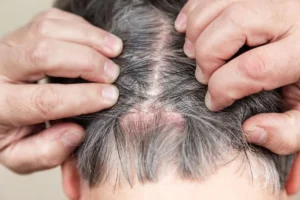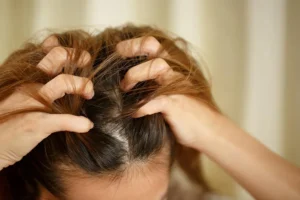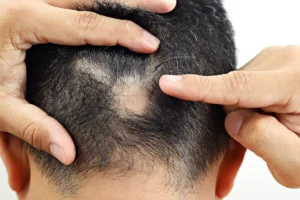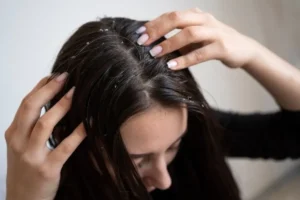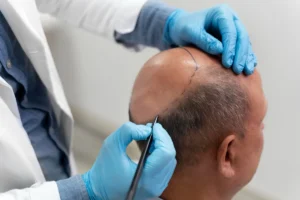
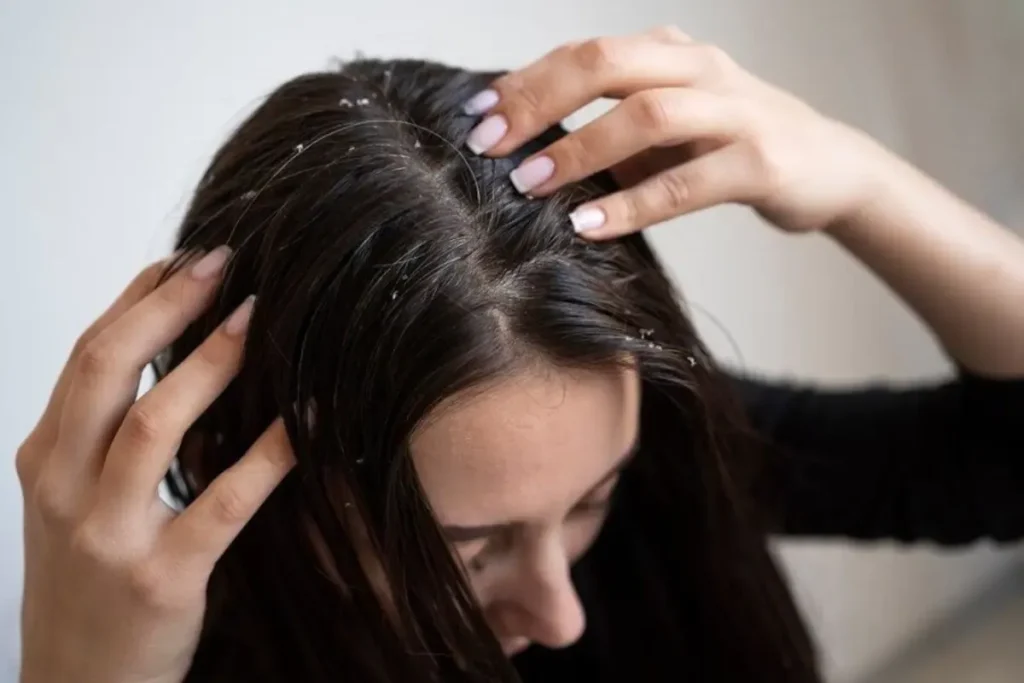
Use this dandruff remover for amazing powerful success. Discover incredible tools to stop scary flakes and achieve an incredibly clean scalp.
Dandruff affects about 50% of the global adult population. It causes discomfort, embarrassment, and frustration for millions. Finding effective ways to remove it is key to feeling better and preventing it from coming back.
Knowing what causes dandruff and the treatment options helps people take care of their scalp. This guide covers the latest on dandruff causes and how to remove it. It includes using a dandruff remover and other scalp dandruff removal methods.
Key Takeaways
Understanding dandruff causes is key to removing it effectively.
Proven removal solutions can help ease symptoms.
A dandruff removal tool can be a big help in treatment.
Keeping your scalp healthy is important to stop it from coming back.
There are many treatment options for different levels of dandruff.
Understanding Dandruff: Causes and Mechanisms
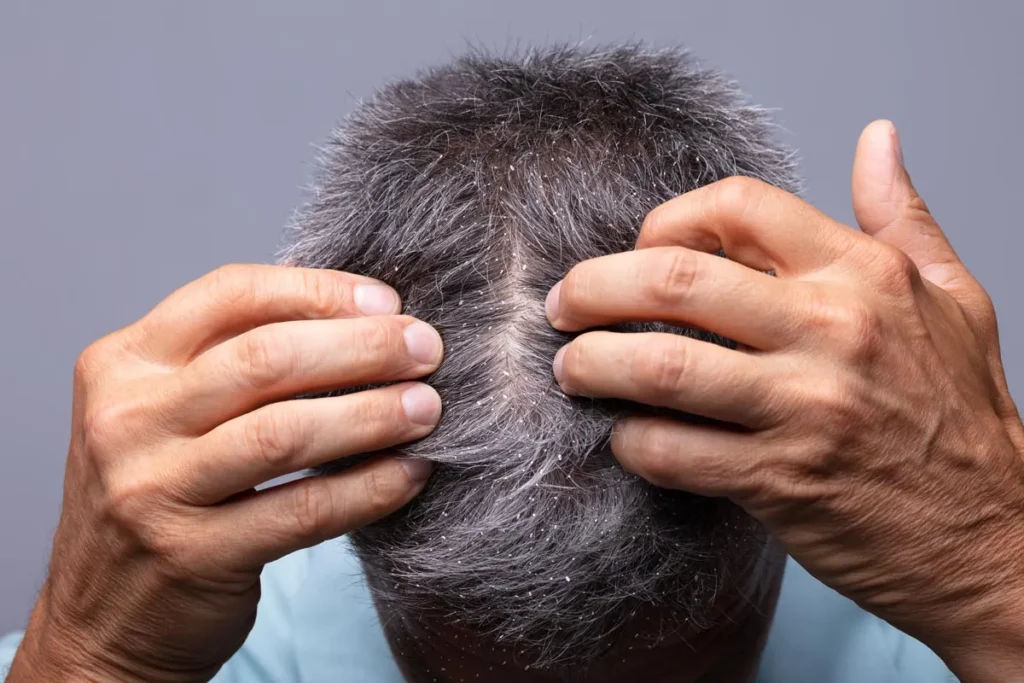
To fight dandruff, knowing what causes it is key. It’s not just about looks; it’s a sign of a deeper issue. To get rid of dandruff, we must tackle the root cause.
The scalp sheds skin cells all the time. But for people with dandruff, this happens too fast. This leads to a lot of dead skin cells building up.
The Science Behind Scalp Cell Turnover
Many things affect how fast scalp skin cells turn over. Fungi play a big role. Studies found that Malassezia yeast is more common in people with dandruff. This yeast breaks down oils, causing irritation and flaking.
Dr. [Last Name], Dermatologist
Dandruff can be caused by stress, diet, and how we take care of our hair. Knowing these triggers helps us find the right dandruff cleaner.
Common Triggers and Risk Factors
Many things can make dandruff worse. These include:
Stress: High stress levels can trigger or worsen dandruff.
Diet: A diet lacking essential nutrients can affect scalp health.
Hygiene: Infrequent shampooing or using the wrong hair care products can contribute to dandruff.
Knowing what causes dandruff is the first step to getting rid of it. This knowledge helps us make better choices for our scalp. It leads to a healthier, flake-free scalp.
Effective Dandruff Remover Tools and Products
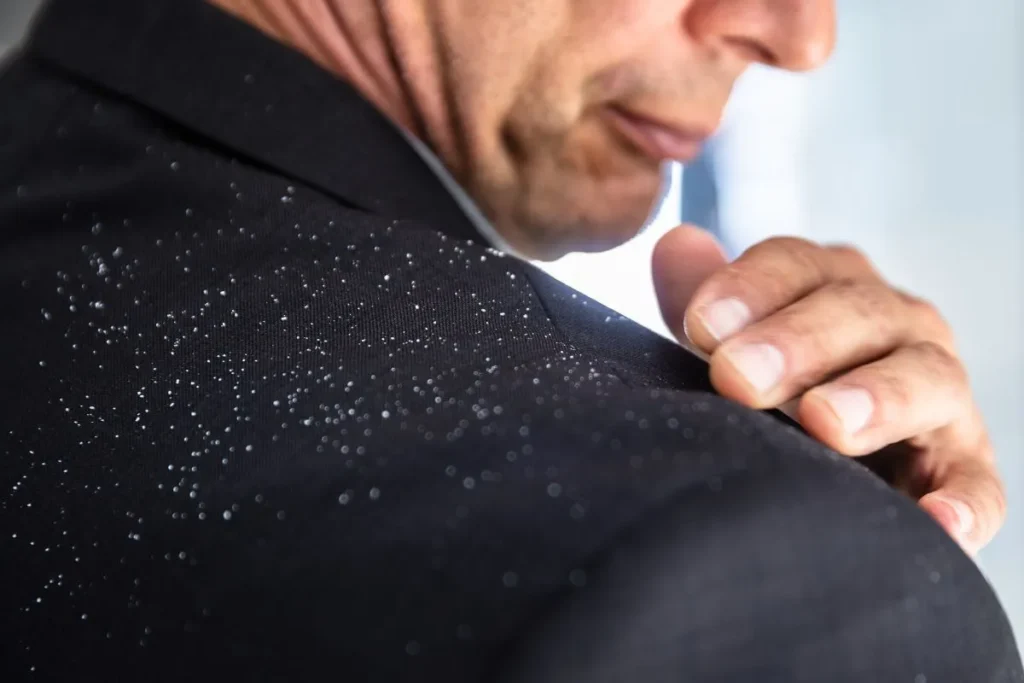
To fight dandruff, you need the right tools. This includes medicated solutions, scalp tools, and natural treatments. The market has many products and tools to help manage and remove dandruff.
Medicated Anti-Dandruff Solutions
Medicated shampoos are a good start against dandruff. They often have zinc pyrithione, ketoconazole, or salicylic acid. These ingredients help reduce flaking, inflammation, and fungal growth on the scalp.
Zinc Pyrithione: It fights fungal and bacterial growth, controlling dandruff and itching.
Ketoconazole: It’s great for stubborn dandruff caused by fungus.
Salicylic Acid: It loosens and removes flakes, making the scalp healthier.
Specialized Scalp Tools and Devices
There are also scalp tools and devices to help remove dandruff. Scalp scrapers and massagers gently remove flakes and improve blood flow.
Using these tools can:
Remove dandruff flakes better
Improve scalp health with better blood flow
Lower the risk of scalp irritation if used right
Natural and DIY Dandruff Treatments
For a natural approach, there are DIY treatments. Ingredients like tea tree oil, coconut oil, and aloe vera are good. They have antifungal and soothing properties that help with dandruff.
Some natural remedies include:
Tea tree oil shampoo or treatment
Coconut oil scalp massage
Aloe vera gel application
You can use these treatments alone or with medicated shampoos for better results.
Professional Methods for Removing Dandruff
To get rid of dandruff, you need to shampoo and treat your scalp right. It’s all about patience, the right products, and knowing how to care for your scalp.
Proper Shampooing and Treatment Application Techniques
Shampooing is the first step to fight dandruff. Use a medicated shampoo with zinc pyrithione or ketoconazole. Gently massage your scalp to loosen flakes and make sure the shampoo spreads evenly.
Effective Shampooing Tips:
Wet your hair with warm water to help loosen flakes.
Apply the shampoo directly to the scalp.
Massage the shampoo into the scalp using gentle circular motions.
Rinse thoroughly with warm water.
Repeat if necessary, depending on the product instructions.
After shampooing, use a treatment product to control dandruff. This could be a leave-in treatment or a scalp serum that soothes and calms the scalp.
Scalp Exfoliation and Massage Protocols
Scalp exfoliation is key to removing dandruff. It gets rid of dead skin cells and boosts scalp health. You can exfoliate your scalp with a scalp scrub or a device made for it.
Benefits of Scalp Exfoliation:
Removes dead skin cells and reduce flaking.
Improves blood circulation to the scalp.
Helps reduce inflammation and irritation.
Scalp massage also helps in removing dandruff. It increases blood flow, which reduces inflammation and promotes healing.
By using the right shampooing, treatment, and scalp care, you can get rid of dandruff and keep your scalp healthy.
Conclusion: Maintaining a Dandruff-Free Scalp
To keep your scalp dandruff-free, you need to care for it regularly and use the right tools. Knowing what causes dandruff and how to remove it is key. This way, you can stop it from coming back and keep your scalp healthy.
Scalp care is essential to avoid dandruff. Using the best products and methods, like medicated shampoos and scalp exfoliation, helps. Also, keeping your scalp clean and using gentle products can help prevent dandruff.
By following the tips in this article, you can have a healthier scalp without dandruff. It’s all about using the right products, taking care of your scalp, and being proactive. This will help you keep your scalp dandruff-free.
FAQ
What is the best dandruff remover tool?
A silicone scalp massager or dandruff brush with soft bristles is often recommended to help loosen flakes and remove buildup while shampooing. Gentle tools work best for most people.
How do I remove dandruff from my scalp?
Use a medicated anti-dandruff shampoo regularly, gently massage your scalp to lift flakes, rinse thoroughly, and combine with occasional scalp exfoliation to clear buildup.
What are some natural remedies for dandruff removal?
Diluted tea tree oil, aloe vera gel, and apple cider vinegar rinses can help soothe irritation and reduce flakes when used consistently.
How often should I use a dandruff remover?
Tools like scalp brushes are best used 1–3 times a week during shampoo sessions. Overuse can irritate the scalp, especially if sensitive.
Can stress trigger dandruff?
Yes. Stress can worsen dandruff by influencing oil production and inflammation linked to Seborrheic dermatitis.
What is the role of diet in dandruff removal?
Balanced nutrition with zinc, omega-3s, and B vitamins supports overall scalp health; low diet quality may contribute to inflammation and flaking.
How can I prevent dandruff recurrence?
Use anti-dandruff shampoo consistently, keep the scalp clean but not over-washed, avoid harsh hair products, and maintain a healthy routine.
What is a dandruff vacuum, and is it effective?
There’s no widely accepted “dandruff vacuum” device; mechanical scalp vacuums aren’t standard for dandruff and lack strong evidence for effectiveness compared to shampoos and massagers.
Can I use a dandruff remover tool on a sensitive scalp?
Yes, but choose soft silicone bristles and use gently. Too much pressure or stiff tools can irritate a sensitive scalp.
References
National Center for Biotechnology Information. Evidence-Based Medical Insight. Retrieved from https://pmc.ncbi.nlm.nih.gov/articles/PMC4852869/