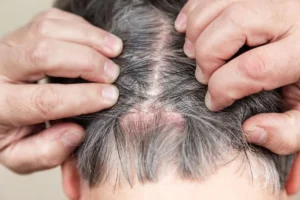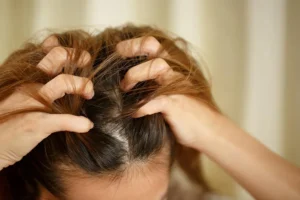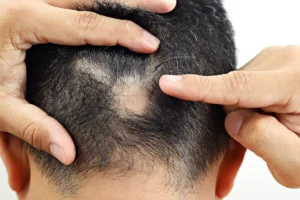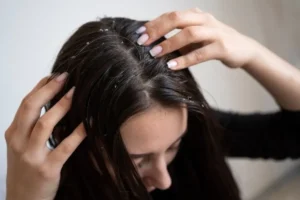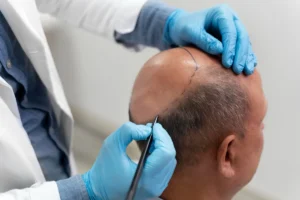
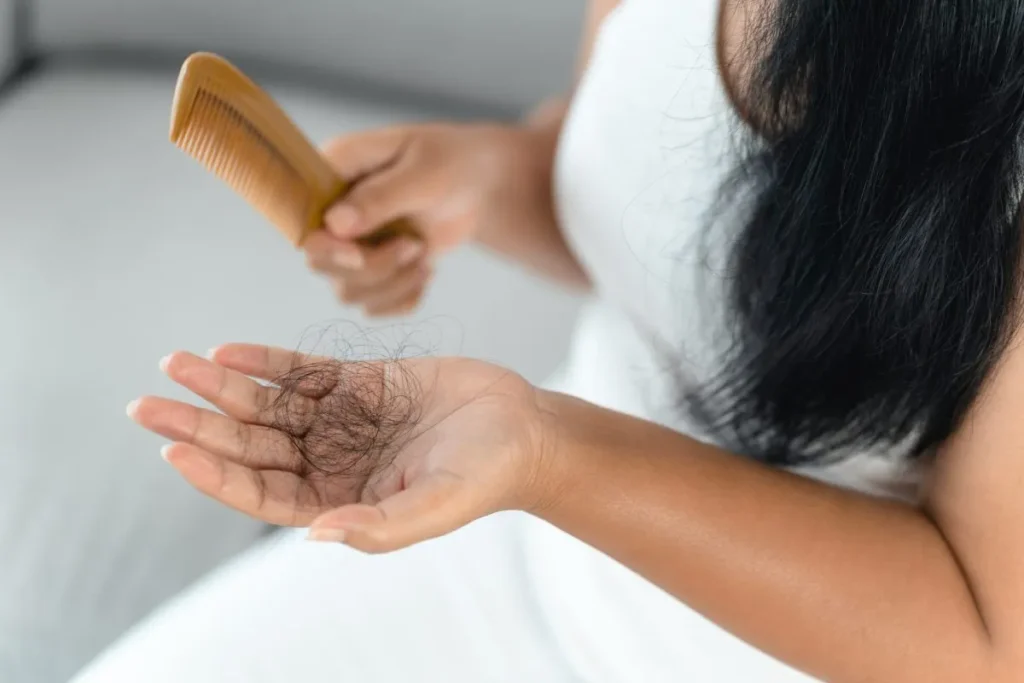
Vitamin B12 is key for healthy hair. It helps with DNA synthesis, red blood cell production, and nerve function. Not having enough Vitamin B12 can cause hair loss, which is upsetting for many.
Does b12 deficiency cause hair loss? Discover the scientific truth about vitamins and how a deficiency can lead to thinning and shedding.
Recent studies show a strong connection between Vitamin B12 deficiency and hair loss. This is true, mainly for cases of widespread hair shedding. At Gold City Hair, we look into all possible reasons for hair loss, like genetics and diet. Fixing a Vitamin B12 deficiency is a big step towards having healthy hair and feeling confident again.
Key Takeaways
Vitamin B12 is essential for healthy hair growth.
A deficiency in Vitamin B12 can cause hair loss.
Scientific evidence supports the link between Vitamin B12 deficiency and hair loss.
Addressing Vitamin B12 deficiency can help in regaining confidence.
Nutritional deficiencies, including Vitamin B12 deficiency, are a possible cause of hair loss.
The Role of Vitamin B12 in Hair Health
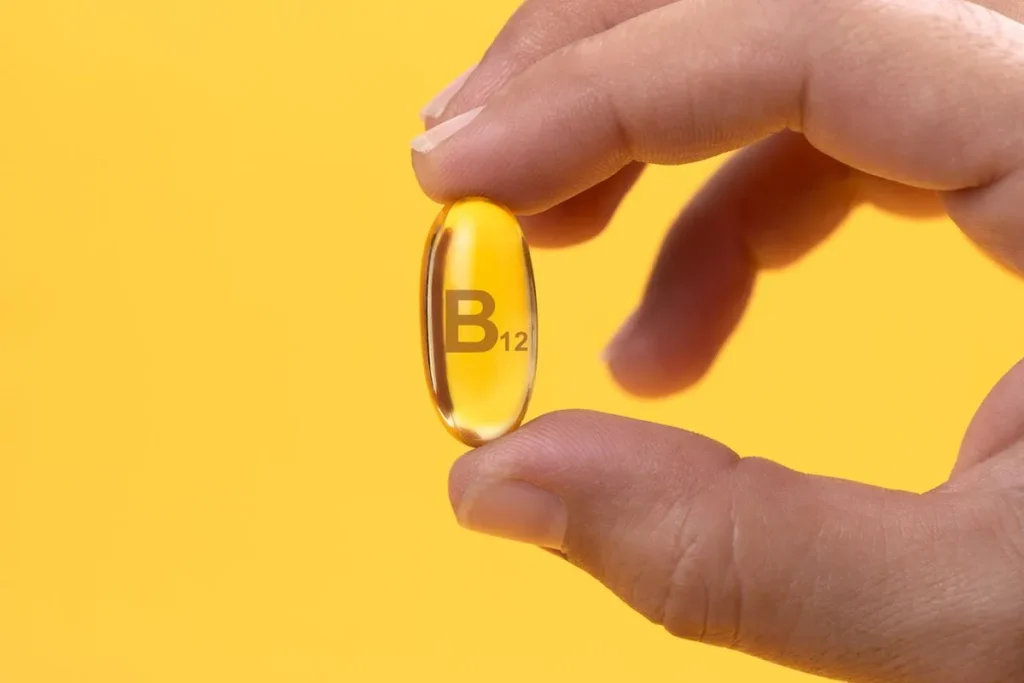
Healthy hair growth needs enough Vitamin B12. This vitamin is key for making red blood cells. These cells carry oxygen and nutrients to hair follicles.
Vitamin B12 is important for DNA synthesis and cell production. These are key for hair follicle growth and upkeep. Without enough B12, hair loss can happen.
B12’s Impact on DNA Synthesis and Cell Production
Vitamin B12 helps make DNA, which is vital for cell division. This is how new hair cells are made. Without enough B12, hair follicles can’t make new hair strands well. This can cause thinning and shedding.
A study on telogen effluvium found a strong link between B12 deficiency and hair loss. This is true for chronic telogen effluvium. Having enough B12 can help prevent this.
How B12 Supports Nerve Function and Hair Follicles
Vitamin B12 also helps with nerve function. This is important for scalp and hair follicle health. Healthy nerves send the right signals for hair growth.
Keeping Vitamin B12 levels up can help hair health. It might even stop hair loss caused by B12 deficiency.
Does B12 Deficiency Cause Hair Loss? Scientific Evidence
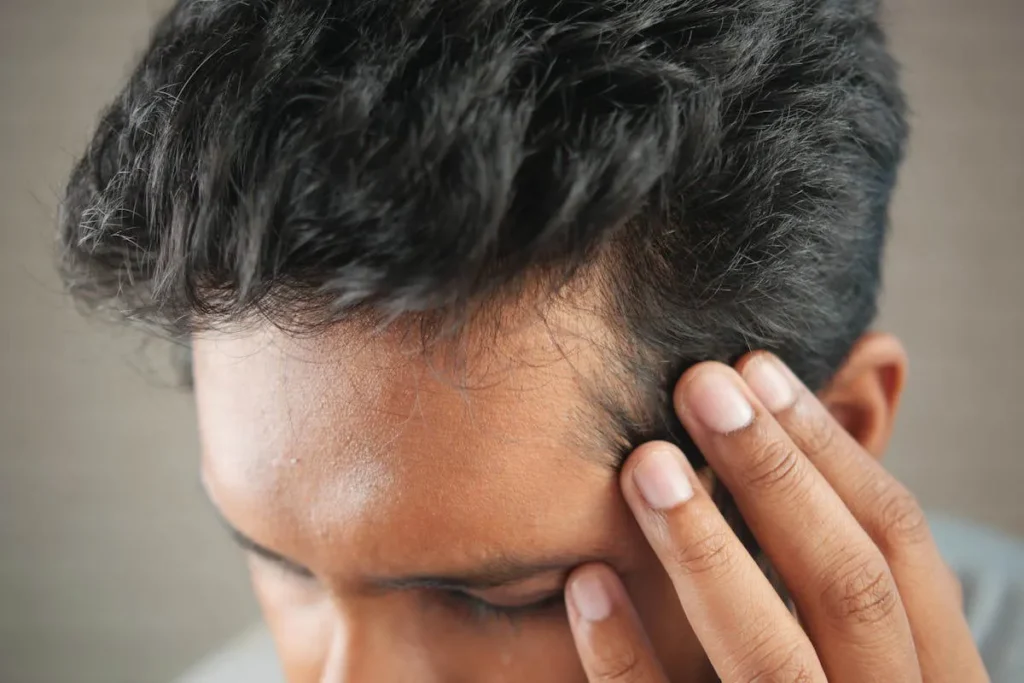
Research shows a strong link between Vitamin B12 deficiency and hair loss, mainly in chronic telogen effluvium. Vitamin B12 is key for making red blood cells, nerve function, and DNA. All these are important for healthy hair.
Understanding the Role of B12 in Hair Health
B12 deficiency can cause hair issues like shedding, thinning, and early graying. This happens because B12 is important in the hair growth cycle and for hair follicles.
Research on Telogen Effluvium and B12 Levels
Telogen effluvium is a condition with too much hair shedding, often due to stress, poor nutrition, or hormonal changes. Studies show people with telogen effluvium often have low B12 levels. This suggests a link between B12 deficiency and this condition.
Correcting B12 deficiency can help with telogen effluvium, leading to healthier hair. Research shows B12 supplements can make hair thicker and reduce shedding in those with a deficiency.
Who’s at Risk: Bariatric Patients, Pregnant Women, and Vegetarians
Some groups are more likely to have Vitamin B12 deficiency. Bariatric patients might not absorb nutrients well, including B12, after surgery.
Pregnant women need more Vitamin B12, and a deficiency can cause hair loss.
Vegetarians and vegans are at risk because they don’t eat animal products, which are natural B12 sources.
Effects on Hair: Shedding, Thinning, and Premature Graying
Vitamin B12 deficiency can lead to more hair shedding, thinning, and early graying. These symptoms can be upsetting and affect how people feel about themselves.
Fixing B12 deficiency through diet or supplements can help. It’s important to get enough Vitamin B12 to keep hair healthy and prevent loss.
Conclusion: Recovery and Treatment for B12-Related Hair Loss
Vitamin B12 is key for healthy hair follicles. A lack of B12 can cause hair to fall out and turn gray early. But, treating B12 deficiency can help hair grow back and stop more loss.
To get healthy hair, it’s important to fix B12 levels. Eating foods like fish, meat, and dairy can help. For those with a real deficiency, B12 supplements are a good choice.
Fixing B12 levels can make hair loss reverse and new hair grow. This shows how important B12 is for hair health. It also shows how treatment can help.
Knowing how B12 affects hair loss is key to treating it. Fixing the cause helps people feel better and get their hair back to normal.
FAQ
Can vitamin B12 deficiency cause hair loss?
Yes, vitamin B12 deficiency can contribute to hair thinning and increased shedding, as it affects red blood cell production and oxygen supply to hair follicles.
How does vitamin B12 support hair health?
Vitamin B12 helps in red blood cell formation and cell metabolism, ensuring hair follicles receive enough oxygen and nutrients for healthy growth.
What are the effects of vitamin B12 deficiency on hair?
Deficiency may lead to excessive shedding, slower growth, thinning hair, and weaker strands.
Who is at risk of vitamin B12 deficiency?
People at higher risk include vegetarians, vegans, older adults, individuals with digestive disorders, and those with poor nutrient absorption.
Can vitamin B12 supplements help with hair loss?
If hair loss is due to a deficiency, B12 supplements can improve hair health and reduce shedding once levels are restored.
Does vitamin B12 make your hair grow?
Vitamin B12 supports normal hair growth, but it does not boost growth beyond normal levels unless you were deficient.
Can low vitamin B12 cause hair thinning?
Yes, low B12 levels can lead to hair thinning and increased hair fall over time.
Will taking vitamin B12 help with hair fall?
It can help if hair fall is caused by a confirmed B12 deficiency, but it may not help if hair loss is due to genetics or other causes.
References
National Center for Biotechnology Information. Evidence-Based Medical Insight. Retrieved from https://pmc.ncbi.nlm.nih.gov/articles/PMC11694638/