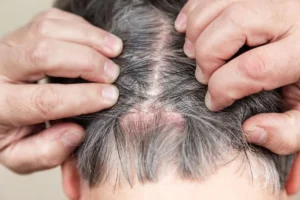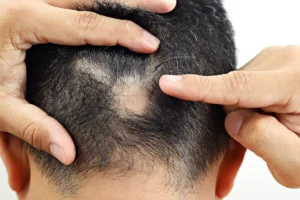
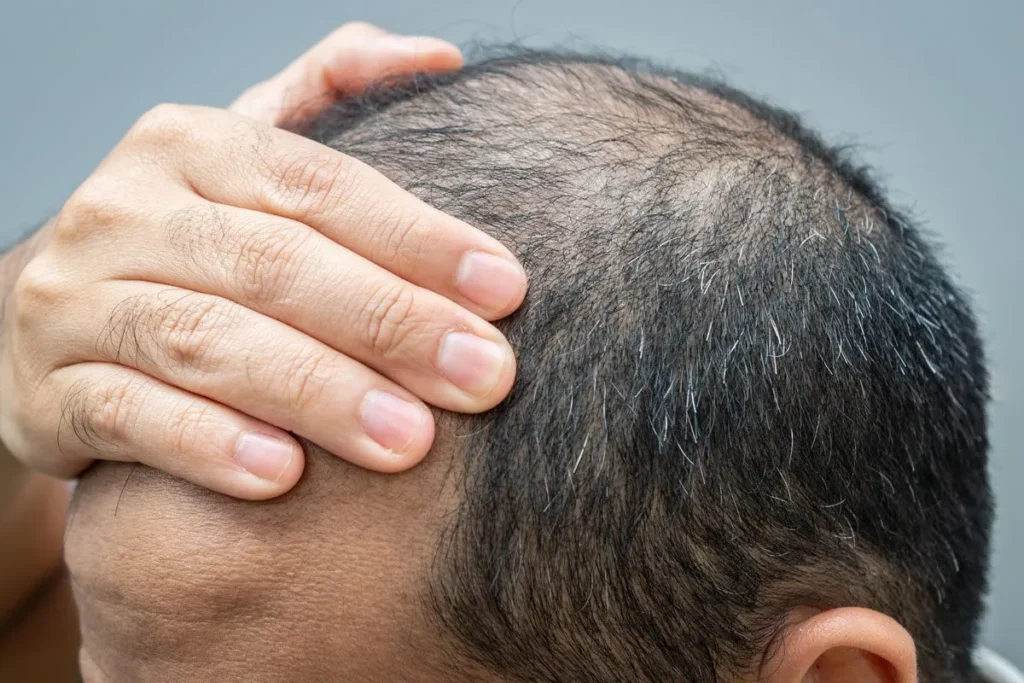
Are you losing hair or feeling really tired? These could be signs of a bigger problem: vitamin D deficiency. This issue affects over one billion people worldwide.
Vitamin D is vital for our health. It helps keep our bones strong and our immune system working well. But, many people don’t get enough of it, even from foods like milk and orange juice.
This article will look at the 7 signs of vitamin D deficiency. We’ll focus on hair loss and fatigue to see if you might be at risk.
Key Takeaways
Vitamin D deficiency affects over one billion people worldwide.
Common signs include hair loss, fatigue, and other health issues.
Vitamin D is key for bone health and immune function.
Deficiency can be caused by limited sun exposure and dietary factors.
Identifying the signs is key to addressing the deficiency.
Understanding Vitamin D Deficiency
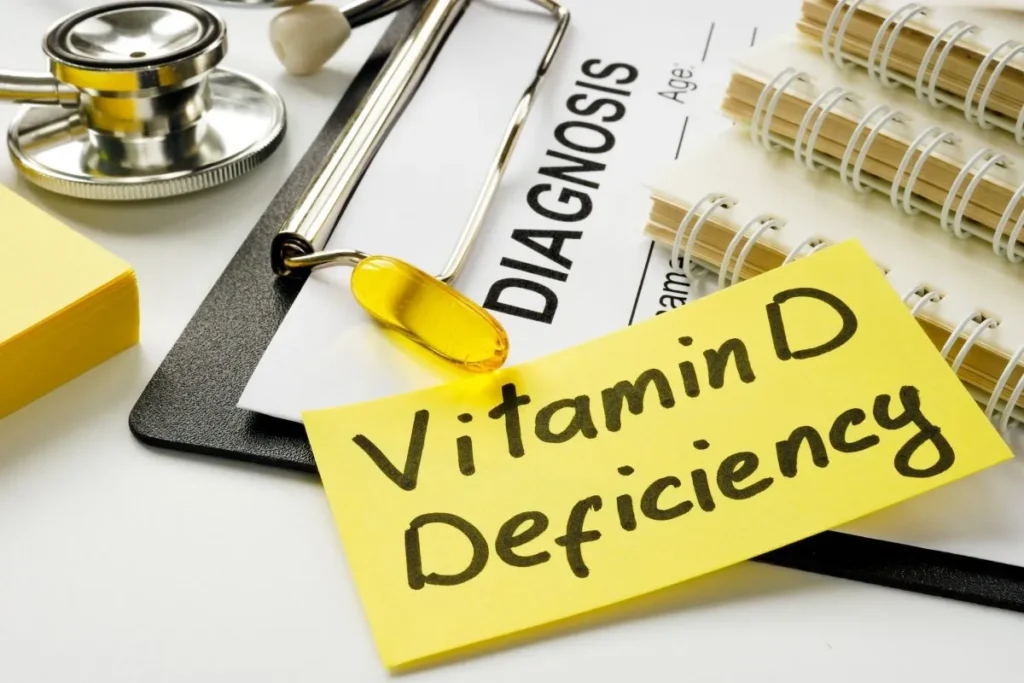
Vitamin D is a fat-soluble vitamin that’s key for our health. It helps keep our bones strong, supports our immune system, and plays a role in overall health.
What is Vitamin D and Its Role in Health
Vitamin D helps our body absorb calcium. Calcium is vital for strong bones. It also helps with immune function and cell growth.
Key Functions of Vitamin D:
Maintains strong bones by regulating calcium levels
Supports immune system function
Influences cell growth and differentiation
The Growing Prevalence of Vitamin D Deficiency
Vitamin D deficiency is a big health issue worldwide. Reasons include less sun exposure, more sunscreen use, and our diet.
The table below shows some important stats on vitamin D deficiency:
Knowing these factors helps us tackle vitamin D deficiency. It’s important for public health.
Does Low Vitamin D Cause Hair Loss? The Scientific Evidence

Scientists are studying how low vitamin D levels affect hair loss. Vitamin D is important for health, and it’s found in hair follicles too.
Vitamin D Receptors in Hair Follicles
Vitamin D receptors are in hair follicles. This means vitamin D directly affects hair growth. Research shows that not enough vitamin D can cause hair loss.
“Vitamin D receptors are expressed in the hair follicle, and vitamin D has been shown to regulate the hair growth cycle.” This shows how vital vitamin D is for healthy hair.
Research Statistics on Vitamin D and Hair Loss
Studies have found a link between vitamin D deficiency and hair loss. Many people with hair loss also have low vitamin D levels.
The table shows a strong link between vitamin D deficiency and hair loss. This suggests that low vitamin D might cause hair loss.
Types of Hair Loss Associated with Deficiency
Vitamin D deficiency is linked to several hair loss types. These include alopecia areata, female pattern hair loss, and male androgenetic alopecia. Knowing vitamin D’s role in these conditions can help find treatments.
In summary, research shows a clear link between low vitamin D and hair loss. Vitamin D’s presence in hair follicles and its deficiency in hair loss cases underline its role in hair health.
7 Key Signs You May Have a Vitamin D Deficiency
Knowing the signs of vitamin D deficiency is key to getting help early. Vitamin D is vital for strong bones, a healthy immune system, and overall well-being. A lack of this nutrient can cause various symptoms, some of which might seem unrelated at first.
Hair Loss and Thinning
Hair loss is a clear sign of vitamin D deficiency. Studies show vitamin D receptors in hair follicles, linking vitamin D to hair growth. If you’re losing hair or seeing it thin, check your vitamin D levels.
Persistent Fatigue and Low Energy
Feeling tired or experiencing extreme fatigue might mean you’re low on vitamin D. This vitamin helps produce energy. Without enough, you might feel too tired to do everyday things.
Muscle Weakness and Pain
Muscle weakness is another sign of vitamin D deficiency. Vitamin D is key for muscle strength and function. Without it, you might feel muscle cramps, weakness, and pain, making it hard to move around.
Bone Pain and Discomfort
Vitamin D is essential for bone health. A deficiency can cause bone pain and discomfort. This pain can be mild or severe, often felt in the back, legs, or joints. It’s a sign your body needs more vitamin D for bone health.
Other signs include osteoporosis, a higher risk of infections, and depression. It’s important to know these symptoms and see a doctor if you notice several of them.
Conclusion: Testing and Addressing Vitamin D Deficiency
If you’re showing signs of low vitamin D, like hair loss or feeling tired, you should act fast. Testing for vitamin D is key to figuring out what to do next.
To tackle vitamin D deficiency, try changing your diet, getting more sun, and maybe taking supplements. Eating foods rich in vitamin D, like fatty fish, egg yolks, and fortified dairy, can boost your levels.
Vitamin D is essential for healthy hair follicles and overall health. Knowing its importance and taking steps to fix any shortfalls can help your hair grow well and keep you healthy.
FAQ
Vitamin D Deficiency and Tiredness?
Yes, low vitamin D commonly causes fatigue by impairing energy production and muscle function.
Weird Symptoms of Vitamin D Deficiency?
Frequent infections, bone pain, muscle cramps, hair loss, mood changes, slow wound healing.
Extreme Fatigue from Vitamin D Deficiency?
Yes, studies link severe tiredness to low levels, improving with supplementation.
Can Fatigue Be Caused by Low Vitamin D?
Yes, deficiency disrupts sleep quality and cellular energy, leading to persistent exhaustion.
Lack of Vitamin D Cause Anxiety?
Vitamin D Deficiency Cause Fatigue?
Confirmed in multiple studies; resolves in weeks-months with correction.
Low Vitamin D Cause Hair Loss?
Yes, associated with thinning via follicle cycle disruption.
Does Low Vitamin D Cause Hair Loss?
How to Know If Vitamin D Low?
Tell If Vitamin D Is Low?
What Happens If Vitamin D Low?
Weak bones (osteomalacia), muscle pain, immune issues, fatigue, hair loss.
Symptoms of Lacking Vitamin D?
Fatigue, bone/muscle pain, hair loss, depression, slow healing.
Lack of Vitamin D Make You Tired?
Yes, via poor calcium/muscle function and inflammation.
Signs of Vitamin D Lack?
Tiredness, aches, weak immunity, mood dips, cramps.
Vitamin D Deficiency Cause Cramps?
Yes, affects muscle contraction via calcium imbalance.