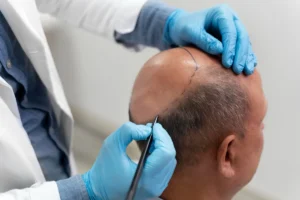
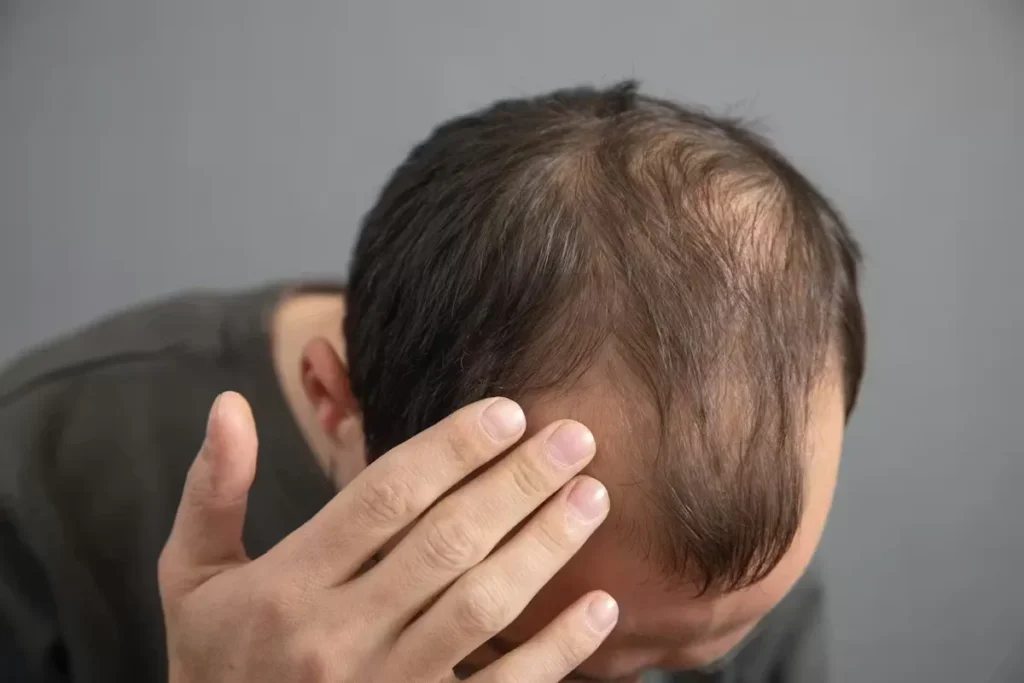
Hair loss is a big worry for millions around the world. It affects both men and women. Recent studies show that oral minoxidil might be a good treatment for hair loss.
Does oral minoxidil work? Discover the amazing results and powerful safety facts. Achieve incredible hair growth and stop scary balding now.
A big study looked at 2933 patients. It found that low dose oral minoxidil helped a lot. It made hair grow thicker and faster, just like topical treatments.
Oral minoxidil is seen as a safe and effective way to grow hair. It could be as good as other treatments. This makes it a popular choice for those looking to restore their hair.
Key Takeaways
Oral minoxidil is a promising treatment for androgenetic alopecia.
Significant improvements in hair density and growth rate have been observed.
Low dose oral minoxidil shows comparable results to topical minoxidil formulations.
Oral minoxidil is considered effective and safe for hair loss treatment.
It offers a viable alternative for individuals seeking hair restoration.
Understanding Oral Minoxidil for Hair Loss
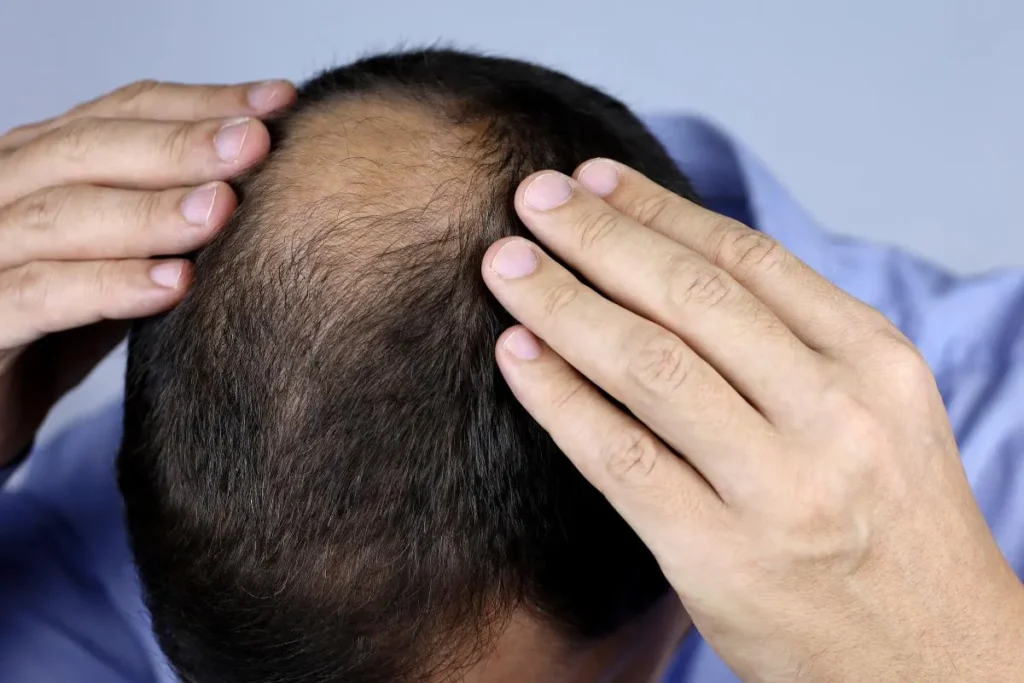
Recent studies show that low-dose oral minoxidil can help with hair loss. This drug, once used for high blood pressure, now helps both men and women with hair loss.
What is Oral Minoxidil and How It Works
Oral minoxidil is a treatment that helps blood flow to the scalp. It does this by widening blood vessels. This increased blood flow brings more oxygen and nutrients to hair follicles.
The exact way minoxidil helps hair grow is not fully known. But it’s thought to make the hair growth phase last longer.
Low-Dose Protocols for Hair Loss Treatment
Low-dose oral minoxidil is designed to be safe while effective. For women, doses range from 0.25 to 1.25 mg daily. Men usually take 2.5 to 5 mg daily.
A study found that low-dose oral minoxidil is safe and works well for both men and women with hair loss.
There’s solid evidence supporting the use of low-dose oral minoxidil for hair loss. It’s seen as a good option for those losing hair.
Does Oral Minoxidil Work? Clinical Evidence and Results
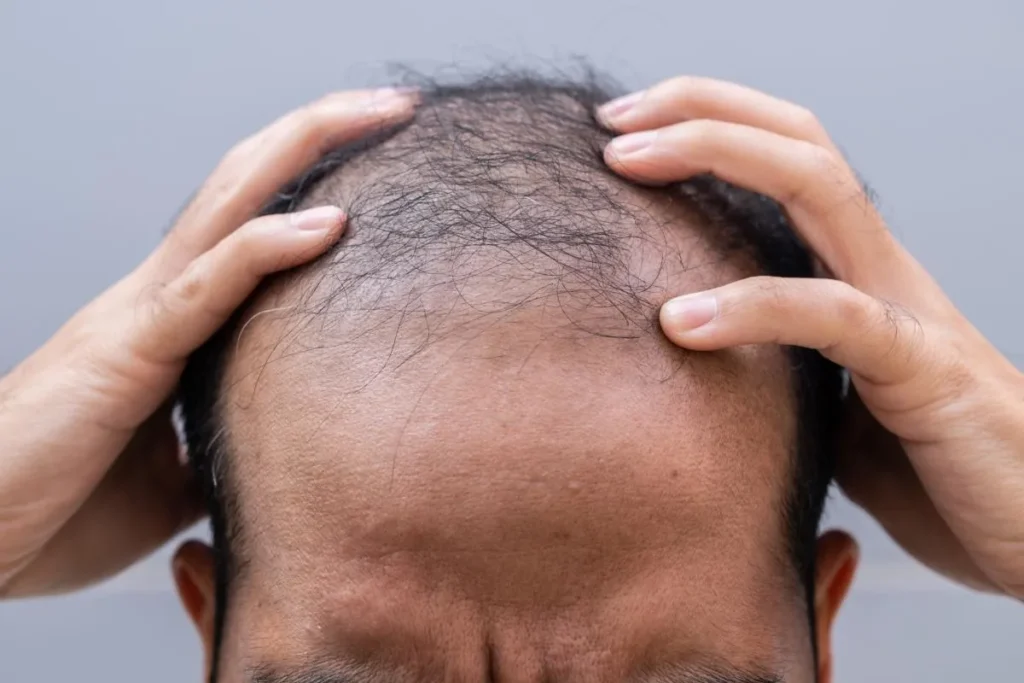
Oral minoxidil is a new hope for hair loss, backed by lots of research. It works well for both men and women with hair loss. Scientists have studied it a lot.
Research Findings from Meta-Analyses
Meta-analyses are key in understanding oral minoxidil’s benefits. They combine data from many studies. They show that oral minoxidil boosts hair density and growth rate. This makes it a good choice for those losing hair.
A big meta-analysis found that even small doses of oral minoxidil help hair grow. This is great for those who don’t do well with creams or prefer pills.
Effectiveness for Male Pattern Hair Loss (2.5-5mg Dosing)
Studies show oral minoxidil works for men’s hair loss at 2.5 to 5mg doses. The lower dose is better because it has fewer side effects but is just as effective. Men taking it grew more hair than those who didn’t.
Effectiveness for Female Pattern Hair Loss (0.25-1.25mg Dosing)
Women with hair loss also benefit from oral minoxidil, but at lower doses (0.25-1.25mg). These doses are effective and lower the risk of side effects. This shows oral minoxidil is a good choice for women too.
Comparing Oral vs. Topical Minoxidil Effectiveness
Studies say oral and topical minoxidil grow hair equally well. Oral minoxidil is good for those who can’t use creams or get irritated. Whether to choose oral or topical depends on personal preference and side effects.
In summary, the research on oral minoxidil for hair loss is strong. It works well for many people. Oral minoxidil is a hopeful treatment for hair loss.
Safety Profile and Side Effects of Oral Minoxidil
Oral minoxidil is a treatment for hair loss, but it’s important to know its safety and side effects. It has shown to help grow hair, but it’s key to understand and manage its side effects.
Common Side Effects and Their Management
Oral minoxidil is usually safe, but some people may experience side effects. Common issues include hypertrichosis (too much hair in unwanted places) and lower limb edema (swelling in the legs and feet).
It’s important to manage these side effects to keep quality of life high. For example, if you get too much hair, you might need to adjust your dosage or try other hair removal methods.
Knowing about these side effects and how to handle them is vital. Both doctors and patients need to understand this. Below is a table that lists common side effects and how to manage them.
Who Should Avoid Oral Minoxidil Treatment
Some people should not take oral minoxidil because of health risks. This includes those with heart disease, anyone allergic to minoxidil, and pregnant or breastfeeding women.
It’s vital to tell your doctor about your health history before starting oral minoxidil. This helps ensure your safety and reduces risks.
Conclusion
Oral minoxidil is showing great promise in treating hair loss. Studies have shown it can help hair grow and increase density. It works well for both men and women, with different doses leading to better results.
People taking minoxidil 2.5 mg tablets have seen less hair falling out and more growing. While Rogaine works too, oral minoxidil is a good choice for those who prefer taking pills.
It’s important to know if oral minoxidil is safe. Most people can handle its side effects, but some should not take it. This is because of possible health risks.
In short, oral minoxidil is a good choice for those losing hair. It’s safe and effective. As more research comes in, it could help even more people with hair loss.
FAQ
Effectiveness of Oral Minoxidil
Oral minoxidil is highly effective for treating various types of hair loss, often producing superior results to topical versions in clinical studies. It is particularly beneficial for patients who do not respond well to topical Rogaine due to a lack of specific scalp enzymes or those who suffer from inflammatory scalp irritation.
Mechanism for Hair Growth
Oral minoxidil works as a potent vasodilator that relaxes blood vessels and increases the delivery of oxygen and growth factors directly to the hair follicles. By stimulating the transition of follicles from the resting phase to the active growth phase, it effectively increases hair shaft diameter and overall scalp coverage.
Typical Dosage for Hair Loss
The typical dosage for hair loss is considered “low-dose,” usually ranging from 0.25 mg to 2.5 mg daily for women and 1.25 mg to 5 mg for men. These micro-doses are a small fraction of the amount used to treat high blood pressure, specifically balanced to maximize hair growth while minimizing systemic side effects.
Safety for Women
Oral minoxidil is generally safe for women when prescribed at very low doses and monitored by a physician to check for fluid retention or blood pressure changes. However, it is strictly contraindicated during pregnancy or breastfeeding, and women should be aware of the increased risk of fine facial hair growth as a common side effect.
Common Side Effects
The most frequent side effects include hypertrichosis (unwanted hair growth on the face or body), lightheadedness, and temporary headaches as the body adjusts to the medication. Some users may also notice mild swelling in the ankles or a temporary increase in hair shedding during the first few weeks of the treatment.
Combined Usage with Topicals
While oral minoxidil is powerful enough to be used alone, it can be used in conjunction with topical minoxidil to potentially enhance results through both systemic and localized stimulation. Most dermatologists, however, recommend switching entirely to the oral version to avoid the scalp irritation and daily hassle associated with topical applications.
Who Should Avoid Oral Minoxidil
Individuals with a history of heart failure, significant kidney disease, or certain types of heart valve issues should avoid oral minoxidil due to the risk of fluid buildup around the heart. It is also not recommended for those with very low blood pressure or anyone who has previously experienced a severe allergic reaction to the drug.
Timeline for Results
Visible results from oral minoxidil typically take three to six months to appear, as the hair follicles require time to reset and produce new, thicker strands. Most patients notice a significant reduction in hair shedding first, followed by a gradual increase in hair density and thickness over the first year of consistent use.
References
National Center for Biotechnology Information. Evidence-Based Medical Insight. Retrieved from https://pubmed.ncbi.nlm.nih.gov/32622136/