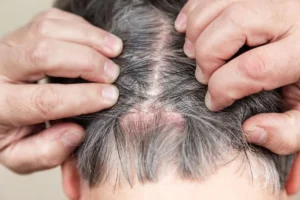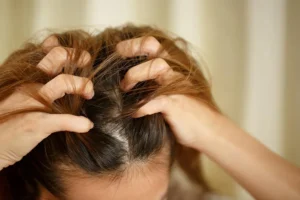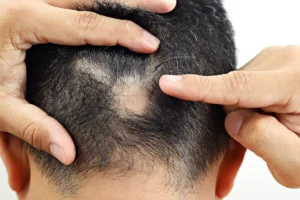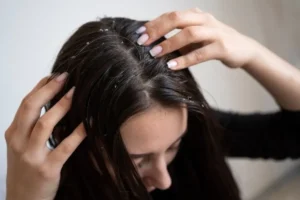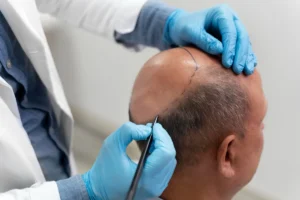
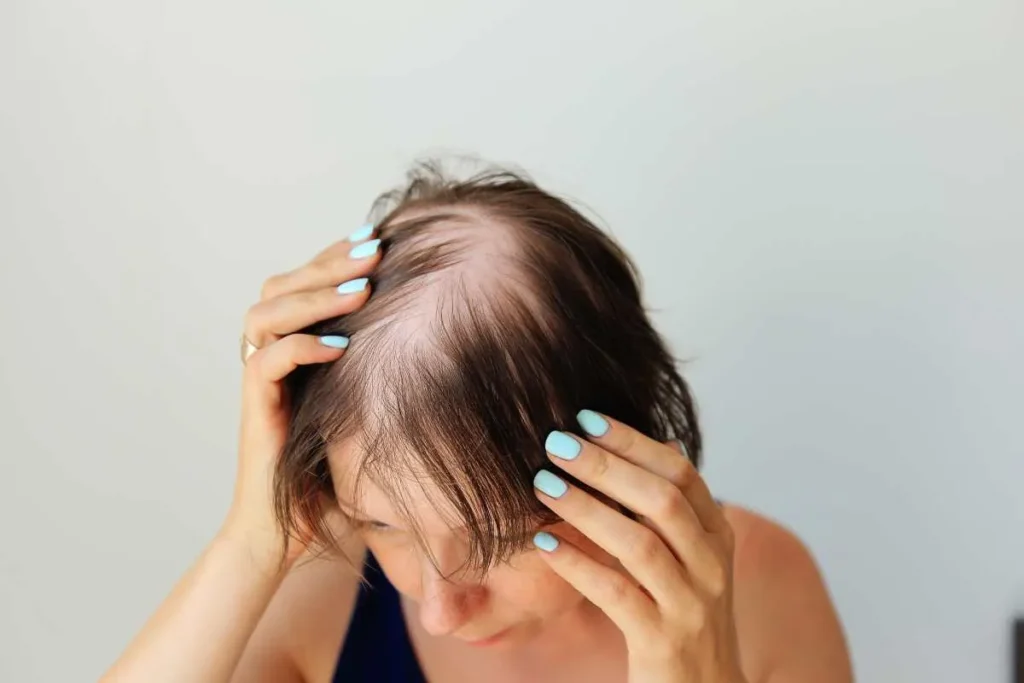
Vitamin D3 is key for healthy hair growth. Studies show it helps hair grow back and keeps it in the growth phase longer. This is important for hair follicles.
Does vitamin d3 help hair growth? Unlock the amazing truth and use powerful, incredible supplements to stop scary hair fall fast today.
The Vitamin D Receptor (VDR) starts the hair growth cycle. It also helps hair cells grow. Not having enough Vitamin D can cause hair loss. So, it’s vital to keep Vitamin D levels up for hair health.
At Gold City Hair, they check your nutrition to see how Vitamin D affects your hair. They focus on you and your hair’s needs.
Key Takeaways
Vitamin D3 is essential for healthy hair growth.
Active Vitamin D3 promotes hair regeneration and prolongs the anagen phase.
Vitamin D Receptor (VDR) regulates the hair growth cycle.
Vitamin D deficiency can lead to hair loss.
Maintaining adequate Vitamin D levels is vital for hair health.
The Science Behind Vitamin D3 and Hair Growth
Understanding Vitamin D3’s role in hair growth is key to fighting hair loss. It’s been found to help keep hair healthy and growing. Scientists are studying how it works.
How Vitamin D3 Affects Hair Follicles
Vitamin D3 helps hair follicles by controlling the hair growth cycle. It moves follicles from rest to growth, boosting hair growth. The impact of Vitamin D3 on hair follicles is significant, keeping them healthy.
The Vitamin D Receptor (VDR) and Hair Cycle Regulation
The Vitamin D Receptor (VDR) is vital for hair cycle control. It ensures hair follicles work right, and problems with it can cause hair loss. The VDR controls genes that help hair grow, affecting the cycle.
Biological Mechanisms of Vitamin D3 in Keratinocyte Proliferation
Vitamin D3 plays a part in keeping keratinocytes healthy, which is key for hair follicles. It works by adjusting growth and differentiation signals in these cells.
Does Vitamin D3 Help Hair Growth? Latest Research and Evidence
New studies show Vitamin D3 is key for healthy hair follicles and growth. Research is exploring how Vitamin D3 helps hair grow back and fights hair loss.
Recent Studies on Vitamin D3 and Hair Regeneration (2024-2025)
Studies from 2024 to 2025 have shed light on Vitamin D3’s role in hair growth. They found Vitamin D3 helps hair grow and makes it thicker and healthier. This makes Vitamin D3 a promising treatment for hair growth.
Key findings from recent studies include:
Vitamin D3 receptors are found in hair follicles, showing it directly affects hair growth.
Vitamin D3 deficiency is linked to hair loss types like androgenetic alopecia and alopecia areata.
Vitamin D Deficiency and Different Types of Hair Loss
Research shows Vitamin D levels are lower in people with certain hair loss types. This includes androgenetic alopecia, telogen effluvium, and alopecia areata. It suggests Vitamin D is vital for hair health.
The link between Vitamin D deficiency and hair loss is complex. It involves hormonal imbalances, autoimmune conditions, and nutritional deficiencies.
Clinical Trial Results and Efficacy Data
Clinical trials have tested Vitamin D3’s effect on hair growth. They found Vitamin D3 supplements improve hair density and reduce shedding in those with deficiency.
Efficacy data from clinical trials highlights the benefits of Vitamin D3 supplementation, including:
The latest research shows Vitamin D3 is essential for hair growth and preventing loss. Keeping Vitamin D levels up through supplements or sunlight may help those with hair loss.
Conclusion: Practical Applications of Vitamin D3 for Hair Health
Fixing Vitamin D deficiency can help hair follicles work better and might make hair grow more. People losing hair, and those with low Vitamin D, should think about taking Vitamin D3.
To keep hair healthy, it’s key to have enough Vitamin D. You can get it from supplements or sunlight. Eating well also helps. This combo can make hair grow and lower hair loss risk.
Before starting Vitamin D3, talk to a doctor. They can help you avoid too much Vitamin D, which isn’t good. Knowing how Vitamin D3 helps hair, you can keep your hair healthy and fight hair loss.
Vitamin D3 helps hair by making hair follicles work right. Studies show it’s good for hair health. So, yes, Vitamin D can help hair grow, mainly for those who don’t have enough.
FAQ
Does Vitamin D3 help promote hair growth?
Yes, Vitamin D3 supports hair follicle health and can promote hair growth, especially if hair loss is linked to a deficiency.
Can Vitamin D deficiency cause hair thinning or hair loss?
Yes, low Vitamin D levels can lead to thinning hair, increased shedding, and conditions like telogen effluvium or alopecia areata.
How does Vitamin D3 affect hair follicles?
Vitamin D3 helps activate hair follicle stem cells and regulates the hair growth cycle, supporting healthy hair production.
Is Vitamin D3 supplementation effective for hair growth?
Supplementation can be effective in restoring hair growth for those with a deficiency, though results may take several months.
Can excessive Vitamin D intake cause adverse effects?
Yes, too much Vitamin D can lead to toxicity, causing nausea, kidney problems, and high calcium levels.
How can I maintain healthy hair through Vitamin D3 supplementation?
Maintain adequate Vitamin D3 levels through supplements or sunlight exposure, combined with a balanced diet and good scalp care.
Does Vitamin D3 help with hair regrowth in individuals with alopecia?
Vitamin D3 may aid regrowth in deficiency-related alopecia, but it is not a guaranteed cure for autoimmune alopecia.
Can Vitamin D3 deficiency cause hair loss in women?
Yes, women with low Vitamin D3 levels may experience thinning hair or hair shedding, especially during hormonal changes or stress.
References
National Center for Biotechnology Information. Evidence-Based Medical Insight. Retrieved from https://pmc.ncbi.nlm.nih.gov/articles/PMC5387874/