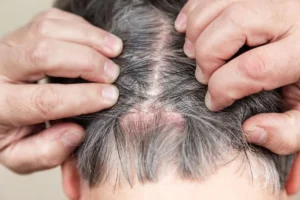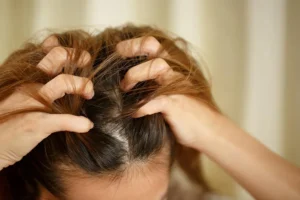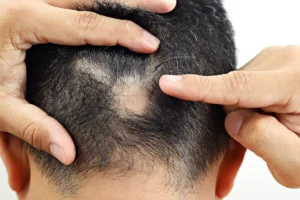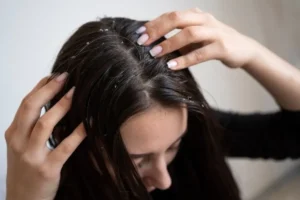
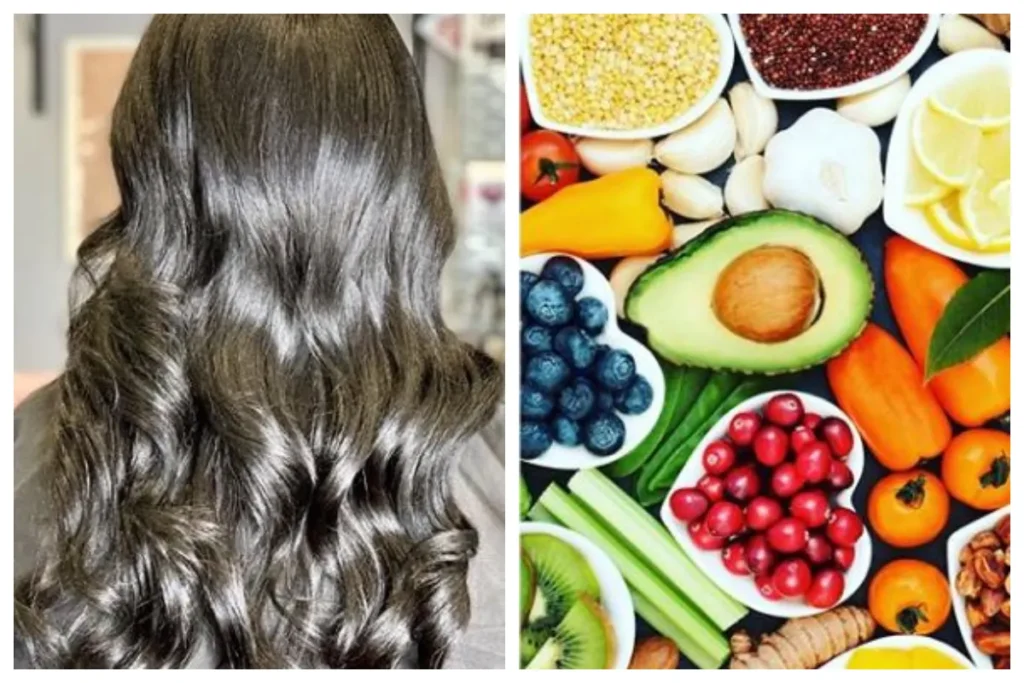
Achieving strong, healthy hair, skin, and nails starts with a balanced diet. This diet should be rich in essential nutrients. Biotin, a B vitamin, is known to be good for nail health. Protein, vitamin C, and zinc are also key for hair, skin, and nail strength.
Eggs are a great food for healthy hair because they are full of biotin and protein. Adding these foods to your diet can boost your beauty and health. A well-fed body helps keep your hair, skin, and nails looking their best.
Key Takeaways
Incorporate biotin-rich foods like eggs into your diet to promote healthy hair growth.
Maintain a balanced diet that includes essential nutrients like protein, vitamin C, and zinc.
Strengthen your nails with a diet rich in vitamins and minerals.
Enhance your overall beauty and well-being with nutrient-dense foods.
Support your hair, skin, and nail health with a complete nutrition plan.
Understanding the Nutrition Behind Healthy Hair, Skin, and Nails

Nutrition is key to keeping our hair, skin, and nails healthy. Eating a balanced diet with the right nutrients helps our hair grow, skin stay elastic, and nails strong.
The Role of Key Nutrients in Hair, Skin, and Nail Health
Biotin, protein, vitamin C, and zinc are vital for hair, skin, and nail health. For example, salmon is packed with omega-3 fatty acids. These fats are great for hair, making it look fuller and healthier.
Vitamin E fights off damage, and iron is essential for hair growth. Without these, you might see brittle nails or hair loss.
Signs of Nutritional Deficiencies in Your Hair, Skin, and Nails
Knowing the signs of nutritional gaps can guide your diet. For instance, brittle nails might mean you need more biotin or vitamin C. Hair loss could signal a lack of iron or zinc.
Eating a variety of whole foods helps keep your hair, skin, and nails healthy. Drinking plenty of water and avoiding processed foods with too much sugar and unhealthy fats is also key.
15 Best Foods and Essential Vitamins for Fingernail Health

Eating a balanced diet is key for healthy nails. The right foods can make your nails stronger and look better.
Biotin-Rich Foods for Stronger Nails
Biotin is a B-complex vitamin that’s important for nails. Research shows biotin supplements can help brittle nails. Eating biotin-rich foods can strengthen your nails.
Eggs: Eggs are full of biotin. Adding eggs to your meals can boost nail health.
Nuts and Seeds: Almonds, walnuts, and sunflower seeds are biotin-rich. They’re easy to add to your diet.
Protein-Packed Foods for Keratin Production
Keratin is a protein that nails need. Eating protein-rich foods can help make keratin. This leads to stronger nails.
Salmon: Salmon is high in protein and omega-3s. These nutrients are good for your nails.
Chicken: Chicken is also a great protein source. It supports nail health.
Vitamin C Sources for Collagen Synthesis
Vitamin C is key for making collagen. Collagen is important for strong nails. Eating foods rich in vitamin C can help.
Bell Peppers: Bell peppers are full of vitamin C. They’re easy to add to salads or stir-fries.
Strawberries: Strawberries are tasty and full of vitamin C. They’re a great snack for your nails.
Zinc-Containing Foods for Cell Growth
Zinc is a mineral that helps cells grow and repair. This includes nail cells. Eating zinc-rich foods supports nail health.
Oysters: Oysters are very rich in zinc. They’re great for nail health.
Pumpkin Seeds: Pumpkin seeds are also good for zinc. They make for a healthy snack.
Adding these foods to your diet can greatly improve your nail health. A balanced diet with the right nutrients makes a big difference.
Conclusion: Creating a Balanced Diet for Beautiful Hair, Skin, and Nails
A well-rounded diet is key for healthy hair, skin, and nails. Foods high in omega-3s, antioxidants, and vitamins are essential. They boost health and beauty.
Eating foods rich in biotin, protein, vitamin C, and zinc helps a lot. A diet full of whole foods gives the body what it needs for health.
Combining a good diet with a healthy lifestyle makes you look younger and more vibrant. Foods full of antioxidants and fatty acids are important. They keep skin elastic and hair strong.
The best diet for hair, skin, and nails is full of nutrients. Vitamins, minerals, and proteins are vital. Making smart food choices supports overall health and beauty.
FAQ
What are the essential nutrients for healthy hair, skin, and nails?
Protein, biotin (vitamin B7), iron, zinc, vitamin D, vitamin C, vitamin E, omega-3 fatty acids, and collagen-supporting nutrients are essential for strength, growth, and repair.
How can I promote healthy hair growth through my diet?
Eat enough protein (eggs, fish, beans), iron-rich foods (spinach, red meat), healthy fats (nuts, seeds), and vitamin D sources. Staying hydrated also supports scalp health.
What foods can help strengthen my nails?
Eggs (biotin), salmon (omega-3s), almonds (vitamin E), lentils (iron), leafy greens (folate), and citrus fruits (vitamin C) help reduce brittleness.
How can I identify nutritional deficiencies in my hair, skin, and nails?
Signs include hair shedding (iron or vitamin D deficiency), brittle nails (biotin or iron deficiency), dry skin (omega-3 deficiency), and slow wound healing (zinc deficiency). Blood tests confirm deficiencies.
What are some of the best foods for promoting healthy skin?
Fatty fish, avocados, walnuts, sweet potatoes (beta-carotene), berries (antioxidants), and green tea support skin elasticity and protection.
Can a balanced diet really make a difference in my hair, skin, and nail health?
Yes. Cells in hair, skin, and nails constantly regenerate, and proper nutrients directly impact their strength, thickness, glow, and resilience.
Are there any specific vitamins or supplements that can support hair, skin, and nail health?
Biotin, collagen peptides, iron (if deficient), zinc, omega-3 supplements, and vitamin D can help. Supplements work best when correcting an actual deficiency.
How long does it take to see improvements in hair, skin, and nail health after changing my diet?
Skin may improve in 4–6 weeks, nails in 2–3 months, and hair in 3–6 months, as hair growth cycles take longer to reflect changes.
References
National Institutes of Health. Evidence-Based Medical Insight. Retrieved from https://ods.od.nih.gov/factsheets/Biotin-HealthProfessional/