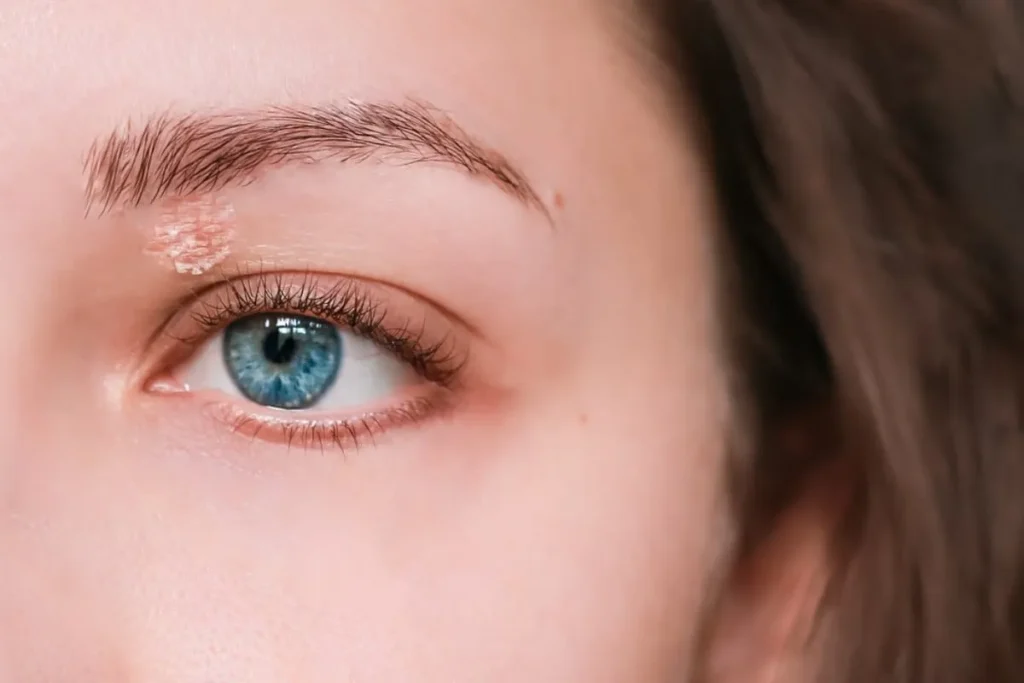
Flaky skin on the eyebrows can be embarrassing and frustrating. If you’re seeing white or yellowish flakes, redness, or scaling, you’re not alone.
Seborrheic dermatitis is a common skin condition that often causes eyebrow dandruff. Knowing the causes and treatments can help you feel better and have healthier skin.
By tackling the root cause, you can start on the path to a flake-free and irritation-free brow area.
Key Takeaways
Seborrheic dermatitis is a primary cause of eyebrow dandruff.
Flaky skin on the eyebrows can be a sign of an underlying skin condition.
Understanding the causes is key for effective treatment.
Targeted treatments can help alleviate symptoms and prevent future occurrences.
Regaining confidence starts with achieving healthier skin.
Understanding the Causes of Eyebrow Dandruff
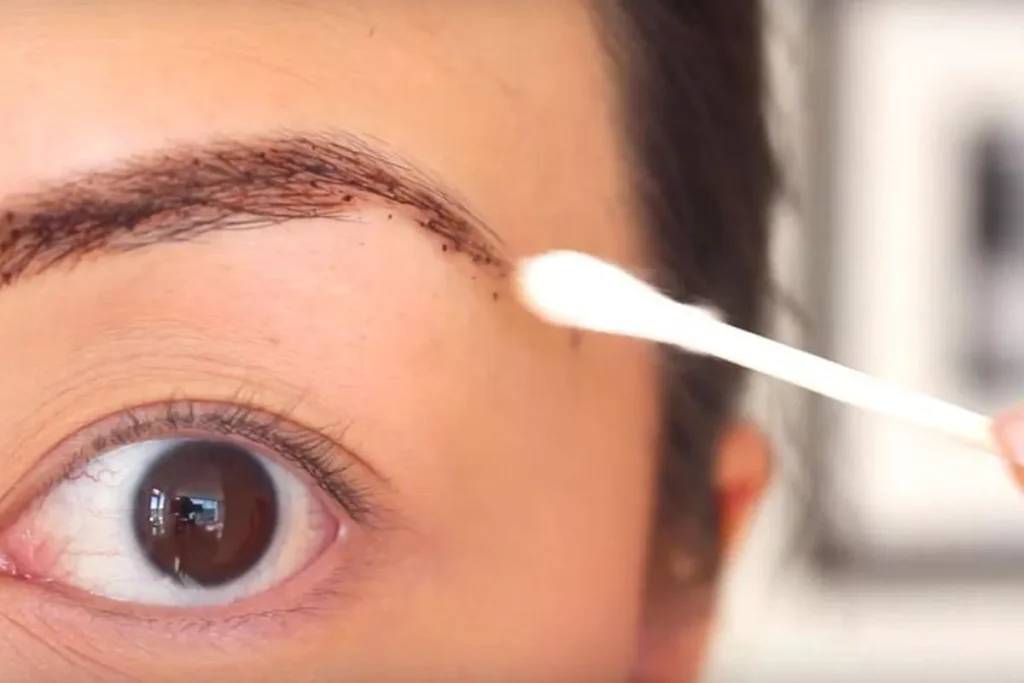
Eyebrow dandruff is flaky skin around your eyebrows. It can be caused by skin conditions and environmental factors. Knowing what causes it is key to treating it.
What Is Seborrheic Dermatitis?
Seborrheic dermatitis is a common skin issue. It makes skin red, itchy, and flaky. It often hits areas with lots of oil glands, like the eyebrows, scalp, and nose. Seborrheic dermatitis is a big reason for eyebrow dandruff, causing discomfort and beauty issues.
Research shows that seborrheic dermatitis is linked to an inflammatory reaction to Malassezia yeast. This yeast is found on the skin. To manage it, you need to reduce inflammation and control the yeast’s growth.
The Role of Malassezia Yeast
Malassezia yeast is a fungus that lives on human skin. But, in some, it grows too much and causes skin problems like seborrheic dermatitis. The overgrowth of Malassezia yeast is a main reason for eyebrow dandruff.
Things like hormonal changes, stress, and bad skin care can make Malassezia yeast grow too much. Knowing how this yeast works is important for finding good treatments.
Risk Factors and Triggers
Many things can lead to eyebrow dandruff. These include dry skin, contact dermatitis, and being more likely to get it. Dry skin, in particular, makes the condition worse, making skin flaky and irritated.
By knowing these causes and risk factors, you can find better ways to treat eyebrow dandruff.
Identifying and Treating Eyebrow Dandruff

Spotting the signs of eyebrow dandruff is key to picking the right treatment. Flaky eyebrows often point to a deeper issue that needs fixing.
Common Symptoms to Look For
Signs of eyebrow dandruff include flakes, redness, and itchiness around the eyebrows. Scaly skin on eyebrows can be really annoying, affecting both comfort and looks.
Other signs might be dry spots under the eyebrow and flaky skin around it. Catching these signs early can help manage the problem better.
Medical Treatment Options
Medical treatments for eyebrow dandruff vary from over-the-counter shampoos to stronger creams. These aim to cut down flaking, swelling, and itchiness.
If the problem is serious, seeing a dermatologist is a good idea. They can suggest the best treatments, like antifungal medications and corticosteroid creams.
Effective Home Remedies
Along with medical treatments, home remedies can also help with eyebrow dandruff. Keeping your skin care routine simple and using gentle products helps. Also, applying moisturizers can lessen flakiness and calm the skin.
Practicing gentle exfoliation and keeping the area clean can help a lot. Moisturizing is essential to avoid dryness and reduce flakes.
Conclusion: Prevention Strategies and When to See a Doctor
Getting back your confidence starts with tackling eyebrow dandruff. Knowing the causes, like seborrheic dermatitis and Malassezia yeast, is the first step. Keeping good skincare routines and using gentle products for dry eyebrows is key.
Prevention is important. Avoid harsh chemicals that can make dry skin worse. This helps keep your eyebrows healthy.
Using home remedies like gentle cleansing and soothing treatments can help. But, if your symptoms don’t get better or get worse, see a doctor. They can give you advice and treatment for conditions like eyebrow eczema.
Being proactive and knowing when to get medical help is important. This way, you can manage your condition well. With the right steps, you can have healthy, flake-free eyebrows and feel confident again.
FAQ
What is eyebrow dandruff?
Eyebrow dandruff, often referred to as seborrheic dermatitis, is a chronic skin condition that causes white or yellowish flakes and redness in the brow area. It occurs when the skin’s natural oil production and yeast levels become unbalanced, leading to inflammation and a rapid shedding of skin cells.
What causes dandruff in eyebrows?
The primary cause is an inflammatory reaction to Malassezia, a yeast-like fungus that lives on the oily surfaces of the skin. Other contributing factors include cold weather, high stress levels, certain oily skincare products, or underlying skin conditions like eczema and psoriasis.
How do you get rid of eyebrow dandruff?
You can clear the flakes by using over-the-counter medicated shampoos containing ketoconazole, selenium sulfide, or zinc pyrithione as a targeted wash for the brows. Applying a fragrance-free, hypoallergenic moisturizer or a very mild hydrocortisone cream can also help reduce the underlying redness and itching.
Can you get dandruff in your eyebrows?
Yes, it is very common to experience dandruff in the eyebrows because the area is rich in sebaceous glands that produce oil. Since dandruff is essentially a form of skin inflammation rather than a hair-specific issue, it can appear anywhere hair follicles and oil glands are concentrated.
How do you treat dry, flaky skin around the eyebrows?
Treatment involves a combination of gentle exfoliation with a soft washcloth to remove existing flakes and the application of a non-comedogenic moisturizer. If the flaking is persistent, switching to a gentle, pH-balanced cleanser and avoiding harsh facial scrubs or alcohol-based toners is often necessary.
What are the symptoms of eyebrow dandruff?
The most common symptoms include visible white or yellow flakes, persistent itching, and pink or red skin beneath the brow hair. In some cases, the skin may feel oily or “greasy” to the touch despite the presence of dry-looking flakes.
Are there any home remedies for eyebrow dandruff?
Natural remedies include applying a small amount of diluted tea tree oil for its antifungal properties or using aloe vera gel to soothe irritation. Coconut oil or squalane oil can also be used to soften the scales before washing, though they should be used sparingly to avoid clogging the pores.
When should you see a doctor for eyebrow dandruff?
You should consult a dermatologist if the flaking does not improve with medicated washes or if the area becomes painfully inflamed, crusty, or starts oozing. Additionally, if you notice significant hair loss in your eyebrows along with the dandruff, a professional evaluation is recommended to rule out other conditions.
Can eyebrow dandruff be prevented?
Prevention is possible by maintaining a consistent facial hygiene routine and avoiding heavy, oil-based makeup that can feed the fungus. Managing stress and keeping the skin hydrated during dry winter months are also effective strategies for keeping flare-ups under control.
Is eyebrow dandruff a sign of a serious condition?
In most instances, it is a minor and manageable skin issue that poses no threat to your overall health. However, it can sometimes be a localized symptom of broader inflammatory conditions, so persistent cases should be monitored for changes in skin texture or spread.
References
National Center for Biotechnology Information. Evidence-Based Medical Insight. Retrieved from https://pmc.ncbi.nlm.nih.gov/articles/PMC3579488/[5