Seeing unwanted hair on your face can worry you, but you’re not alone. About 40% of women grow facial hair, making it a common topic with doctors.
At gold city hair, we know facial hair is natural but can impact how you feel. This guide will help you know what’s normal and when it might be a sign of something more.
Key Takeaways
Facial hair in women is more common than you think.
Understanding normal facial hair growth can alleviate concerns.
Excessive hair growth may indicate an underlying health issue.
Consulting a healthcare provider is key for personalized advice.
Many treatments are available for unwanted facial hair.
Understanding Female Facial Hair

Facial hair in women is a natural part of life. It’s shaped by genetics, hormones, and ethnicity. It’s not just for men.
Prevalence and Statistics
Many women have facial hair. Studies show 20% to 40% have noticeable hair. The numbers change in different groups.
Facial hair prevalence in women:
Common Types and Locations
Women’s facial hair comes in many forms and places. You might find it on the upper lip, chin, or sideburns. The hair can be fine and light or coarse and dark.
Common locations for facial hair:
Upper lip
Chin
Sideburns
Knowing how facial hair grows is key. Hormonal imbalances can change its growth and thickness.
Understanding normal facial hair helps women know when it’s not. This way, they can get advice if needed.
Factors Affecting Female Facial Hair
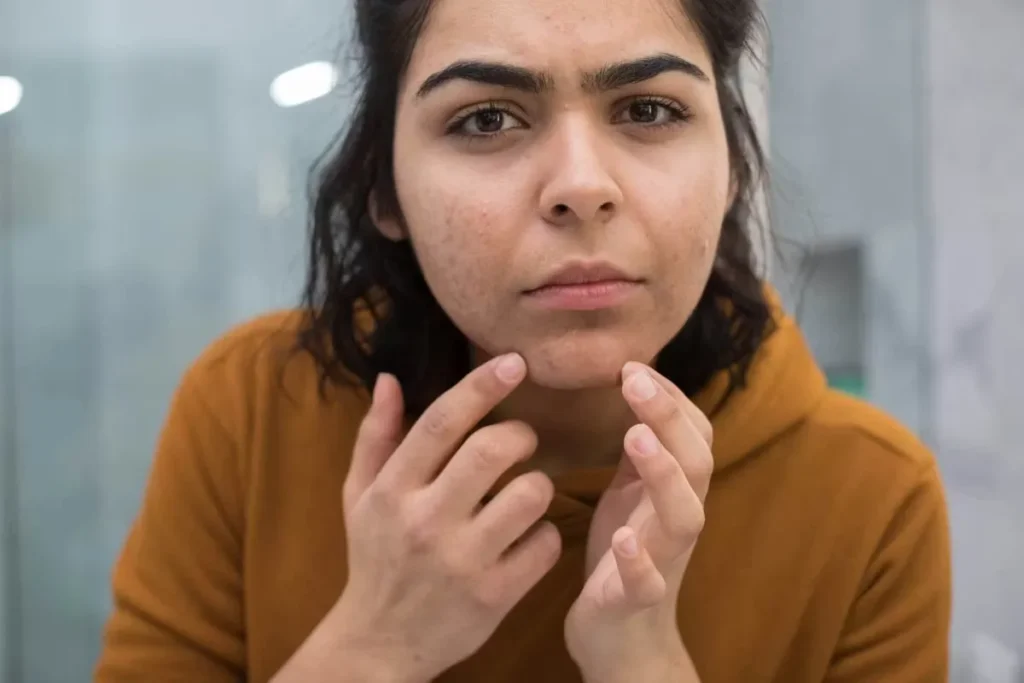
Facial hair in women comes from a mix of genetics, hormones, and ethnicity. Knowing these factors helps figure out if facial hair is normal or if there’s an issue.
Genetic Influences
Genetics are a big deal in facial hair growth for women. Genetic predisposition affects how hair follicles react to hormones. This, in turn, changes hair growth. Women with a family history of thick facial hair are more likely to have it too.
Hormonal Factors
Hormonal imbalances, like too many androgens, can make facial hair grow more in women. Conditions like polycystic ovary syndrome (PCOS) cause hormonal imbalances. This leads to hirsutism, or too much hair on the face and body.
Hormonal changes during menopause or other endocrine disorders can also impact facial hair. Women with sudden or excessive hair growth should see a doctor. This helps check for any hormonal problems.
Ethnic and Racial Variations
Ethnic and racial background also plays a role in facial hair growth. Women from Mediterranean, Middle Eastern, or South Asian backgrounds often have darker, thicker hair. This is different from women from other ethnicities.
It’s important to understand these differences. This way, we can see what’s normal for each person based on their background. Facial hair in women varies widely, and what’s normal can differ greatly.
Assessing Normal vs. Excessive Female Facial Hair
It’s important to know the difference between normal and too much facial hair in women. Some hair is okay, but too much might mean there’s a health issue. You might need to see a doctor.
The Ferriman-Gallwey Scoring System
The Ferriman-Gallwey scoring system helps figure out hirsutism in women. It looks at hair growth in nine areas of the body. Each area gets a score from 0 to 4.
The total score can be from 0 to 36. A higher score means more severe hirsutism.
A score of 8 or higher means you might have hirsutism. But, this system is mainly for doctors. It’s not something every woman gets checked for.
When to Consult a Healthcare Provider
If you’re worried about your facial hair, see a doctor if you notice:
Sudden or quick increase in facial hair
Hair growing in places like the chin or upper lip
Other signs like acne, balding, or irregular periods
A doctor can tell if your hair is a sign of something bigger, like PCOS. They can suggest the right treatment.
Common Management Approaches
For women with too much facial hair, there are a few ways to manage it:
Hormonal treatments: To fix hormonal imbalances that cause too much hair.
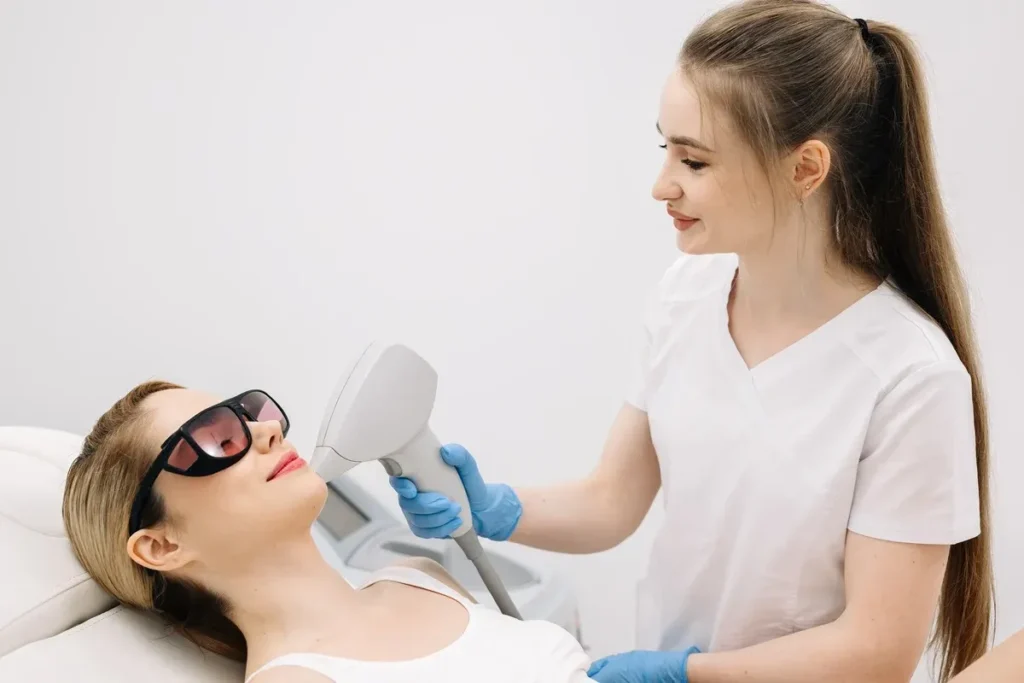
Hair removal methods: Like waxing, threading, or laser hair removal. These can give temporary or lasting results.
Medications: Some meds can slow down hair growth over time.
Talking to a doctor is key to finding the best solution for you.
Conclusion
Knowing if women facial hair is normal is key for their health. Facial hair on women is more common than many think. It can be influenced by genetics, hormones, and ethnic background.
Women should know about normal facial hair variations. They should also know when it might signal a health issue. The Ferriman-Gallwey Scoring System helps assess facial hair. It tells if it’s normal or if a doctor’s visit is needed.
Do women have hair on their face? Yes, they do, and it’s normal. The amount and thickness can differ a lot. By understanding this, women can manage their facial hair better. They can also get advice when needed.
FAQ
Normality of Facial Hair in Women
It is entirely normal and natural for all women to have some amount of facial hair, which typically consists of fine, light-colored “peach fuzz” known as vellus hair. Many women also naturally develop a few stray terminal hairs on the chin or upper lip due to genetics or minor hormonal fluctuations, which is generally not a medical concern.
Normal Amount of Hair
The amount of facial hair considered “normal” varies significantly based on an individual’s ethnic background and genetic makeup. While some women have barely visible hair, others may naturally have darker or more noticeable hair on the upper lip or sideburns without having an underlying health condition or hormonal imbalance.
Causes of Excessive Growth
Excessive facial hair, or hirsutism, is most commonly caused by an overproduction of androgens or an increased sensitivity of hair follicles to these male-pattern hormones. The most frequent medical trigger is Polycystic Ovary Syndrome (PCOS), followed by adrenal gland disorders, certain medications, or the hormonal shifts that occur during menopause.
Women and Mustaches
Many women have hair on their upper lip that can range from fine and blonde to dark and coarse, effectively forming what some might call a mustache. This is a very common physical trait and can be managed through various grooming techniques if the individual prefers a smoother look for aesthetic reasons.
Diagnosing Excessive Hair
Excessive facial hair is diagnosed through a physical evaluation, often using the Ferriman-Gallwey scale to quantify the density and location of the hair growth. To find the underlying cause, doctors typically order blood tests to measure levels of testosterone and other hormones, along with ultrasounds to check for ovarian cysts.
Treatment Options
Treatment options include medical interventions like birth control pills or anti-androgens to regulate hormone levels, and topical creams like eflornithine to slow hair regrowth. For permanent or long-term removal, procedural treatments like laser hair removal or electrolysis are highly effective at destroying the hair follicles.
Upper Lip Hair Normality
Having hair on the upper lip is a standard human characteristic, and almost every woman has at least some vellus hair in this area. Whether the hair is dark enough to be noticeable is largely determined by heritage, as women of Mediterranean, Middle Eastern, or South Asian descent often naturally have more prominent upper lip hair.
Variability Among Women
Women have different amounts of facial hair primarily due to their unique genetic blueprints and how their specific hair follicles react to normal levels of circulating hormones. Differences in insulin sensitivity and the rate at which the body processes androgens also play a major role in why one woman may have more terminal facial hair than another.
References
National Center for Biotechnology Information. Evidence-Based Medical Insight. Retrieved from https://pubmed.ncbi.nlm.nih.gov/12738163/