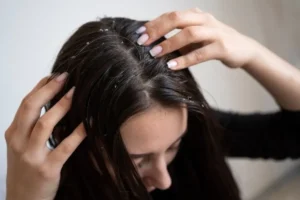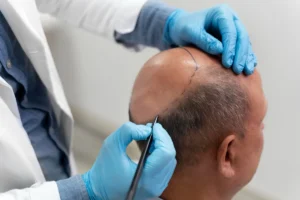

Knowing what your hair is like is key to taking good care of it. Philip Kingsley, a famous hair expert, says the size of each hair strand defines fine hair. This is different from thinning hair, which is about how many hairs you have.
Fine hair is very delicate and needs special care. It’s important to know the difference between fine and thin hair to choose the right hair care. At gold city hair, we understand that everyone’s hair and scalp are different.
Hairs that are less than 0.03 mm in diameter are fine. Knowing this helps pick the right products and haircuts. It also helps keep your hair looking good and healthy.
Key Takeaways
Fine hair is defined by the diameter of individual strands.
It’s distinct from thinning hair, which refers to hair density.
Fine hair requires specialized care due to its delicate structure.
Understanding fine hair characteristics is key for proper care and styling.
Personalized hair health and scalp care are essential for fine hair.
The Fine Hair Meaning: Detailed Definition
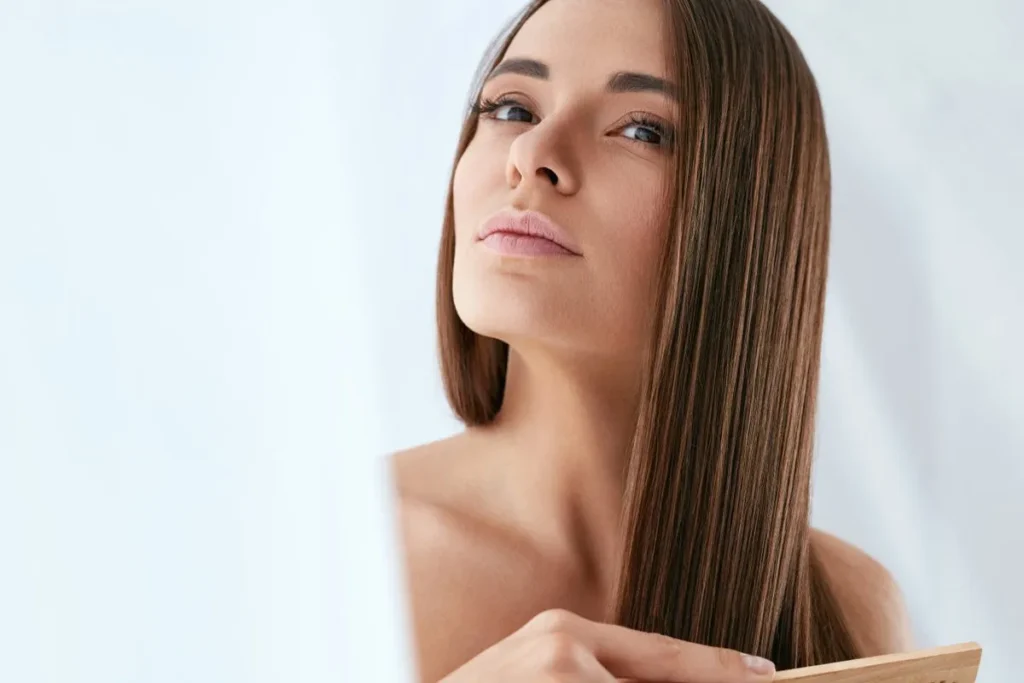
The term ‘fine hair’ refers to the diameter of the hair strand, not its density. Knowing this is key for good hair care.
Fine hair is very thin, measuring less than 0.03 mm. This size affects how hair looks and acts with different styles and care.
Scientific Measurement of Hair Diameter
To know if hair is fine, you must measure its diameter. Philip Kingsley says hair diameter is key in classifying hair. Special tools are used to measure the thickness of a single hair strand.
The table shows fine hair’s unique diameter. This size is important for hair care.
Simple Tests to Identify Fine Hair
Not everyone can measure hair diameter. But, there are easy ways to tell if hair is fine. Rubbing a hair strand between your fingers can help. Fine hair feels smoother and less thick than thicker hair.
Another way is to see how your hair acts. Fine hair gets oily fast and looks limp, often at the roots. It also breaks easily from heat and chemicals.
Knowing about fine hair helps tailor hair care. Whether by measuring or simple tests, identifying fine hair is the first step to better hair.
Fine Hair vs. Thin Hair: Understanding the Distinction

It’s important to know the difference between fine hair and thin hair for good hair care. Many people think these terms mean the same thing, but they don’t. They talk about different things about your hair.
Fine hair is about how thick each hair strand is. Thin hair is about how many hair strands you have on your scalp. Experts like Davines and Philip Kingsley say it’s key to pick the right hair care products and methods.
Individual Strand Thickness vs. Overall Hair Density
The thickness of each hair strand tells you if your hair is fine, medium, or coarse. Fine hair is thinner and can get damaged easily. It needs gentle care.
Hair density is about how many hair strands grow from your scalp. Thin hair means fewer hair strands, no matter their thickness.
Key differences include:
Fine hair can be dense or thin, just like coarse hair.
Thin hair can have fine or coarse strands.
Hair care routines should be tailored to both the texture and density of your hair.
Common Combinations and Misconceptions
Many people have a mix of hair characteristics, like fine but dense hair or thin but coarse hair. Knowing these mixes helps you meet your hair’s specific needs.
For example, having fine hair doesn’t mean you have thin hair. You might have fine hair that’s dense. This means you need products that add volume without weighing your hair down.
Common misconceptions include:
Assuming fine hair is always thin and limp.
Believing that thin hair can’t be styled voluminously.
Thinking that coarse hair can’t be fine or thin.
Knowing the difference between fine and thin hair helps you make better hair care choices. This knowledge lets you pick products and methods that make your hair look its best.
Get your confidence back with the right hair care. By understanding your hair’s unique traits, you can get the look you want.
Physical Structure and Characteristics of Fine Hair
Fine hair’s physical structure and characteristics greatly affect its look and how easy it is to manage. It has a delicate texture and specific features that set it apart from other hair types.
Anatomical Composition
Fine hair has a smaller hair shaft diameter than thicker hair. Studies show that fine hair often doesn’t have a medulla layer. This innermost layer is important for strength and elasticity. Also, fine hair has fewer cuticle layers, making it more likely to break and get damaged.
Key Features of Fine Hair’s Anatomical Composition:
Narrower hair shaft diameter
Often lacks a medulla layer
Fewer cuticle layers
Tactile Properties
Fine hair feels soft and silky. Its small diameter makes it light and delicate. But, it can also get oily and limp easily because oils can move quickly along the hair shaft.
To keep fine hair healthy and looking good, use gentle care products and techniques. Knowing fine hair’s unique traits helps find the right hair care routine. This enhances its natural beauty and makes it easier to manage.
Conclusion: Living With and Embracing Fine Hair
Getting to know the fine hair meaning is key to loving your hair type. Fine hair is thin and delicate, needing special care to look its best. Knowing the difference between fine and thin hair helps you manage it better.
Embracing fine hair means understanding its special needs. Use gentle products, avoid too much heat styling, and choose styles that make your hair look fuller. For those with hair type fine, finding the right balance is important for healthy, shiny hair.
Understanding what is considered fine hair helps you feel more confident about your look. With the right care, fine hair can be stunning and strong. This makes it easier to get the hairstyle you want.
FAQ
What is fine hair, and how is it different from thin hair?
Fine hair refers specifically to the diameter of individual hair strands, meaning the actual width of each hair is small and the texture feels silky or soft. In contrast, thin hair refers to hair density, which is the total number of hairs on your scalp; you can have a high number of follicles (dense hair) even if the individual strands are fine.
How can I determine if I have fine hair?
A common diagnostic is the strand test: take a single hair and rub it between your thumb and index finger; if you can barely feel it, your hair is fine. You can also compare a strand to a piece of sewing thread; if your hair is significantly narrower than the thread, it is categorized as fine rather than medium or coarse.
What are the characteristics of fine hair?
Fine hair is typically silky, lightweight, and smooth, but it often lacks the structural volume found in thicker strands, making it appear flat or limp shortly after washing. Because the surface area is smaller, scalp oils can travel down the hair shaft more quickly, which often results in the hair looking greasy faster than other hair types.
Can I have fine hair that is also dense?
Yes, it is very common to have fine hair that is also dense, a combination often described by stylists as having “a lot of hair, but it’s very fine.” This means your scalp has many hair follicles per square inch, but because each individual strand is narrow, the overall ponytail might still feel smaller than someone with coarse hair.
How do I care for fine hair?
The best approach involves using lightweight, volumizing products that provide body without adding heavy waxes or oils that weigh the hair down. You should focus conditioner only on the mid-lengths and ends to avoid a greasy scalp and use a wide-tooth comb to detangle gently, as fine strands are more prone to snapping.
Is fine hair more prone to damage?
Fine hair is significantly more susceptible to mechanical and heat damage because it lacks the thick outer cuticle layers found in coarser hair. It breaks more easily under the tension of tight hairstyles and is more vulnerable to high temperatures from styling tools, making the daily use of a heat protectant essential.
Can curly hair be fine?
Absolutely; hair shape (curly, wavy, or straight) is a completely separate trait from hair texture (fine, medium, or coarse). Fine curly hair can be difficult to style because it requires moisture to define the curls, yet traditional heavy curl creams often make the fine strands look stringy or flat.
How does fine hair respond to hair restoration treatments?
Fine hair typically responds well to medical treatments like minoxidil or finasteride, which can help increase the diameter of the hair shaft over time. In hair transplants, surgeons in 2026 use AI-powered planning and Sapphire FUE to ensure fine hairs are placed with high precision, as they require careful handling to provide natural-looking coverage.
References
National Center for Biotechnology Information. Evidence-Based Medical Insight. Retrieved from https://www.ncbi.nlm.nih.gov/pmc/articles/PMC2938575/