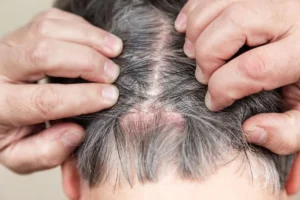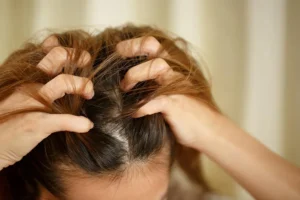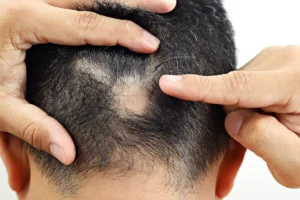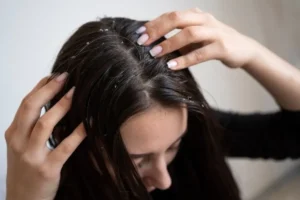
Ever wondered what happens when you pull out a strand of hair from its root? Knowing the process can calm your worries and help you care for your scalp better. When hair is pulled out, people often think the end is the follicle. But, it’s actually the hair bulb, a part of the hair shaft itself.
Had a hair bulb pulled out? Learn 5 scary facts about follicle damage and discover amazing ways to ensure your hair grows back healthy and fast.
The real follicle is a permanent part of the skin and can’t be pulled out. Experts say that when the bulb is pulled, the follicle might get hurt but usually stays in place. But, pulling hair out a lot can weaken the follicle. This might make hair grow back shorter or thinner.
Feeling good about your scalp starts with knowing these facts. At Gold City Hair, dermatologists use proven methods to tackle hair loss. They mix their clinical knowledge with new techniques.
Key Takeaways
The hair bulb, not the follicle, is visible when hair is pulled out from the root.
The follicle remains intact but may be disturbed during the process.
Repeated pulling can potentially damage the follicle structure.
Understanding the process can help ease concerns about hair regrowth.
Expert consultation can provide personalized solutions for scalp health.
Understanding the Hair Bulb Pulled Out Phenomenon
Seeing the hair bulb attached to pulled-out hair can be scary. It makes us wonder about hair structure and what it means.
The Difference Between Hair Bulb and Follicle
The hair bulb and follicle are often mixed up, but they’re not the same. The hair bulb is where hair starts to grow. It has the dermal papilla, key for hair growth.
The hair follicle is the tube where hair grows. It’s deeper in the skin, protecting the hair as it grows.
Knowing the difference is key to understanding hair pulling. Research from Queen Mary University of London shows hair growth is complex. It involves cells moving up in the follicle’s outer root sheath. This transparent process shows how hair grows.
What You Actually See When Hair Is Extracted
When hair is pulled out, you see the shaft with the bulb at the base. The bulb looks like a white, rounded shape. It’s part of the shaft, not the follicle.
The follicle stays in the skin, ready for new hair. Seeing the bulb can be scary, but it’s natural.
Understanding hair health means knowing about the bulb and follicle. This helps you see the transparent process of hair growth and regeneration.
The Hair Regrowth Process After Extraction
Several factors influence hair regrowth after it’s pulled out. When hair is removed from the root, the follicle stays intact. This is a good sign for hair to grow back. Dream hair is now reality for many who know about hair regrowth.
Regeneration of New Hair by Follicles
Hair follicles can grow new hair. After a hair is pulled out, the follicle rests before starting a new hair. This is part of the natural hair cycle.
Regain your confidence knowing hair usually grows back in two to three months. This is if the follicle isn’t scarred or damaged.
The Science Behind Hair Growth Mechanisms
Hair growth is complex, involving many cells in the follicle. The growth phase, anagen, can last years. Then, there’s a short transitional phase (catagen) and a resting phase (telogen) before the hair falls out or is pulled.
Knowing the science behind hair growth shows how strong follicles are. They can grow hair again.
Factors Affecting the Regrowth Timeline
Several things can change how fast hair grows back. These include:
Age: Older people might see slower growth.
Health status: Good health and nutrition help hair grow.
Hair type: The thickness and growth rate of hair can affect how fast it grows back.
By knowing these factors and living a healthy life, you can help your hair grow back naturally.
Conclusion: Long-Term Effects of Pulling Hair From the Root
Pulling hair from the root can harm your hair’s health over time. When a hair follicle is pulled out, it can cause trauma. This might lead to traction alopecia if it happens often. It’s important to know the risks to keep your scalp healthy.
If your hair gets pulled out, it usually grows back. But, doing it too much can damage your hair. To avoid this, use gentle hair care and don’t pull your hair too much.
Getting confident about your hair starts with knowing what it needs. Choose care that fits you and use modern methods. This way, you can work towards your hair goals. You’ll have a fuller, healthier head of hair.
For the best results, talk to a hair restoration expert. They can give you advice and treatment options that fit you. This way, you can start your hair journey with confidence, knowing you’re in good hands.
FAQ
What happens when you pull out a hair from the root?
Pulling a hair from the root removes the entire strand along with its hair bulb, which temporarily leaves the follicle empty. This can cause slight irritation or redness in the scalp.
Will my hair grow back if it’s pulled out from the root?
Yes, as long as the hair follicle is intact, the hair will usually grow back over time, though repeated trauma can weaken the follicle.
Can you pull out a hair follicle?
The follicle itself is embedded in the scalp and cannot be fully removed by hand. Pulling a hair only removes the strand and bulb, leaving the follicle in place.
What is the difference between the hair bulb and the follicle?
The hair bulb is the rounded structure at the base of the hair that contains actively dividing cells responsible for hair growth. The follicle is the surrounding sheath in the scalp that supports and nourishes the hair bulb.
Does pulling hair out from the root cause permanent damage?
Occasional hair pulling usually does not cause permanent damage, but chronic or forceful pulling can lead to follicle damage, scarring, or permanent hair loss (a condition called traction alopecia).
How long does it take for hair to grow back after being pulled out?
Hair regrowth typically takes 2–6 weeks, depending on individual growth rates, health, and hair type.
Can hair loss be caused by pulling hair out from the root?
Yes, frequent or aggressive pulling can lead to permanent hair loss, especially if it damages the follicle or scalp tissue.
Is it possible to prevent hair from being pulled out?
Prevention includes avoiding mechanical stress, gentle styling, using protective hairstyles, and addressing habits like trichotillomania to reduce unnecessary pulling.
References
National Center for Biotechnology Information. Evidence-Based Medical Insight. Retrieved from https://www.ncbi.nlm.nih.gov/books/NBK470321/