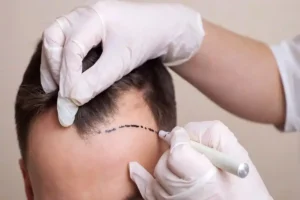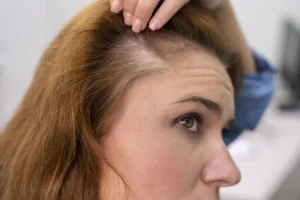
When you search for a hair doctor name, you are looking for a professional who can diagnose and treat hair loss, thinning, and related scalp conditions. Understanding the titles, qualifications, and specialties of these clinicians helps you make an informed decision and achieve the confidence that comes with a fuller head of hair. In fact, more than 30 % of men and women experience noticeable hair loss by age 35, making the right specialist essential for effective treatment.
This article explains the various designations you may encounter—such as dermatologist, trichologist, or hair restoration surgeon—what each professional can offer, and how to evaluate their expertise. We’ll also explore common conditions like alopecia, discuss treatment options ranging from medication to surgical transplants, and provide practical tips for selecting the best provider for your unique needs.
By the end of this guide, you’ll be equipped to interpret a hair doctor name on a clinic’s website, understand the scope of services they provide, and feel confident in scheduling a consultation that aligns with your hair restoration goals.
What Is a Hair Doctor? Titles and Qualifications
The term hair doctor name can refer to several types of medical professionals, each with distinct training and focus areas. Below is a quick overview of the most common titles you may encounter:
- Dermatologist: A medical doctor (MD) or doctor of osteopathic medicine (DO) who specializes in skin, hair, and nail disorders. Dermatologists complete a 4‑year residency after medical school and are qualified to perform both medical and surgical hair treatments.
- Trichologist: A specialist in trichology, the scientific study of hair and scalp health. Trichologists often hold certifications from recognized trichology institutes but may not have a medical degree.
- Hair Restoration Surgeon: A surgeon, frequently a dermatologist or plastic surgeon, who performs hair transplant procedures such as FUE (Follicular Unit Extraction) and DHI (Direct Hair Implantation).
- Hair Loss Specialist: A broader term that can include dermatologists, trichologists, or even endocrinologists who focus on hormonal causes of hair loss.
When reviewing a clinic’s staff list, look for credentials like “Board‑Certified Dermatologist,” “FUE‑Certified Surgeon,” or “Certified Trichologist.” These designations assure you that the professional has met rigorous training standards.
Below is a comparison table highlighting the typical education paths and treatment scopes for each type of hair doctor.
| Title | Education & Certification | Typical Treatments |
|---|---|---|
| Dermatologist | MD/DO + 4‑year dermatology residency; board‑certified | Topical/ oral medications, PRP, laser therapy, surgical transplants |
| Trichologist | Certificate from accredited trichology institute; no medical degree required | Scalp analysis, nutritional counseling, non‑surgical therapies |
| Hair Restoration Surgeon | MD/DO + surgical residency; specialized training in FUE/DHI | FUE, DHI, eyebrow/beard transplants, scar revision |
| Hair Loss Specialist | Varies (dermatology, endocrinology, trichology) | Hormonal assessments, systemic treatments, combined approaches |

Common Conditions Treated by Hair Doctors
Hair doctors address a wide spectrum of disorders, each requiring a specific diagnostic approach. Understanding these conditions helps you recognize which specialist can best manage your case.
- Alopecia Areata: An autoimmune condition causing patchy hair loss. Dermatologists often prescribe topical steroids or immunotherapy.
- Androgenetic Alopecia: The most common form of hereditary baldness in men and women. Treatments include finasteride, minoxidil, PRP, and surgical transplantation.
- Telogen Effluvium: Temporary shedding triggered by stress, illness, or medication. Trichologists focus on lifestyle adjustments and scalp health.
- Scarring Alopecia: Hair loss due to inflammation that destroys follicles. Requires early intervention by a dermatologist to prevent permanent loss.
- Hair Thinning from Dandruff or Seborrheic Dermatitis: Managed by dermatologists using medicated shampoos and anti‑inflammatory agents.
Accurate diagnosis often starts with a detailed medical history, scalp examination, and sometimes a biopsy. Advanced tools like dermoscopy and trichoscopy allow doctors to visualize follicle health at high magnification, improving diagnostic precision.
For patients seeking surgical solutions, the hair doctor name associated with a clinic’s transplant team is crucial. Surgeons with extensive FUE or DHI experience can achieve higher graft survival rates and natural‑looking results.
How to Choose the Right Hair Doctor for Your Needs
Selecting the appropriate professional begins with matching your specific hair concern to the doctor’s expertise. Follow these steps to ensure you pick the best hair doctor name for your situation:
- Identify Your Primary Issue: Is it pattern baldness, sudden shedding, or a scalp condition? Different specialists excel in different areas.
- Verify Credentials: Look for board certification, specialized training in hair restoration, and membership in societies such as the International Society of Hair Restoration Surgery (ISHRS).
- Review Before‑and‑After Cases: Reputable clinics showcase real patient results with consistent lighting and measurable outcomes.
- Ask About Diagnostic Tools: A thorough evaluation should include trichoscopy, blood work, and possibly a scalp biopsy.
- Discuss Treatment Options: The doctor should explain medical, non‑surgical, and surgical paths, including risks, costs, and expected timelines.
- Consider Communication Style: Transparent, empathetic communication builds trust and improves adherence to treatment plans.
When you encounter a clinic listing a hair doctor name, cross‑check the professional’s publications, patient testimonials, and any affiliations with research institutions. A doctor who stays current with emerging therapies—such as low‑level laser therapy or stem‑cell‑enhanced transplants—demonstrates a commitment to cutting‑edge care.
Finally, evaluate the clinic’s overall environment. Facilities that prioritize hygiene, privacy, and a comfortable setting contribute to a positive experience throughout the treatment journey.
Procedures Offered by Hair Specialists: From Diagnosis to Transplant
Hair doctors provide a continuum of services, beginning with diagnosis and extending to advanced surgical interventions. Below is an overview of the most common procedures you may encounter.
- Medical Therapy: Prescription medications such as finasteride, dutasteride, and topical minoxidil are first‑line treatments for androgenetic alopecia.
- Platelet‑Rich Plasma (PRP): A non‑surgical injection of concentrated platelets to stimulate follicle growth. Often performed by dermatologists and hair surgeons.
- Low‑Level Laser Therapy (LLLT): Red light devices that enhance cellular metabolism in hair follicles. Available as in‑clinic caps or home‑use helmets.
- Follicular Unit Extraction (FUE): A minimally invasive transplant where individual follicles are harvested and implanted. Requires a surgeon with precise microsurgical skill.
- Direct Hair Implantation (DHI): Similar to FUE but uses a specialized pen for immediate implantation, reducing graft handling time.
- Eyebrow and Beard Transplants: Specialized extensions of FUE/DHI techniques to restore facial hair.
- Scalp Micropigmentation: Cosmetic tattooing that mimics the appearance of hair follicles, often used as an adjunct to surgical methods.
Each procedure has specific indications, recovery timelines, and success rates. For example, FUE typically yields a 90‑95 % graft survival rate when performed by an experienced surgeon, while PRP may require multiple sessions over several months to see noticeable thickening.
When reviewing a hair doctor name on a clinic’s team page, note the range of services they personally perform. Some doctors focus exclusively on medical management, while others combine medical and surgical expertise, offering a seamless, integrated treatment plan.
Understanding Consultation Process and Follow‑Up Care
A thorough consultation is the cornerstone of successful hair restoration. During this visit, the hair doctor name you meet will gather essential information to craft a personalized plan.
Initial Assessment
The doctor begins with a detailed questionnaire covering medical history, family patterns of hair loss, medication use, and lifestyle factors. This is followed by a physical scalp examination, often enhanced with a dermoscope to assess follicle density and health.
Diagnostic Testing
Depending on the suspected cause, the doctor may order blood tests to evaluate hormone levels, iron deficiency, thyroid function, or autoimmune markers. In rare cases, a scalp biopsy is performed to rule out scarring alopecia.
Treatment Planning
Based on findings, the doctor outlines a step‑by‑step roadmap, which may include:
- Topical or oral medications
- PRP or laser therapy schedules
- Pre‑operative preparation for transplant
- Post‑operative care instructions and follow‑up appointments
Long‑Term Follow‑Up
Hair restoration is a progressive journey. Regular follow‑up visits allow the doctor to monitor graft survival, adjust medication dosages, and address any side effects. Many clinics schedule check‑ins at 1 month, 3 months, 6 months, and annually thereafter.
Choosing a practitioner whose hair doctor name reflects a commitment to ongoing care ensures you receive support throughout each phase of your hair restoration experience.
Why Choose Gold City Hair
Gold City Hair has been delivering personalized hair restoration solutions in Turkey since 2017. Our team combines board‑certified dermatologists, experienced trichologists, and skilled FUE/DHI surgeons to provide a full spectrum of treatments—from medical therapy to advanced transplant techniques. We prioritize transparent communication, thorough diagnostics, and natural‑looking results, helping patients regain confidence and a youthful appearance.
Ready to start your hair restoration journey? Contact Gold City Hair today to schedule a comprehensive consultation with our expert team. Take the first step toward a fuller, healthier head of hair—your confidence awaits.
FAQ
What does a hair doctor name indicate?
A hair doctor name signals the professional’s specialty, such as dermatologist, trichologist, or hair restoration surgeon, and hints at their training and services.
How can I verify a hair doctor’s credentials?
Check for board certification, specialized training, and affiliations with reputable societies such as ISHRS.
What are the most common conditions treated by hair doctors?
Hair doctors treat alopecia areata, androgenetic alopecia, telogen effluvium, scarring alopecia, and hair thinning caused by dandruff or seborrheic dermatitis.
What factors should I consider when choosing a hair doctor?
Match your hair issue to the doctor’s expertise, verify credentials, review case studies, and assess communication style and clinic environment.
What are the main hair restoration procedures offered by specialists?
Procedures include medical therapy, PRP injections, low‑level laser therapy, FUE, DHI, eyebrow/beard transplants, and scalp micropigmentation.