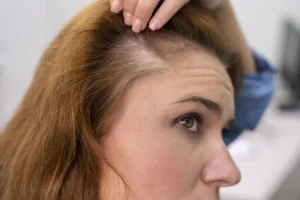
Hair fall medication is often the first line of defense for people noticing thinning strands or receding hairlines. In this guide we explore the most common drugs, how they act on the scalp, what side effects to expect, and when it might be time to look beyond medication toward surgical restoration. According to recent studies, up to 40 % of men and 30 % of women experience noticeable hair loss by age 35, making early intervention crucial for preserving confidence and natural appearance.
We’ll walk you through the science behind topical solutions like minoxidil, oral prescriptions such as finasteride, and newer options that target hormonal pathways. You’ll also learn how to evaluate the safety profile of each treatment, combine them with lifestyle habits, and decide if a hair transplant at a reputable clinic could be the next step.
Whether you’re searching for a daily routine, a short‑term boost, or a long‑term strategy, this article equips you with the knowledge to make informed choices about hair fall medication and overall hair health.
How Hair Fall Medications Work
Hair fall medications function by addressing the underlying mechanisms that cause follicles to shrink, enter a resting phase, or die outright. Broadly, these drugs fall into two categories: topical agents applied directly to the scalp, and oral medications taken systemically.
Topical vs Oral Treatments
Topical treatments deliver active ingredients straight to the hair follicle, stimulating blood flow and prolonging the growth phase (anagen). They are typically favored for early‑stage thinning because they carry a lower risk of systemic side effects.
Oral medications work from within the body, often by altering hormone levels or blocking enzymes that contribute to follicle miniaturization. These are usually prescribed for moderate to advanced hair loss, especially when the pattern is androgen‑dependent.
- Increase blood circulation to the scalp.
- Prolong the anagen (growth) phase of hair.
- Reduce the influence of dihydrotestosterone (DHT) on follicles.
- Activate dormant follicles to produce thicker strands.
Understanding these mechanisms helps you match the right medication to your specific type of hair loss, whether it’s male‑pattern baldness, female‑pattern thinning, or diffuse shedding caused by stress or nutritional deficiencies.
Common Hair Fall Medications and Their Uses
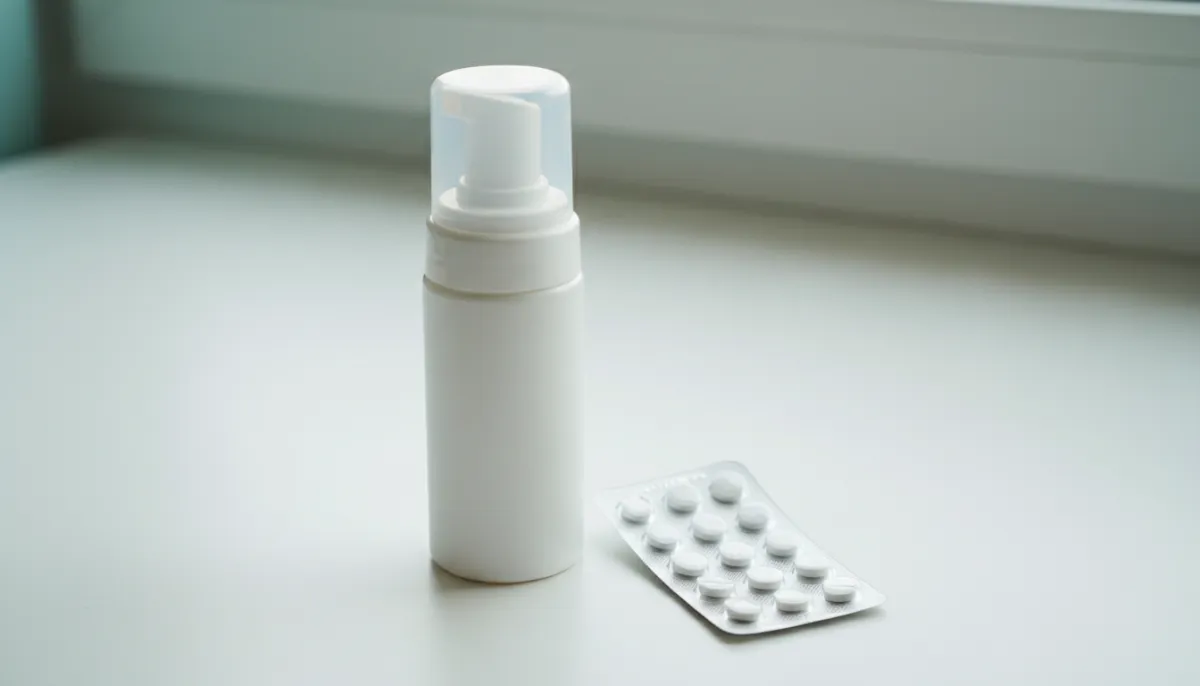
Several FDA‑approved drugs dominate the market for treating hair loss. Below is a quick overview of the most widely used options, their typical applications, and key points to consider.
| Medication | Formulation | Primary Use | Typical Dosage |
|---|---|---|---|
| Minoxidil (Rogaine) | Topical solution or foam | Early‑stage thinning, both men and women | 2 mL twice daily (solution) or 1 mL twice daily (foam) |
| Finasteride | Oral tablet | Male‑pattern baldness (androgenic alopecia) | 1 mg daily |
| Dutasteride | Oral capsule | Advanced androgenic alopecia, off‑label use | 0.5 mg daily |
| Spironolactone | Oral tablet | Female pattern hair loss, hormonal imbalance | 50–100 mg daily |
| Platelet‑Rich Plasma (PRP) | Injectable | Adjunct to medication, stimulates growth factors | Series of 3‑4 sessions, 4‑6 weeks apart |
For men, minoxidil for men is often combined with finasteride to achieve synergistic effects—minoxidil maintains existing hair while finasteride prevents further follicular miniaturization. Women typically start with minoxidil for women or spironolactone if hormonal factors are identified.
It’s important to note that “rogaine” is simply a brand name for minoxidil, and the active ingredient remains the same regardless of packaging. When selecting a product, consider formulation preferences (foam vs solution) and any sensitivities to alcohol or propylene glycol, common excipients in liquid forms.
Potential Side Effects and Safety Considerations
While hair fall medication can be highly effective, each drug carries a profile of possible side effects that patients should understand before beginning treatment. Awareness helps you weigh benefits against risks and discuss any concerns with a qualified dermatologist or hair restoration specialist.
Topical Minoxidil
- Scalp irritation, itching, or redness.
- Unwanted facial hair growth if applied beyond the scalp.
- Temporary shedding during the first 2–4 weeks as weaker hairs are replaced.
Oral Finasteride and Dutasteride
- Decreased libido, erectile dysfunction, or ejaculatory issues (rare, often reversible).
- Potential mood changes or depression in a small subset of users.
- Women who are pregnant or may become pregnant must avoid handling crushed tablets due to teratogenic risk.
Spironolactone
- Hyperkalemia (elevated potassium) especially in patients with kidney issues.
- Dizziness or menstrual irregularities.
Before starting any medication, a thorough medical history and, when appropriate, blood work are recommended to rule out contraindications. Discuss any existing conditions—such as hypertension, thyroid disorders, or cardiovascular disease—as they can influence drug selection.
If side effects become intolerable, many clinicians suggest adjusting the dosage, switching formulations (e.g., from solution to foam for minoxidil), or combining a lower‑dose oral agent with a topical product to maintain efficacy while minimizing adverse reactions.
When Medication Is Not Enough: Exploring Surgical Options
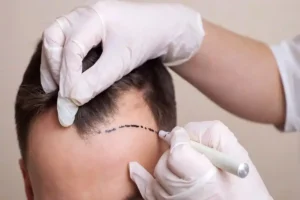
Even with diligent use of hair fall medication, some individuals experience progressive thinning that does not respond adequately. In such cases, surgical hair restoration can provide a permanent solution by relocating healthy follicles from a donor area to balding zones.
FUE (Follicular Unit Extraction)
FUE involves harvesting individual follicular units using a micro‑punch tool, leaving tiny dot‑like scars that are virtually invisible. This method is popular for its minimal downtime and suitability for patients who prefer short hairstyles.
DHI (Direct Hair Implantation)
DHI is a variation of FUE where extracted follicles are loaded into a specialized implanter pen and placed directly into the recipient site without prior channel creation. This can improve graft survival rates and allow for higher density placement.
When to Combine Medication and Transplant
- Use minoxidil post‑transplant to accelerate graft uptake.
- Continue finasteride to protect existing native hairs from future loss.
- Schedule the transplant after at least 6 months of stable medication results to assess the true extent of loss.
Gold City Hair specializes in both FUE and DHI techniques, offering personalized treatment plans that integrate medication protocols for optimal, long‑lasting outcomes.
Tips for Maximizing Results and Maintaining Healthy Hair
Medication and surgery are powerful tools, but long‑term success also depends on everyday habits that support scalp health and follicle vitality.
Nutrition and Supplements
- Consume foods rich in biotin, zinc, iron, and omega‑3 fatty acids.
- Consider a daily multivitamin formulated for hair growth if dietary intake is insufficient.
- Avoid crash diets that can trigger telogen effluvium (temporary shedding).
Scalp Care Routine
- Use a gentle, sulfate‑free shampoo to keep pores unclogged.
- Incorporate a weekly scalp massage to stimulate blood flow.
- Limit heat styling and harsh chemical treatments that can weaken shafts.
Lifestyle Factors
- Manage stress through meditation, exercise, or counseling—stress can exacerbate shedding.
- Quit smoking; nicotine reduces microcirculation to the scalp.
- Ensure adequate sleep, as growth hormone peaks during deep sleep phases.
By pairing evidence‑based medication with these supportive practices, you create a holistic environment that encourages robust, lasting hair growth.
Why Choose Gold City Hair for Your Hair Restoration Journey
Gold City Hair has been delivering personalized hair restoration solutions in Turkey since 2017. Our clinic combines state‑of‑the‑art FUE and DHI techniques with a clear, transparent communication style, ensuring every patient understands their treatment roadmap. Our experienced medical team tailors medication protocols—whether it’s minoxidil, finasteride, or a combination—based on individual scalp assessments and lifestyle factors. Trust in a clinic that prioritizes safety, results, and a supportive patient experience from the first consultation through post‑procedure care.
Ready to take control of your hair health? Contact Gold City Hair today to schedule a personalized consultation and discover the most effective medication plan or surgical option for you.
Experience renewed confidence with expert care—your journey to fuller hair starts now.
FAQ
How do hair fall medications work?
They either stimulate blood flow to the scalp or block hormones that shrink hair follicles, prolonging the growth phase.
What are the most common hair fall medications?
The most widely used are minoxidil, finasteride, dutasteride, spironolactone, and platelet‑rich plasma (PRP) injections.
What side effects can I expect from minoxidil and finasteride?
Minoxidil may cause scalp irritation or temporary shedding; finasteride can lead to rare sexual or mood changes and must be avoided by pregnant women.
When should I consider a hair transplant instead of medication?
If hair loss continues to progress despite 6‑12 months of consistent medication, a surgical option like FUE or DHI may be appropriate.
How can I combine medication with a hair transplant for best results?
Continue minoxidil after surgery to boost graft uptake and keep finasteride to protect existing hairs, following a post‑operative care plan.
Are there natural supplements that support hair medication effectiveness?
Biotin, zinc, iron, omega‑3 fatty acids, and specialized hair‑growth multivitamins can complement medical treatments.
How long does it take to see results from hair fall medication?
Visible improvement typically appears after 3‑6 months of consistent use, though full benefits may require up to a year.